

GIVE THE PERFECT GIFT
Erin Mills Town Centre Gift Cards are the perfect choice for your gift giving needs.Purchase gift cards at kiosks near the food court or centre court, at Guest Services, or click below to purchase online.PURCHASE HEREHome
Captives and Companions: A History of Slavery and the Slave Trade in the Islamic World
Indigo
Loading Inventory...
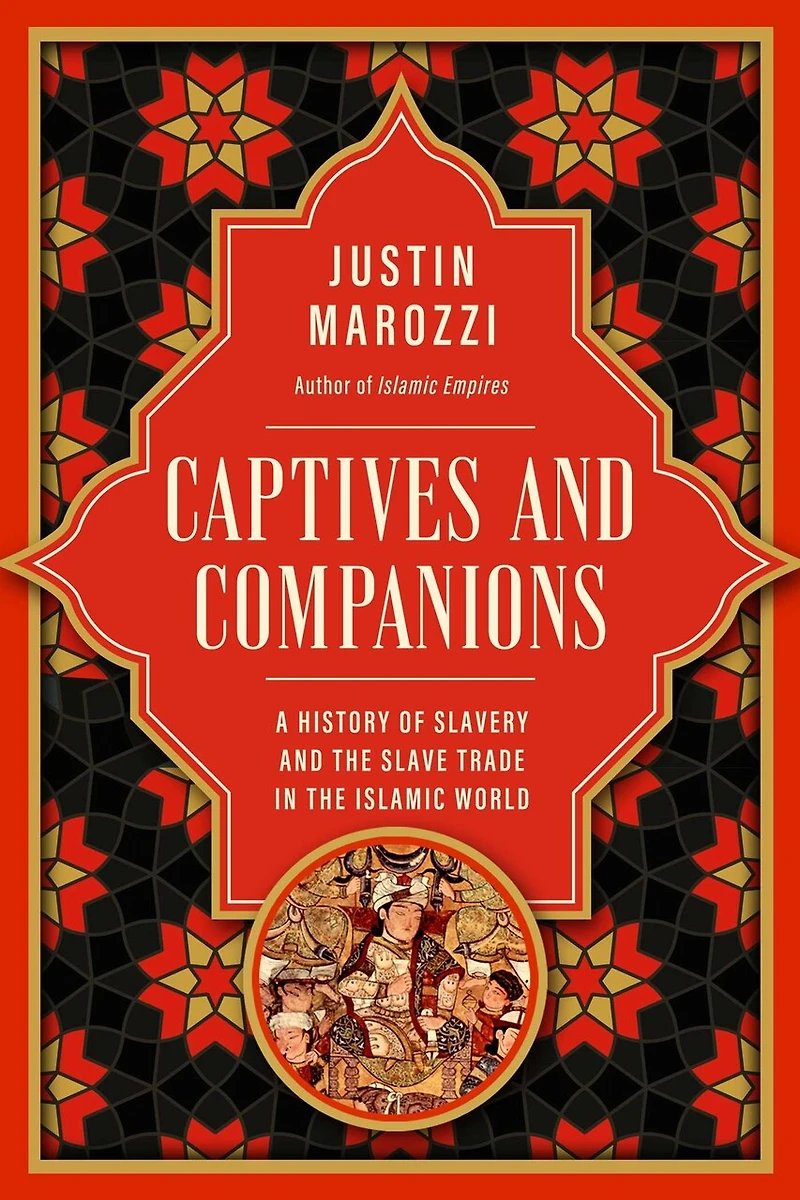
Captives and Companions: A History of Slavery and the Slave Trade in the Islamic World
Current price: $45.50

Captives and Companions: A History of Slavery and the Slave Trade in the Islamic World
Current price: $45.50
Loading Inventory...
Size: Hardcover
*Product information may vary - to confirm product availability, pricing, shipping and return information please contact Indigo
The definitive history of the slave trade in the Islamic world--a story that has been overshadowed by its notorious, but shorter-lived, Atlantic counterpart. Slavery in the Islamic world has a long, complex, and controversial history. In the earliest days of Islam, Arab Muslims enslaved men, women and children as the spoils of war. In the following centuries, young boys were imported to imperial Islamic courts in enormous numbers. Some were castrated to serve as eunuch guardians of sacred spaces, from the imperial harem of Istanbul to the Prophet's Mosque in Medina. Others were "harvested" by the Ottomans to serve as Janissaries, the sultan's elite infantry unit. Some even rose to the highest levels of political and military command, making a mockery of their slave status. For wom leading concubines became powerful figures in their own right. In the ninth-century Golden Age of Baghdad, the most beautiful and accomplished courtesans were among the richest, most celebrated figures of their day. In the twentieth century, more than a thousand years later, their cosmopolitan counterparts were still entertaining Ottoman sultans. Yet it was Africa which bore the brunt of the Islamic world's insatiable demand for slave labour. Slavers plied its Mediterranean, Atlantic and Indian Ocean coasts, traders raided inland for human cargo, and millions of enslaved Africans trudged across the Sahara into captivity. Meanwhile, North African corsairs turned the Mediterranean into a slaving free-for-all between Muslims, Christians and Jews. The sheer longevity of slavery was no less surprising. Arab Muslims adapted and regulated this practice within an Islamic context. Sanctioned by the Prophet Mohammed, legitimated by the Quran and holy law, slavery endured for fifteen centuries. Abolition had few champions and came late in the day--hereditary slavery continues even today in Mali and Mauritania. Captives and Companions takes the reader on an extraordinary historical journey across deserts, continents and oceans, from Baghdad to Bamako, Tripoli to Timbuktu, Istanbul to the Black Sea, and reveals a hidden but vital chapter in our understanding of world civilization.
The definitive history of the slave trade in the Islamic world--a story that has been overshadowed by its notorious, but shorter-lived, Atlantic counterpart. Slavery in the Islamic world has a long, complex, and controversial history. In the earliest days of Islam, Arab Muslims enslaved men, women and children as the spoils of war. In the following centuries, young boys were imported to imperial Islamic courts in enormous numbers. Some were castrated to serve as eunuch guardians of sacred spaces, from the imperial harem of Istanbul to the Prophet's Mosque in Medina. Others were "harvested" by the Ottomans to serve as Janissaries, the sultan's elite infantry unit. Some even rose to the highest levels of political and military command, making a mockery of their slave status. For wom leading concubines became powerful figures in their own right. In the ninth-century Golden Age of Baghdad, the most beautiful and accomplished courtesans were among the richest, most celebrated figures of their day. In the twentieth century, more than a thousand years later, their cosmopolitan counterparts were still entertaining Ottoman sultans. Yet it was Africa which bore the brunt of the Islamic world's insatiable demand for slave labour. Slavers plied its Mediterranean, Atlantic and Indian Ocean coasts, traders raided inland for human cargo, and millions of enslaved Africans trudged across the Sahara into captivity. Meanwhile, North African corsairs turned the Mediterranean into a slaving free-for-all between Muslims, Christians and Jews. The sheer longevity of slavery was no less surprising. Arab Muslims adapted and regulated this practice within an Islamic context. Sanctioned by the Prophet Mohammed, legitimated by the Quran and holy law, slavery endured for fifteen centuries. Abolition had few champions and came late in the day--hereditary slavery continues even today in Mali and Mauritania. Captives and Companions takes the reader on an extraordinary historical journey across deserts, continents and oceans, from Baghdad to Bamako, Tripoli to Timbuktu, Istanbul to the Black Sea, and reveals a hidden but vital chapter in our understanding of world civilization.
You May Also Like







More About Indigo at Erin Mills Town Centre
The largest book retailer in Canada also offers toys, music, home décor, gifts and lifestyle products. What's Inside...Books, Magazines, CD’s and DVD’s, Toys and Gifts, Home Accents, Electronics, Baby’s and Children’s Section, Bath and Body, Kitchen and Bedroom, Stationary Located outside in the exterior plaza.
5015 Glen Erin Dr, Mississauga, ON L5M 0R7, Canada
Find Indigo at Erin Mills Town Centre in Mississauga ON
Visit Indigo at Erin Mills Town Centre in Mississauga ON