

GIVE THE PERFECT GIFT
Erin Mills Town Centre Gift Cards are the perfect choice for your gift giving needs.Purchase gift cards at kiosks near the food court or centre court, at Guest Services, or click below to purchase online.PURCHASE HEREHome
Carbon-Based Nanomaterials for (Bio)Sensors Development
Indigo
Loading Inventory...
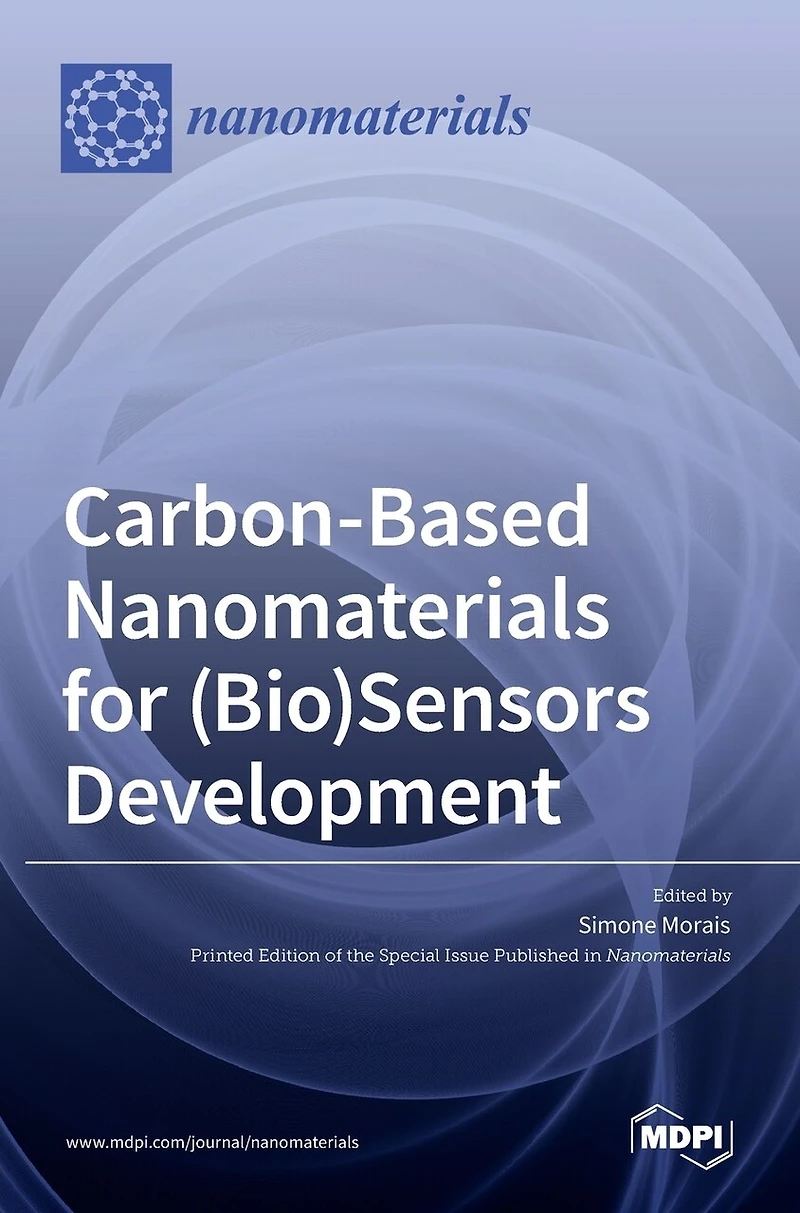
Carbon-Based Nanomaterials for (Bio)Sensors Development
Current price: $83.50

Carbon-Based Nanomaterials for (Bio)Sensors Development
Current price: $83.50
Loading Inventory...
Size: Hardcover
*Product information may vary - to confirm product availability, pricing, shipping and return information please contact Indigo
Carbon-based nanomaterials have been increasingly used in sensors and biosensors design due to their advantageous intrinsic properties, which include, but are not limited to, high electrical and thermal conductivity, chemical stability, optical properties, large specific surface, biocompatibility, and easy functionalization. The most commonly applied carbonaceous nanomaterials are carbon nanotubes (single- or multi-walled nanotubes) and graphene, but promising data have been also reported for (bio)sensors based on carbon quantum dots and nanocomposites, among others. The incorporation of carbon-based nanomaterials, independent of the detection scheme and developed platform type (optical, chemical, and biological, etc.), has a major beneficial effect on the (bio)sensor sensitivity, specificity, and overall performance. As a consequence, carbon-based nanomaterials have been promoting a revolution in the field of (bio)sensors with the development of increasingly sensitive devices. This Special Issue presents original research data and review articles that focus on (experimental or theoretical) advances, challenges, and outlooks concerning the preparation, characterization, and application of carbon-based nanomaterials for (bio)sensor development.
Carbon-based nanomaterials have been increasingly used in sensors and biosensors design due to their advantageous intrinsic properties, which include, but are not limited to, high electrical and thermal conductivity, chemical stability, optical properties, large specific surface, biocompatibility, and easy functionalization. The most commonly applied carbonaceous nanomaterials are carbon nanotubes (single- or multi-walled nanotubes) and graphene, but promising data have been also reported for (bio)sensors based on carbon quantum dots and nanocomposites, among others. The incorporation of carbon-based nanomaterials, independent of the detection scheme and developed platform type (optical, chemical, and biological, etc.), has a major beneficial effect on the (bio)sensor sensitivity, specificity, and overall performance. As a consequence, carbon-based nanomaterials have been promoting a revolution in the field of (bio)sensors with the development of increasingly sensitive devices. This Special Issue presents original research data and review articles that focus on (experimental or theoretical) advances, challenges, and outlooks concerning the preparation, characterization, and application of carbon-based nanomaterials for (bio)sensor development.
You May Also Like













More About Indigo at Erin Mills Town Centre
The largest book retailer in Canada also offers toys, music, home décor, gifts and lifestyle products. What's Inside...Books, Magazines, CD’s and DVD’s, Toys and Gifts, Home Accents, Electronics, Baby’s and Children’s Section, Bath and Body, Kitchen and Bedroom, Stationary Located outside in the exterior plaza.
5015 Glen Erin Dr, Mississauga, ON L5M 0R7, Canada
Find Indigo at Erin Mills Town Centre in Mississauga ON
Visit Indigo at Erin Mills Town Centre in Mississauga ON