

GIVE THE PERFECT GIFT
Erin Mills Town Centre Gift Cards are the perfect choice for your gift giving needs.Purchase gift cards at kiosks near the food court or centre court, at Guest Services, or click below to purchase online.PURCHASE HEREHome
Cardiovascular Diseases: Molecular Basis and Clinical Implications
Indigo
Loading Inventory...
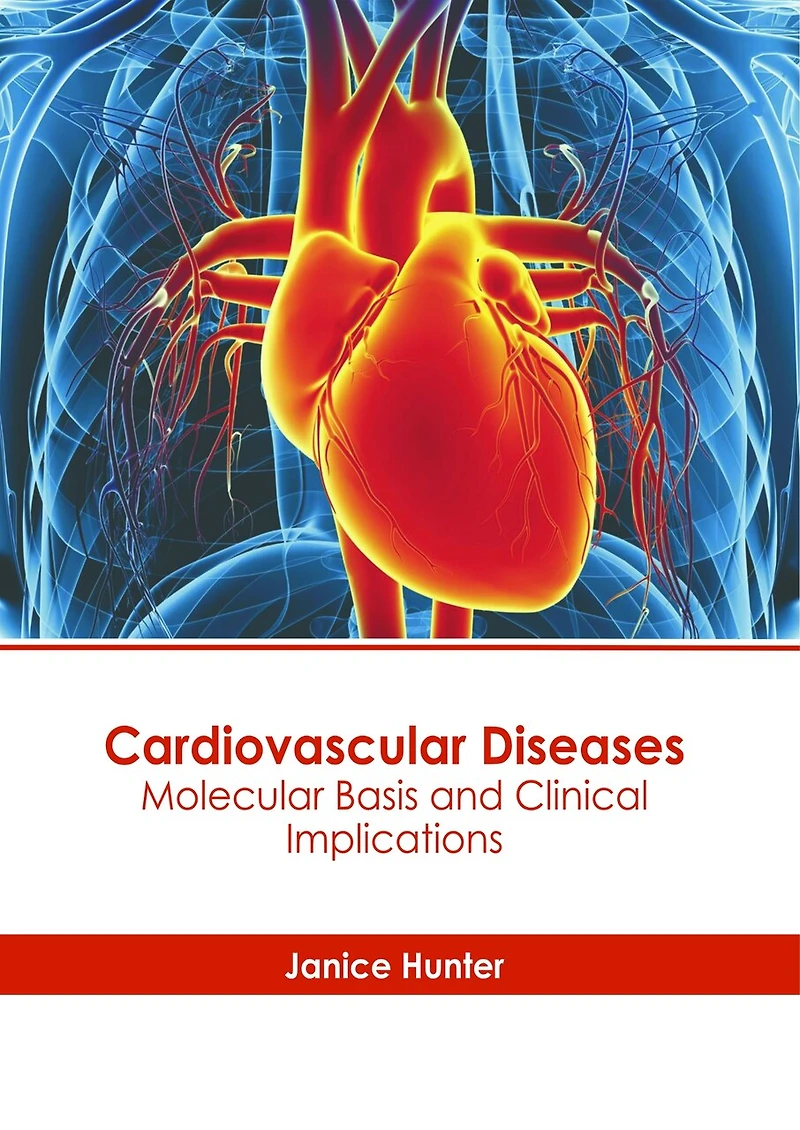
Cardiovascular Diseases: Molecular Basis and Clinical Implications
Current price: $208.00

Cardiovascular Diseases: Molecular Basis and Clinical Implications
Current price: $208.00
Loading Inventory...
Size: Hardcover
*Product information may vary - to confirm product availability, pricing, shipping and return information please contact Indigo
Cardiovascular Diseases (CVDs) are a group of disorders that affect the heart’s function. There are various types of cardiovascular diseases, including heart failure, congenital heart disease, peripheral artery disease, aortic disease, deep vein thrombosis (DVT), coronary artery disease, valve disease, arrhythmia, and aortic disease. Most CVDs are a result of abnormalities in multiple pathobiological pathways instead of a single molecular effector. Some common symptoms of cardiovascular diseases include chest pain, shortness of breath, fatigue, dizziness, sweating, and palpitations. Some common tests used for diagnosing cardiovascular diseases include stress tests, electrocardiogram (ECG), ambulatory monitoring, blood tests, cardiac CT, echocardiogram, and cardiac MRI. The treatment of cardiovascular disease is based on the symptoms and the type of condition. It may include lifestyle changes, medications, surgeries, and minimally invasive surgery. Cardiac rehabilitation is also a treatment option that helps the heart regain strength. This book outlines the molecular basis and clinical implications of cardiovascular diseases in detail. It will greatly assist researchers and students in the field of cardiology.
Cardiovascular Diseases (CVDs) are a group of disorders that affect the heart’s function. There are various types of cardiovascular diseases, including heart failure, congenital heart disease, peripheral artery disease, aortic disease, deep vein thrombosis (DVT), coronary artery disease, valve disease, arrhythmia, and aortic disease. Most CVDs are a result of abnormalities in multiple pathobiological pathways instead of a single molecular effector. Some common symptoms of cardiovascular diseases include chest pain, shortness of breath, fatigue, dizziness, sweating, and palpitations. Some common tests used for diagnosing cardiovascular diseases include stress tests, electrocardiogram (ECG), ambulatory monitoring, blood tests, cardiac CT, echocardiogram, and cardiac MRI. The treatment of cardiovascular disease is based on the symptoms and the type of condition. It may include lifestyle changes, medications, surgeries, and minimally invasive surgery. Cardiac rehabilitation is also a treatment option that helps the heart regain strength. This book outlines the molecular basis and clinical implications of cardiovascular diseases in detail. It will greatly assist researchers and students in the field of cardiology.
You May Also Like









More About Indigo at Erin Mills Town Centre
The largest book retailer in Canada also offers toys, music, home décor, gifts and lifestyle products. What's Inside...Books, Magazines, CD’s and DVD’s, Toys and Gifts, Home Accents, Electronics, Baby’s and Children’s Section, Bath and Body, Kitchen and Bedroom, Stationary Located outside in the exterior plaza.
5015 Glen Erin Dr, Mississauga, ON L5M 0R7, Canada
Find Indigo at Erin Mills Town Centre in Mississauga ON
Visit Indigo at Erin Mills Town Centre in Mississauga ON