

GIVE THE PERFECT GIFT
Erin Mills Town Centre Gift Cards are the perfect choice for your gift giving needs.Purchase gift cards at kiosks near the food court or centre court, at Guest Services, or click below to purchase online.PURCHASE HEREHome
Caribbean Literature in Transition, 1800–1920: Volume 1
Indigo
Loading Inventory...
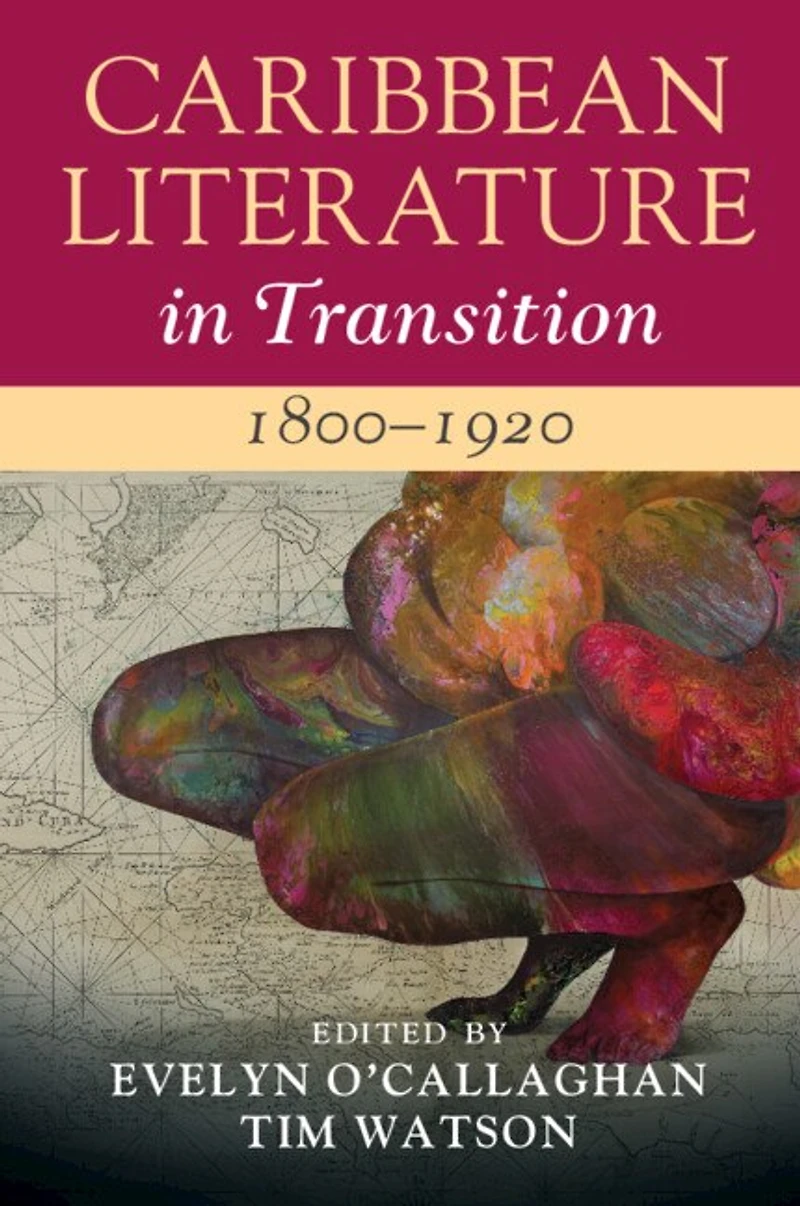
Caribbean Literature in Transition, 1800–1920: Volume 1
Current price: $166.11

Caribbean Literature in Transition, 1800–1920: Volume 1
Current price: $166.11
Loading Inventory...
Size: Hardcover
*Product information may vary - to confirm product availability, pricing, shipping and return information please contact Indigo
This volume examines what Caribbean literature looked like before 1920 by surveying the print culture of the period. The emphasis is on narrative, including an enormous range of genres, in varying venues, and in multiple languages of the Caribbean. Essays examine lesser-known authors and writing previously marginalized as nonliterary: popular writing in newspapers and pamphlets; fiction and poetry such as romances, sentimental novels, and ballads; non-elite memoirs and letters, such as the narratives of the enslaved or the working classes, especially women. Many contributions are comparative, multilingual, and regional. Some infer the cultural presence of subaltern groups within the texts of the dominant classes. Almost all of the chapters move easily between time periods, linking texts, writers, and literary movements in ways that expand traditional notions of literary influence and canon formation. Using literary, cultural, and historical analyses, this book provides a complete re-examination of early Caribbean literature.
This volume examines what Caribbean literature looked like before 1920 by surveying the print culture of the period. The emphasis is on narrative, including an enormous range of genres, in varying venues, and in multiple languages of the Caribbean. Essays examine lesser-known authors and writing previously marginalized as nonliterary: popular writing in newspapers and pamphlets; fiction and poetry such as romances, sentimental novels, and ballads; non-elite memoirs and letters, such as the narratives of the enslaved or the working classes, especially women. Many contributions are comparative, multilingual, and regional. Some infer the cultural presence of subaltern groups within the texts of the dominant classes. Almost all of the chapters move easily between time periods, linking texts, writers, and literary movements in ways that expand traditional notions of literary influence and canon formation. Using literary, cultural, and historical analyses, this book provides a complete re-examination of early Caribbean literature.
You May Also Like








More About Indigo at Erin Mills Town Centre
The largest book retailer in Canada also offers toys, music, home décor, gifts and lifestyle products. What's Inside...Books, Magazines, CD’s and DVD’s, Toys and Gifts, Home Accents, Electronics, Baby’s and Children’s Section, Bath and Body, Kitchen and Bedroom, Stationary Located outside in the exterior plaza.
5015 Glen Erin Dr, Mississauga, ON L5M 0R7, Canada
Find Indigo at Erin Mills Town Centre in Mississauga ON
Visit Indigo at Erin Mills Town Centre in Mississauga ON