

GIVE THE PERFECT GIFT
Erin Mills Town Centre Gift Cards are the perfect choice for your gift giving needs.Purchase gift cards at kiosks near the food court or centre court, at Guest Services, or click below to purchase online.PURCHASE HEREHome
Carl Schmitt: State And Society
Indigo
Loading Inventory...
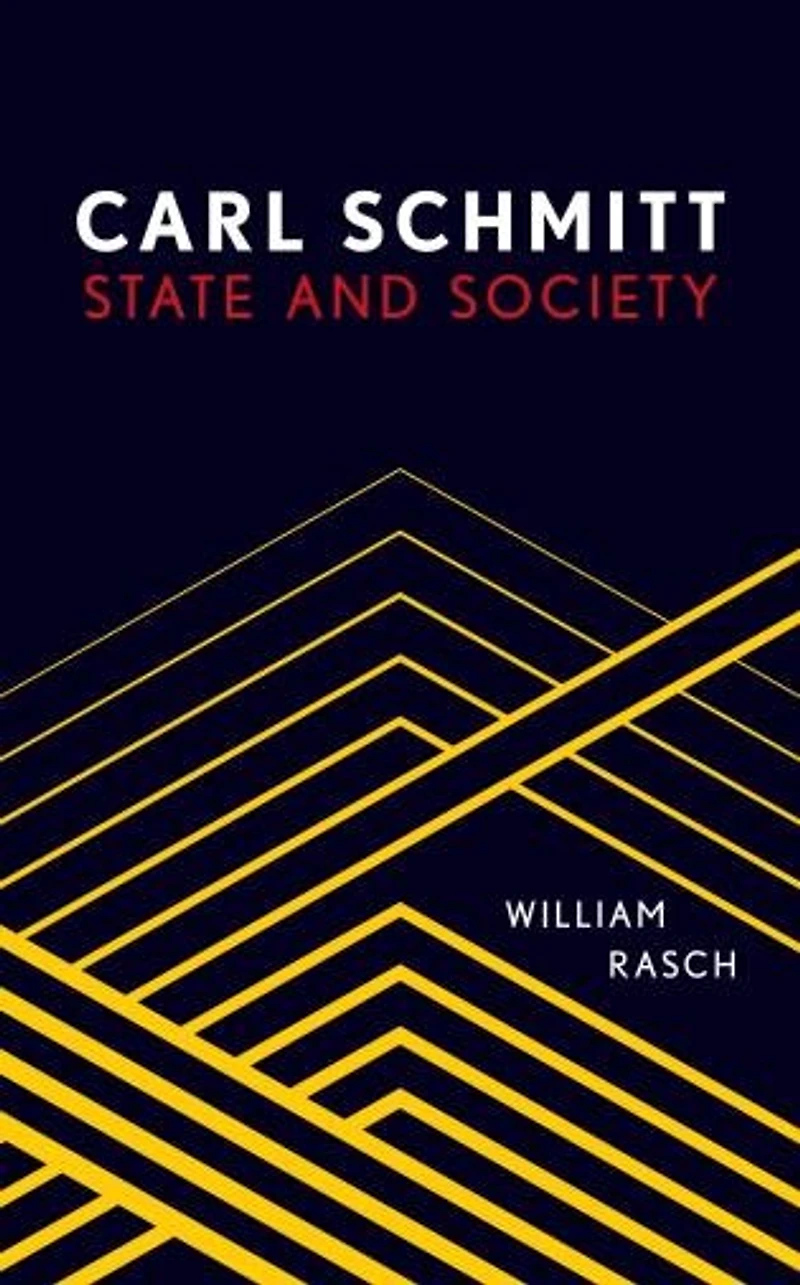
Carl Schmitt: State And Society
Current price: $219.50

Carl Schmitt: State And Society
Current price: $219.50
Loading Inventory...
Size: Hardcover
*Product information may vary - to confirm product availability, pricing, shipping and return information please contact Indigo
This important new book places Carl Schmitt's critique of liberal political theory in a broader historical context than is usually done. His belief in the centrality of the European state since the seventeenth century derives from various sources, including medieval (Scholastic) theology and nineteenth century (post-Hegelian) social and political theory. Schmitt's famed 'political theology' aims at justifying the necessity of a strong secular state as the safeguard of a political community against the encroachment of legally protected interest groups that shield themselves behind pre-political rights. William Rasch neither condemns nor champions Schmitt's various attacks on liberalism, but does insist that the tension between 'society' as the realm of individual rights to pursue private pleasures and the 'state' as the placeholder for something traditionally called the common good is a conundrum that is as important now as it was during the Weimar era in Germany. Reappraisal of some of the pillars of liberal dogma are as much in order as are fears of their demise.
This important new book places Carl Schmitt's critique of liberal political theory in a broader historical context than is usually done. His belief in the centrality of the European state since the seventeenth century derives from various sources, including medieval (Scholastic) theology and nineteenth century (post-Hegelian) social and political theory. Schmitt's famed 'political theology' aims at justifying the necessity of a strong secular state as the safeguard of a political community against the encroachment of legally protected interest groups that shield themselves behind pre-political rights. William Rasch neither condemns nor champions Schmitt's various attacks on liberalism, but does insist that the tension between 'society' as the realm of individual rights to pursue private pleasures and the 'state' as the placeholder for something traditionally called the common good is a conundrum that is as important now as it was during the Weimar era in Germany. Reappraisal of some of the pillars of liberal dogma are as much in order as are fears of their demise.
You May Also Like










More About Indigo at Erin Mills Town Centre
The largest book retailer in Canada also offers toys, music, home décor, gifts and lifestyle products. What's Inside...Books, Magazines, CD’s and DVD’s, Toys and Gifts, Home Accents, Electronics, Baby’s and Children’s Section, Bath and Body, Kitchen and Bedroom, Stationary Located outside in the exterior plaza.
5015 Glen Erin Dr, Mississauga, ON L5M 0R7, Canada
Find Indigo at Erin Mills Town Centre in Mississauga ON
Visit Indigo at Erin Mills Town Centre in Mississauga ON