

GIVE THE PERFECT GIFT
Erin Mills Town Centre Gift Cards are the perfect choice for your gift giving needs.Purchase gift cards at kiosks near the food court or centre court, at Guest Services, or click below to purchase online.PURCHASE HEREHome
Carrier Pilot: Uss Hornet Cv-12 1944
Indigo
Loading Inventory...
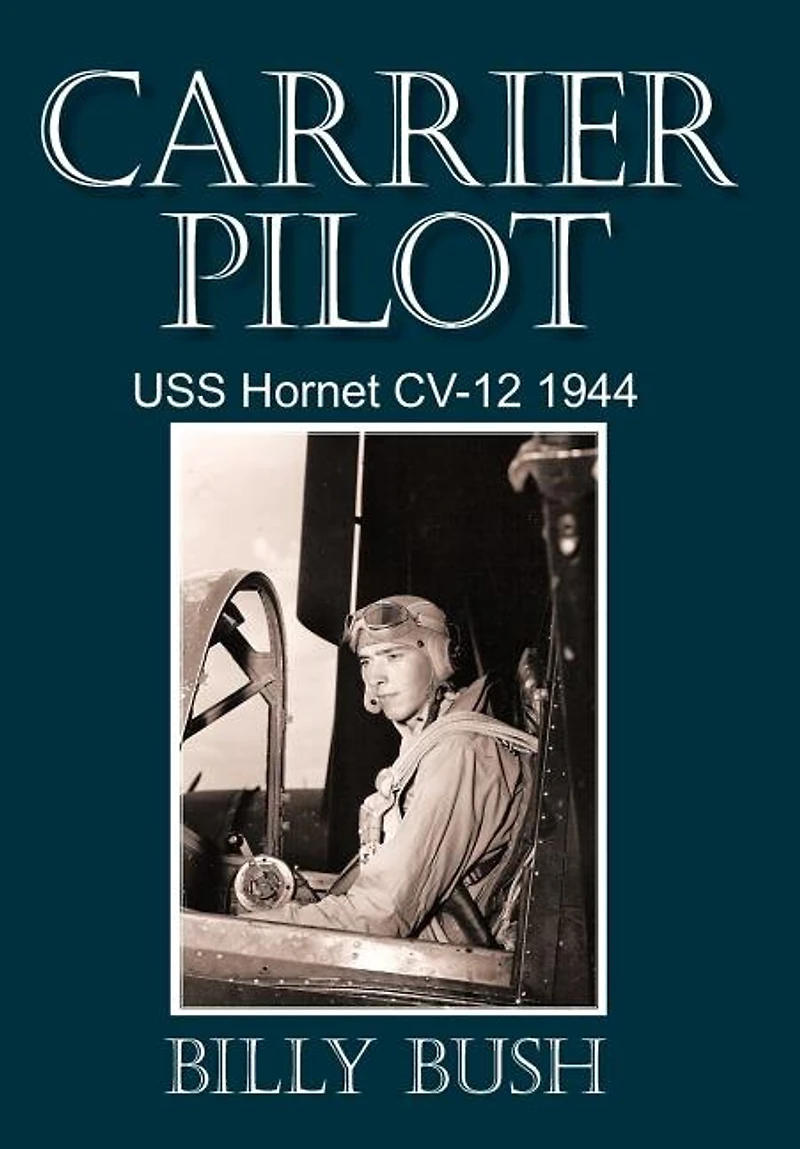
Carrier Pilot: Uss Hornet Cv-12 1944
Current price: $30.45

Carrier Pilot: Uss Hornet Cv-12 1944
Current price: $30.45
Loading Inventory...
Size: Hardcover
*Product information may vary - to confirm product availability, pricing, shipping and return information please contact Indigo
It was June 20, 1944, 1900 hours (7:00 PM), in a tropical sky, 450 nautical miles northwest of Guam. We were at 16,000 feet. In the cockpit, the sun was still shining brilliantly. On the surface, daylight was turning to dusk, and the large Japanese carrier, Zuikaku, was maneuvering frantically at flank speed in anticipation of the forthcoming attack. We would have preferred to be at 18,000 feet or higher to reduce further the danger of the intense antiaircraft fire we were encountering, but we were at the absolute maximum limit of our aircraft's range. If we were to return to our ship, USS Hornet CV-12, after the attack, it was necessary to conserve fuel by approaching and attacking our target from the lesser altitude. In a moment, we would be rolling into our dives, and attacking the most important target we would ever encounter. Every Navy dive bomber pilot dreamed of this moment. It was the moment I had visualized, and anticipated since I was sworn in as an Aviation Cadet on that March day in 1942.
It was June 20, 1944, 1900 hours (7:00 PM), in a tropical sky, 450 nautical miles northwest of Guam. We were at 16,000 feet. In the cockpit, the sun was still shining brilliantly. On the surface, daylight was turning to dusk, and the large Japanese carrier, Zuikaku, was maneuvering frantically at flank speed in anticipation of the forthcoming attack. We would have preferred to be at 18,000 feet or higher to reduce further the danger of the intense antiaircraft fire we were encountering, but we were at the absolute maximum limit of our aircraft's range. If we were to return to our ship, USS Hornet CV-12, after the attack, it was necessary to conserve fuel by approaching and attacking our target from the lesser altitude. In a moment, we would be rolling into our dives, and attacking the most important target we would ever encounter. Every Navy dive bomber pilot dreamed of this moment. It was the moment I had visualized, and anticipated since I was sworn in as an Aviation Cadet on that March day in 1942.
You May Also Like










More About Indigo at Erin Mills Town Centre
The largest book retailer in Canada also offers toys, music, home décor, gifts and lifestyle products. What's Inside...Books, Magazines, CD’s and DVD’s, Toys and Gifts, Home Accents, Electronics, Baby’s and Children’s Section, Bath and Body, Kitchen and Bedroom, Stationary Located outside in the exterior plaza.
5015 Glen Erin Dr, Mississauga, ON L5M 0R7, Canada
Find Indigo at Erin Mills Town Centre in Mississauga ON
Visit Indigo at Erin Mills Town Centre in Mississauga ON