

GIVE THE PERFECT GIFT
Erin Mills Town Centre Gift Cards are the perfect choice for your gift giving needs.Purchase gift cards at kiosks near the food court or centre court, at Guest Services, or click below to purchase online.PURCHASE HEREHome
Case Alternations in Five Finnic Languages: Estonian, Finnish, Karelian, Livonian and Veps
Indigo
Loading Inventory...
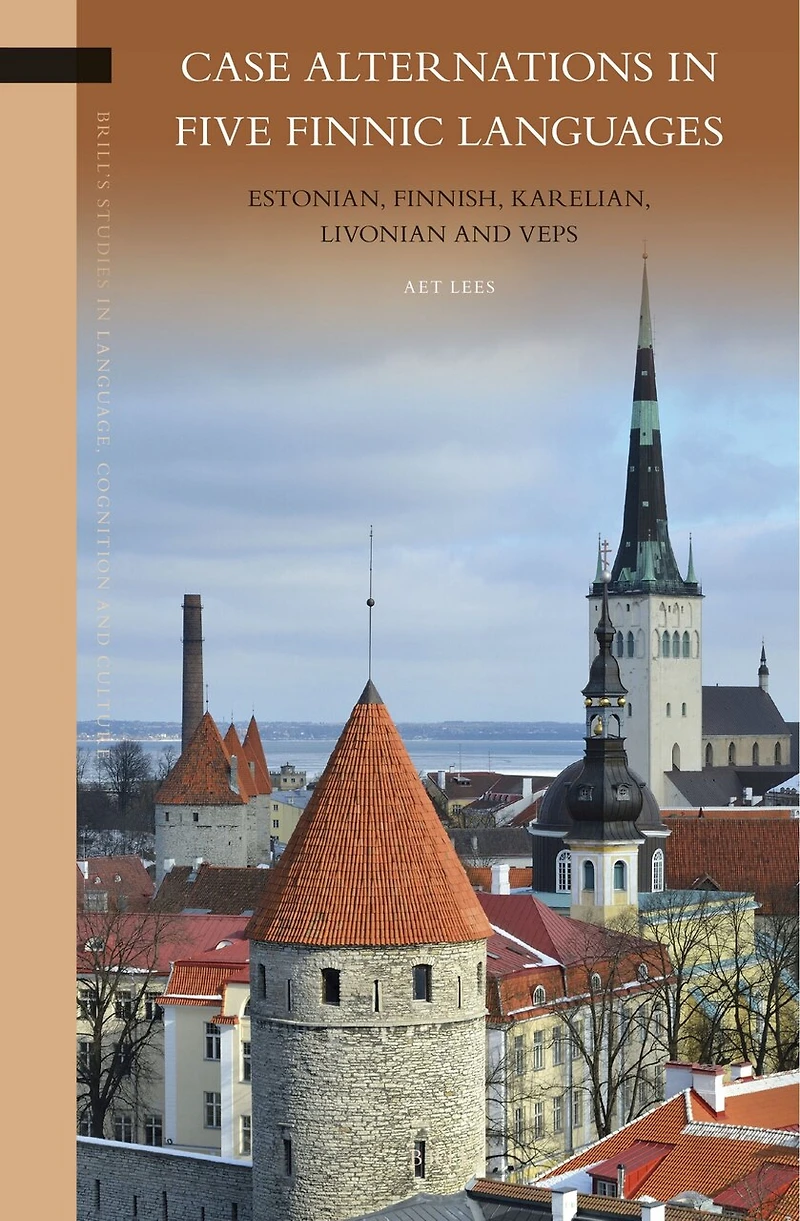
Case Alternations in Five Finnic Languages: Estonian, Finnish, Karelian, Livonian and Veps
Current price: $238.99

Case Alternations in Five Finnic Languages: Estonian, Finnish, Karelian, Livonian and Veps
Current price: $238.99
Loading Inventory...
Size: Hardcover
*Product information may vary - to confirm product availability, pricing, shipping and return information please contact Indigo
This corpus study presents a comparative quantitative analysis of the partitive-accusative alternation of object case in five Finnic languages, using Bible texts. Objects of finite, non-finite and impersonal verbs are discussed. It includes a comparison of the use of case in written old Estonian and Finnish, tracing changes through to modern times, with some historical data also from Karelian, Livonian and Veps. The nominative-partitive alternation of copula complements and subjects in existential clauses is also analysed synchronically and diachronically. The review of relevant literature, much of which is in Finnish or Estonian, and explanatory introductions in all sections, are especially useful for those starting to study Finno-Ugric languages, but also for typologists and historical linguists.
This corpus study presents a comparative quantitative analysis of the partitive-accusative alternation of object case in five Finnic languages, using Bible texts. Objects of finite, non-finite and impersonal verbs are discussed. It includes a comparison of the use of case in written old Estonian and Finnish, tracing changes through to modern times, with some historical data also from Karelian, Livonian and Veps. The nominative-partitive alternation of copula complements and subjects in existential clauses is also analysed synchronically and diachronically. The review of relevant literature, much of which is in Finnish or Estonian, and explanatory introductions in all sections, are especially useful for those starting to study Finno-Ugric languages, but also for typologists and historical linguists.
You May Also Like









More About Indigo at Erin Mills Town Centre
The largest book retailer in Canada also offers toys, music, home décor, gifts and lifestyle products. What's Inside...Books, Magazines, CD’s and DVD’s, Toys and Gifts, Home Accents, Electronics, Baby’s and Children’s Section, Bath and Body, Kitchen and Bedroom, Stationary Located outside in the exterior plaza.
5015 Glen Erin Dr, Mississauga, ON L5M 0R7, Canada
Find Indigo at Erin Mills Town Centre in Mississauga ON
Visit Indigo at Erin Mills Town Centre in Mississauga ON