

GIVE THE PERFECT GIFT
Erin Mills Town Centre Gift Cards are the perfect choice for your gift giving needs.Purchase gift cards at kiosks near the food court or centre court, at Guest Services, or click below to purchase online.PURCHASE HEREHome
Caste as Social Capital: The Complex Place of Caste in Indian Society
Indigo
Loading Inventory...
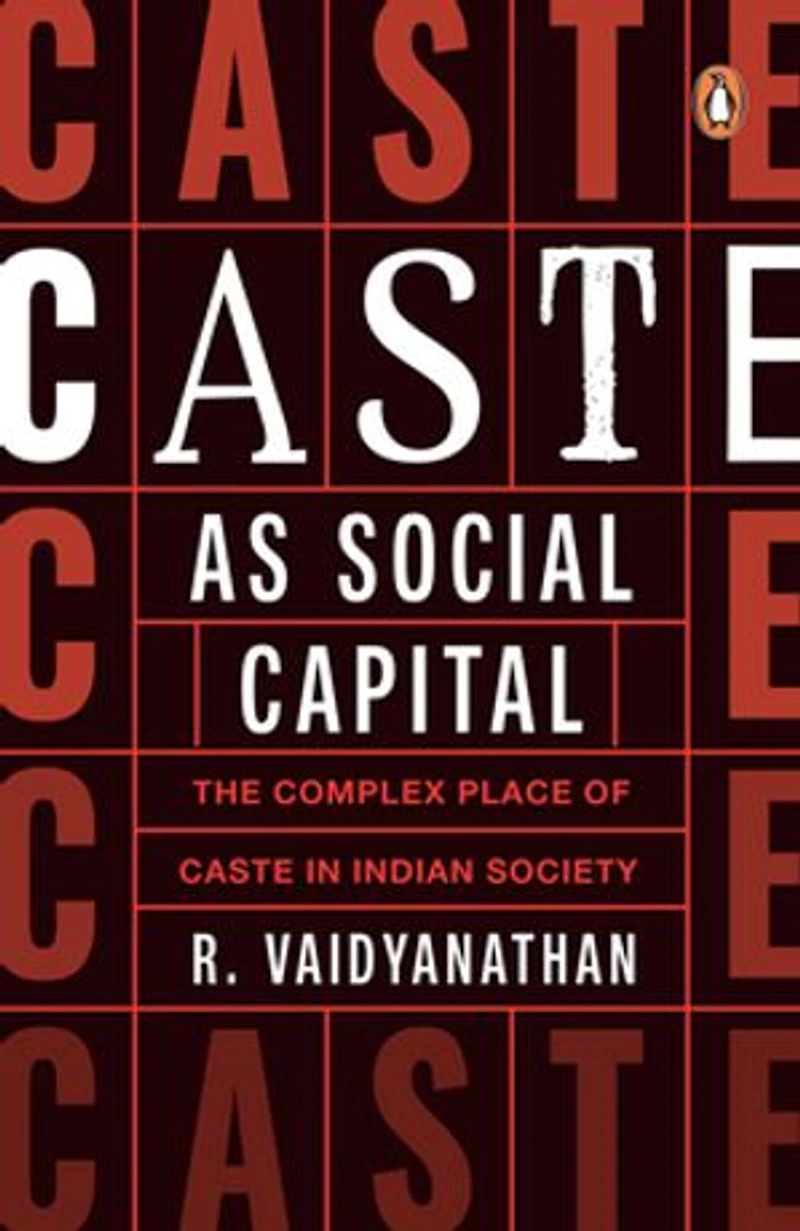
Caste as Social Capital: The Complex Place of Caste in Indian Society
Current price: $3.41

Caste as Social Capital: The Complex Place of Caste in Indian Society
Current price: $3.41
Loading Inventory...
Size: Kobo eBook
*Product information may vary - to confirm product availability, pricing, shipping and return information please contact Indigo
Many consider caste as an outdated institution, though it thrives in postliberalization India. That being the case, caste has only been studied from a religious, social and political angle. It is grudgingly accepted that caste has economic ramifications. For instance, the establishment and running of businesses tap into caste networks, both in terms of arranging finance and providing access to a ready workforce. Despite that, any study of this aspect has been limited to looking at caste groups in terms of their per capita income, their representation in various professions and other statistical details. Caste as Social Capital examines the workings of caste through the lens of business, economics and entrepreneurship. It interrogates the role caste plays in the economic sphere in terms of facilitating the nuts and bolts of business and entrepreneurship: finance, markets and workforce. Through this qualitative view of caste, an entirely new picture emerges, which forces one to view the ageold institution of caste in a new light.
Many consider caste as an outdated institution, though it thrives in postliberalization India. That being the case, caste has only been studied from a religious, social and political angle. It is grudgingly accepted that caste has economic ramifications. For instance, the establishment and running of businesses tap into caste networks, both in terms of arranging finance and providing access to a ready workforce. Despite that, any study of this aspect has been limited to looking at caste groups in terms of their per capita income, their representation in various professions and other statistical details. Caste as Social Capital examines the workings of caste through the lens of business, economics and entrepreneurship. It interrogates the role caste plays in the economic sphere in terms of facilitating the nuts and bolts of business and entrepreneurship: finance, markets and workforce. Through this qualitative view of caste, an entirely new picture emerges, which forces one to view the ageold institution of caste in a new light.
You May Also Like















More About Indigo at Erin Mills Town Centre
The largest book retailer in Canada also offers toys, music, home décor, gifts and lifestyle products. What's Inside...Books, Magazines, CD’s and DVD’s, Toys and Gifts, Home Accents, Electronics, Baby’s and Children’s Section, Bath and Body, Kitchen and Bedroom, Stationary Located outside in the exterior plaza.
5015 Glen Erin Dr, Mississauga, ON L5M 0R7, Canada
Find Indigo at Erin Mills Town Centre in Mississauga ON
Visit Indigo at Erin Mills Town Centre in Mississauga ON