

GIVE THE PERFECT GIFT
Erin Mills Town Centre Gift Cards are the perfect choice for your gift giving needs.Purchase gift cards at kiosks near the food court or centre court, at Guest Services, or click below to purchase online.PURCHASE HEREHome
Catalytic Improvement Communities: Cultivating Flourishing Schools
Indigo
Loading Inventory...
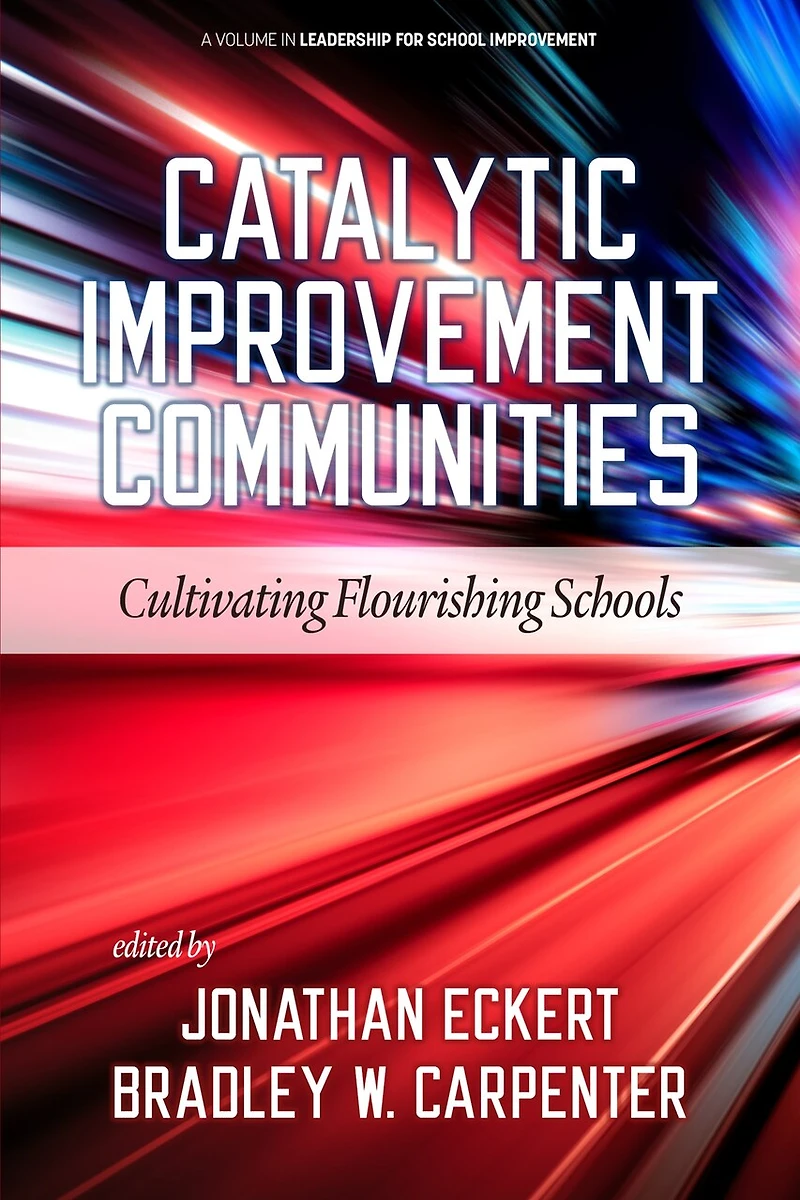
Catalytic Improvement Communities: Cultivating Flourishing Schools
Current price: $129.99

Catalytic Improvement Communities: Cultivating Flourishing Schools
Current price: $129.99
Loading Inventory...
Size: Hardcover
*Product information may vary - to confirm product availability, pricing, shipping and return information please contact Indigo
In chemistry, a catalyst accelerates change without being depleted. As we seek school improvement, we need sustainable, scalable changes, and therefore catalytic structures are ideal. From communities of practice to professional learning communities to Networked Improvement Communities (NICs) much has been made in the scholarly and consultancy literature about collaborative approaches to improvement.
The benefit of improvement communities that operate in networks over professional learning communities or isolated communities of practice is that they allow for broader experimentation, more rapid iteration, and greater possibility for scaling improvement. Educators have many tools and protocols to support the various approaches to improvement, evidenced by the many tools the Carnegie Foundation has developed for NICs alone. However, we need to understand how these are being used in a wide range of contexts and iterations.
This book answers three questions:
1) How can improvement communities act as catalysts?
2) How do improvement communities serve as discipline, creative inquiry?
3) Most importantly, how do improvement communities support flourishing individuals?
These three questions serve as the drivers of three sections with practical recommendations and insights for teachers, administrators, and policymakers that will lead to more sustainable leadership practices and thriving educators, students, and communities.
In chemistry, a catalyst accelerates change without being depleted. As we seek school improvement, we need sustainable, scalable changes, and therefore catalytic structures are ideal. From communities of practice to professional learning communities to Networked Improvement Communities (NICs) much has been made in the scholarly and consultancy literature about collaborative approaches to improvement.
The benefit of improvement communities that operate in networks over professional learning communities or isolated communities of practice is that they allow for broader experimentation, more rapid iteration, and greater possibility for scaling improvement. Educators have many tools and protocols to support the various approaches to improvement, evidenced by the many tools the Carnegie Foundation has developed for NICs alone. However, we need to understand how these are being used in a wide range of contexts and iterations.
This book answers three questions:
1) How can improvement communities act as catalysts?
2) How do improvement communities serve as discipline, creative inquiry?
3) Most importantly, how do improvement communities support flourishing individuals?
These three questions serve as the drivers of three sections with practical recommendations and insights for teachers, administrators, and policymakers that will lead to more sustainable leadership practices and thriving educators, students, and communities.
You May Also Like













More About Indigo at Erin Mills Town Centre
The largest book retailer in Canada also offers toys, music, home décor, gifts and lifestyle products. What's Inside...Books, Magazines, CD’s and DVD’s, Toys and Gifts, Home Accents, Electronics, Baby’s and Children’s Section, Bath and Body, Kitchen and Bedroom, Stationary Located outside in the exterior plaza.
5015 Glen Erin Dr, Mississauga, ON L5M 0R7, Canada
Find Indigo at Erin Mills Town Centre in Mississauga ON
Visit Indigo at Erin Mills Town Centre in Mississauga ON