

GIVE THE PERFECT GIFT
Erin Mills Town Centre Gift Cards are the perfect choice for your gift giving needs.Purchase gift cards at kiosks near the food court or centre court, at Guest Services, or click below to purchase online.PURCHASE HEREHome
Catholic Horror and Rhetorical Dialectics
Indigo
Loading Inventory...
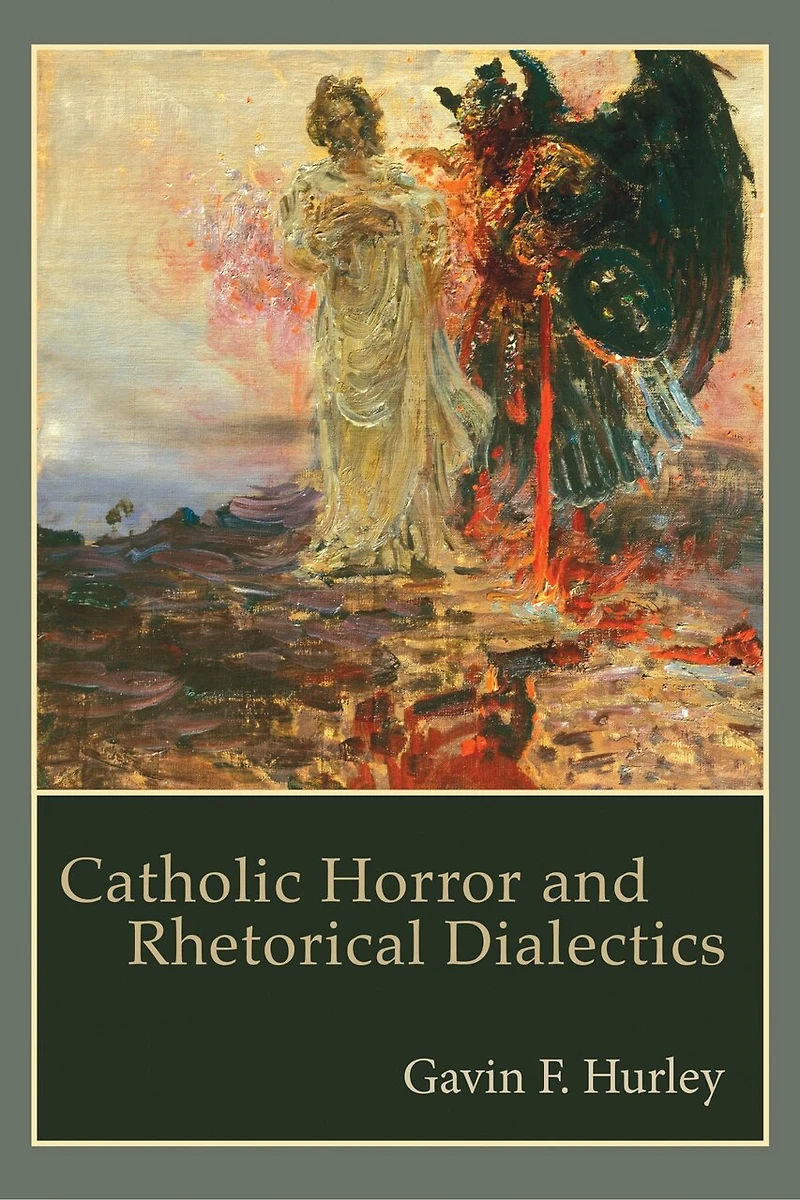
Catholic Horror and Rhetorical Dialectics
Current price: $160.95

Catholic Horror and Rhetorical Dialectics
Current price: $160.95
Loading Inventory...
Size: Hardcover
*Product information may vary - to confirm product availability, pricing, shipping and return information please contact Indigo
Identifying an important subgenre of horror literature, this book argues that Catholic horror fiction works distinctively to inspire the philosophical, theological, and spiritual imaginations of readers from all backgrounds and faith traditions. Hurley analyzes four novels that are foundational to the genre of Catholic horror: J.K. Huysmans's Là-Bas (1891), Robert Hugh Benson's The Light Invisible (1903) and A Mirror of Shalott (1907), and William Peter Blatty's The Exorcist (1971). Putting these texts in conversation with the classical liberal arts, the book shows how Catholic horror fiction coheres in a commitment to dialectical thinking that aims both to resolve-and to accommodate-contrasting world views. Given its use of this methodology, Catholic horror literature is uniquely positioned to draw readers into a contemplative mindset. In presenting ghost stories, tales of possession, and narratives about evil, Catholic horror invites audiences to confront and reflect on profound existential questions-questions about the line between life and death, the nature of being, and the meaning of reality.
Identifying an important subgenre of horror literature, this book argues that Catholic horror fiction works distinctively to inspire the philosophical, theological, and spiritual imaginations of readers from all backgrounds and faith traditions. Hurley analyzes four novels that are foundational to the genre of Catholic horror: J.K. Huysmans's Là-Bas (1891), Robert Hugh Benson's The Light Invisible (1903) and A Mirror of Shalott (1907), and William Peter Blatty's The Exorcist (1971). Putting these texts in conversation with the classical liberal arts, the book shows how Catholic horror fiction coheres in a commitment to dialectical thinking that aims both to resolve-and to accommodate-contrasting world views. Given its use of this methodology, Catholic horror literature is uniquely positioned to draw readers into a contemplative mindset. In presenting ghost stories, tales of possession, and narratives about evil, Catholic horror invites audiences to confront and reflect on profound existential questions-questions about the line between life and death, the nature of being, and the meaning of reality.
You May Also Like







More About Indigo at Erin Mills Town Centre
The largest book retailer in Canada also offers toys, music, home décor, gifts and lifestyle products. What's Inside...Books, Magazines, CD’s and DVD’s, Toys and Gifts, Home Accents, Electronics, Baby’s and Children’s Section, Bath and Body, Kitchen and Bedroom, Stationary Located outside in the exterior plaza.
5015 Glen Erin Dr, Mississauga, ON L5M 0R7, Canada
Find Indigo at Erin Mills Town Centre in Mississauga ON
Visit Indigo at Erin Mills Town Centre in Mississauga ON