

GIVE THE PERFECT GIFT
Erin Mills Town Centre Gift Cards are the perfect choice for your gift giving needs.Purchase gift cards at kiosks near the food court or centre court, at Guest Services, or click below to purchase online.PURCHASE HEREHome
Celestial Empire: The Emergence of Chinese Science Fiction
Indigo
Loading Inventory...
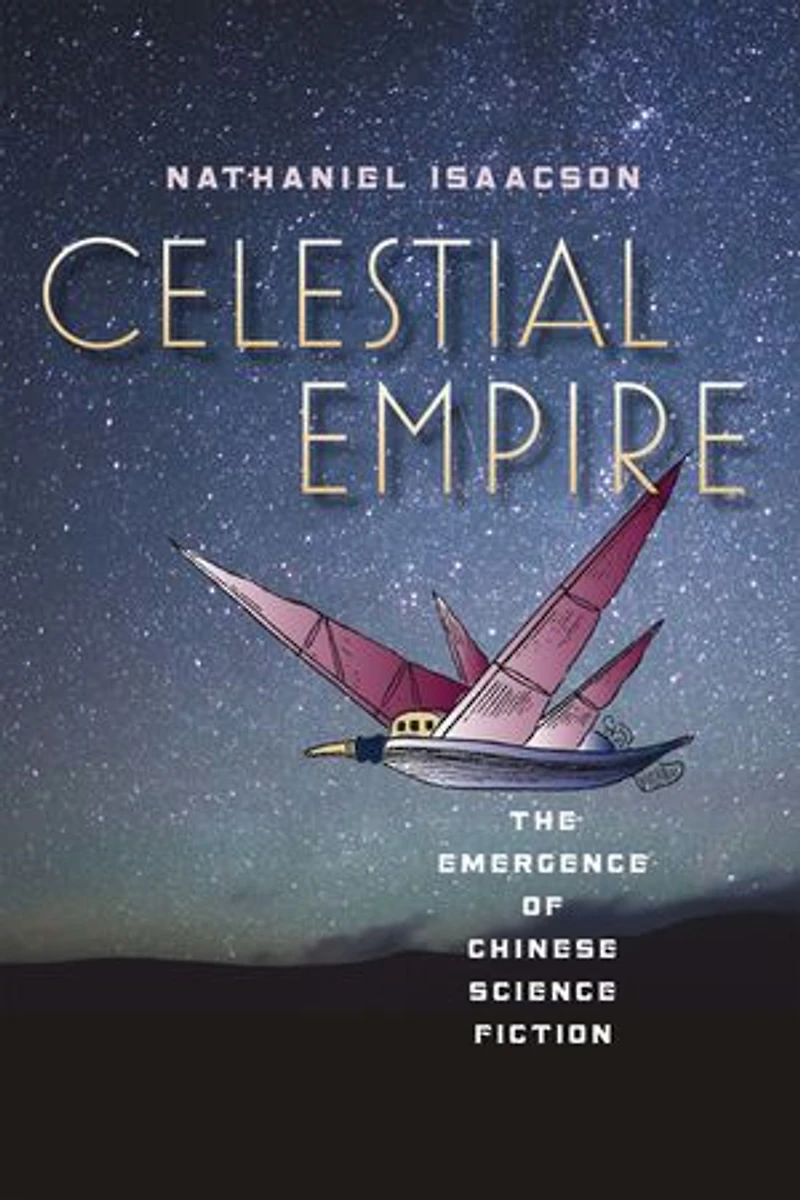
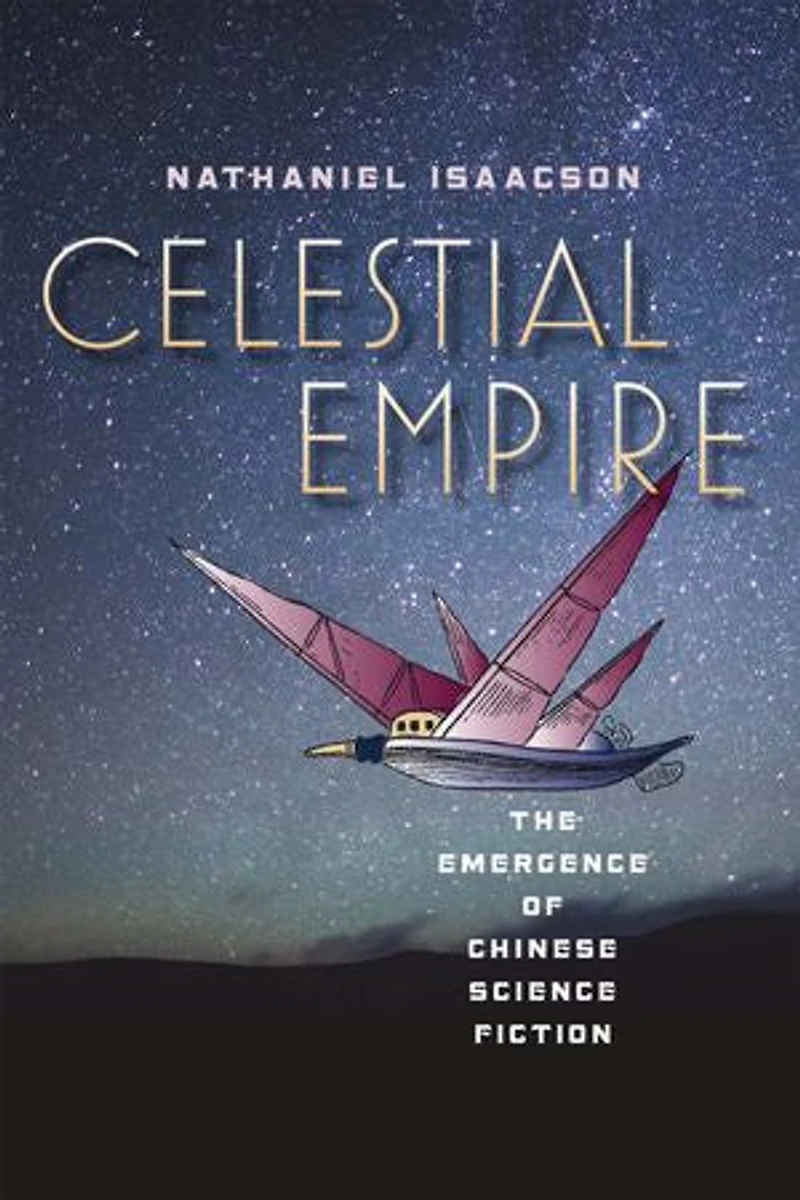
Celestial Empire: The Emergence of Chinese Science Fiction
Current price: $21.79
Original price: $27.13

Celestial Empire: The Emergence of Chinese Science Fiction
Current price: $21.79
Original price: $27.13
Loading Inventory...
Size: Kobo eBook (2017 A)
*Product information may vary - to confirm product availability, pricing, shipping and return information please contact Indigo
How colonialism profoundly influenced the emergence of Chinese science fiction
Challenging assumptions about science fiction's Western origins, Nathaniel Isaacson traces the development of the genre in China, from the late Qing Dynasty through the New Culture Movement. Through careful examination of a wide range of visual and print media—including historical accounts of the institutionalization of science, pictorial representations of technological innovations, and a number of novels and short stories—Isaacson makes a case for understanding Chinese science fiction as a product of colonial modernity. By situating the genre's emergence in the transnational traffic of ideas and material culture engendered by the presence of colonial powers in China's economic and political centers, Celestial Empires explores the relationship between science fiction and Orientalist discourse. In doing so it offers an innovative approach to the study of both vernacular writing in twentieth-century China and science fiction in a global context.
How colonialism profoundly influenced the emergence of Chinese science fiction
Challenging assumptions about science fiction's Western origins, Nathaniel Isaacson traces the development of the genre in China, from the late Qing Dynasty through the New Culture Movement. Through careful examination of a wide range of visual and print media—including historical accounts of the institutionalization of science, pictorial representations of technological innovations, and a number of novels and short stories—Isaacson makes a case for understanding Chinese science fiction as a product of colonial modernity. By situating the genre's emergence in the transnational traffic of ideas and material culture engendered by the presence of colonial powers in China's economic and political centers, Celestial Empires explores the relationship between science fiction and Orientalist discourse. In doing so it offers an innovative approach to the study of both vernacular writing in twentieth-century China and science fiction in a global context.
You May Also Like







More About Indigo at Erin Mills Town Centre
The largest book retailer in Canada also offers toys, music, home décor, gifts and lifestyle products. What's Inside...Books, Magazines, CD’s and DVD’s, Toys and Gifts, Home Accents, Electronics, Baby’s and Children’s Section, Bath and Body, Kitchen and Bedroom, Stationary Located outside in the exterior plaza.
5015 Glen Erin Dr, Mississauga, ON L5M 0R7, Canada
Find Indigo at Erin Mills Town Centre in Mississauga ON
Visit Indigo at Erin Mills Town Centre in Mississauga ON