

GIVE THE PERFECT GIFT
Erin Mills Town Centre Gift Cards are the perfect choice for your gift giving needs.Purchase gift cards at kiosks near the food court or centre court, at Guest Services, or click below to purchase online.PURCHASE HEREHome
Cell and Molecular Biology of Endometrial Carcinoma
Indigo
Loading Inventory...
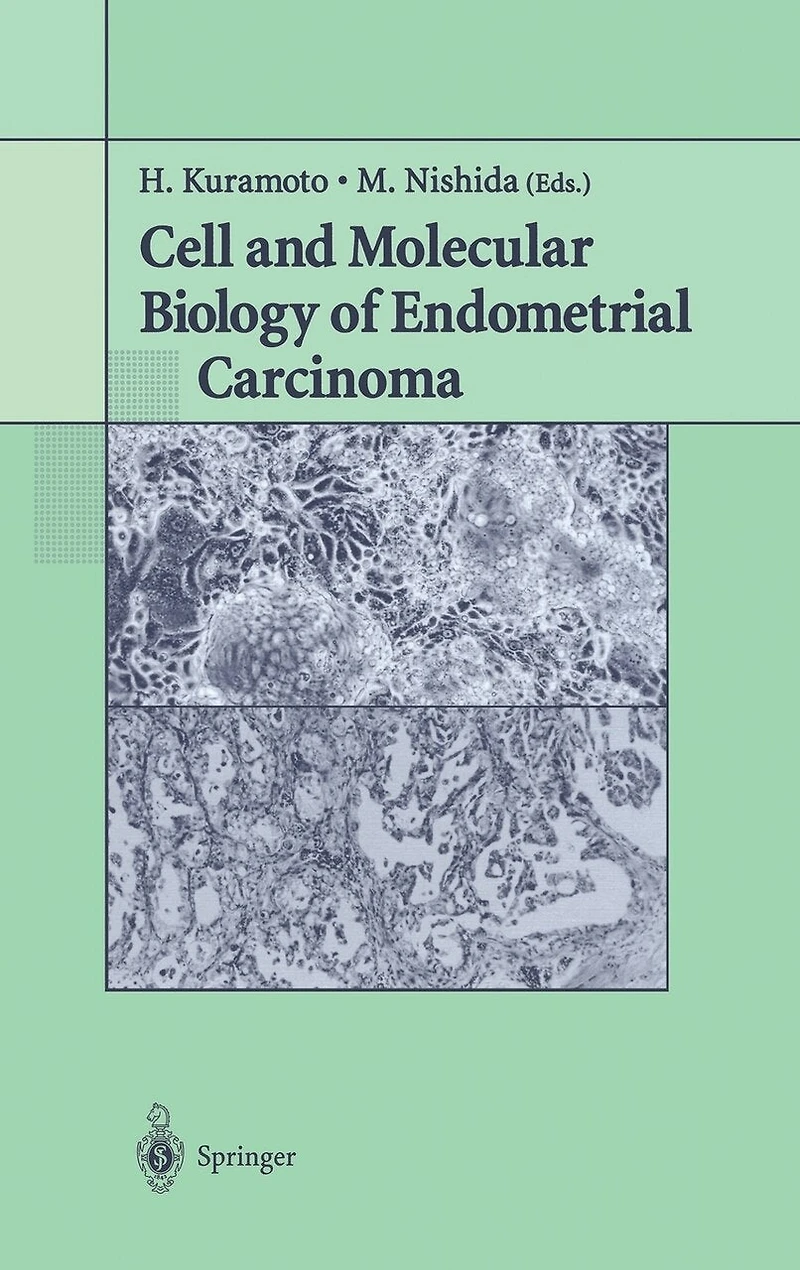
Cell and Molecular Biology of Endometrial Carcinoma
Current price: $220.95

Cell and Molecular Biology of Endometrial Carcinoma
Current price: $220.95
Loading Inventory...
Size: Hardcover
*Product information may vary - to confirm product availability, pricing, shipping and return information please contact Indigo
The 15th International Symposium of the Japan Human Cell Society on Cell and Molecular Biology of Endometrial Carcinoma brought together leading researchers from Japan and around the world. The papers collected here are the work of twenty-two leaders in their field and are organized in ten major categories. The first section, in vitro experimental systems, takes up the pioneering work by Kuramoto in 1968 and Nishida in 1980 in establishing, respectively, the HEC-1 and hormone-responsive endometrial carcinoma cell lines. Other topics include apoptosis, proliferation, and growth factors; cell cycle regulators; signaling pathways; angiogenesis; carcinogenesis; hormones and hormone receptors; genes and gene expression; endometrial receptivity; and chemo-resistance and -sensitivity. Presenting the latest work in the cell and molecular biology of endometrial carcinoma, this volume is a valuable resource for gynecologists, pathologists, and molecular biologists.
The 15th International Symposium of the Japan Human Cell Society on Cell and Molecular Biology of Endometrial Carcinoma brought together leading researchers from Japan and around the world. The papers collected here are the work of twenty-two leaders in their field and are organized in ten major categories. The first section, in vitro experimental systems, takes up the pioneering work by Kuramoto in 1968 and Nishida in 1980 in establishing, respectively, the HEC-1 and hormone-responsive endometrial carcinoma cell lines. Other topics include apoptosis, proliferation, and growth factors; cell cycle regulators; signaling pathways; angiogenesis; carcinogenesis; hormones and hormone receptors; genes and gene expression; endometrial receptivity; and chemo-resistance and -sensitivity. Presenting the latest work in the cell and molecular biology of endometrial carcinoma, this volume is a valuable resource for gynecologists, pathologists, and molecular biologists.
You May Also Like







More About Indigo at Erin Mills Town Centre
The largest book retailer in Canada also offers toys, music, home décor, gifts and lifestyle products. What's Inside...Books, Magazines, CD’s and DVD’s, Toys and Gifts, Home Accents, Electronics, Baby’s and Children’s Section, Bath and Body, Kitchen and Bedroom, Stationary Located outside in the exterior plaza.
5015 Glen Erin Dr, Mississauga, ON L5M 0R7, Canada
Find Indigo at Erin Mills Town Centre in Mississauga ON
Visit Indigo at Erin Mills Town Centre in Mississauga ON