

GIVE THE PERFECT GIFT
Erin Mills Town Centre Gift Cards are the perfect choice for your gift giving needs.Purchase gift cards at kiosks near the food court or centre court, at Guest Services, or click below to purchase online.PURCHASE HEREHome
Cell Culture in the Neurosciences
Indigo
Loading Inventory...
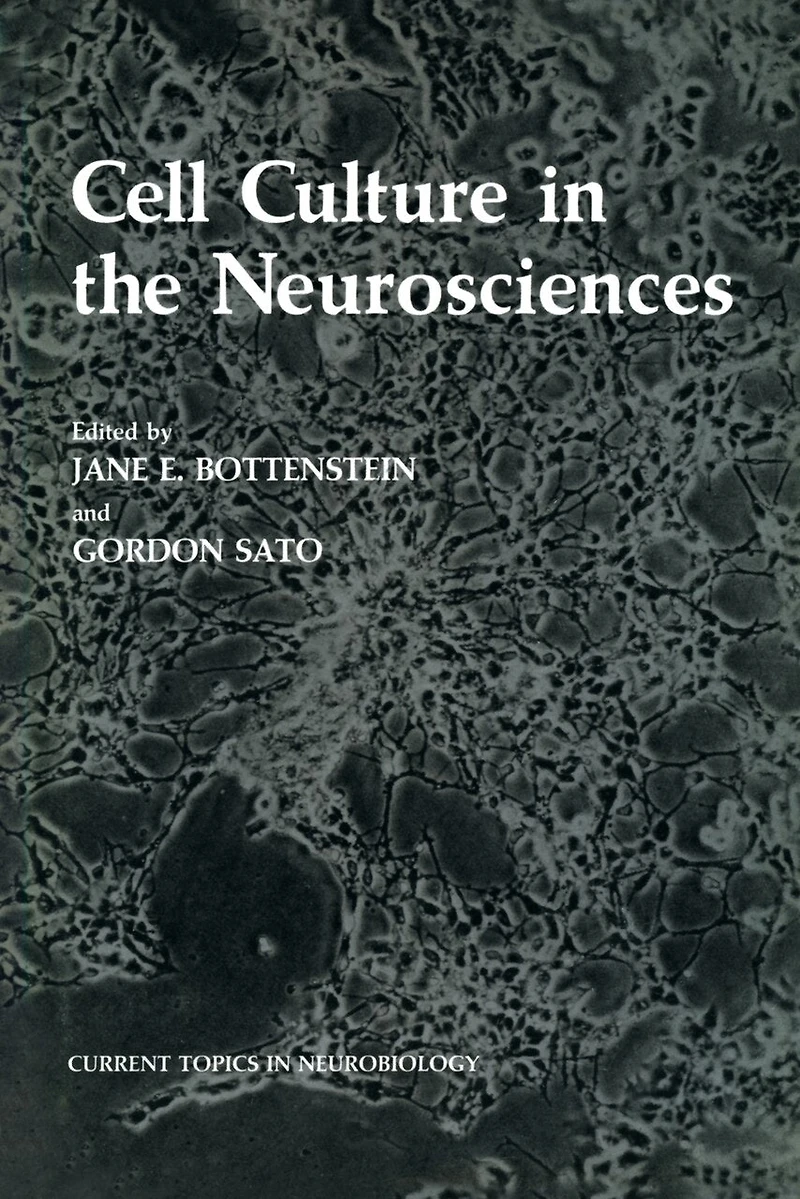
Cell Culture in the Neurosciences
Current price: $71.50

Cell Culture in the Neurosciences
Current price: $71.50
Loading Inventory...
Size: Paperback
*Product information may vary - to confirm product availability, pricing, shipping and return information please contact Indigo
A fundamental problem in neuroscience is the elucidation of the cellular and molecular mechanisms underlying the development and function of the nervous system. The complexity of organization, the heteroge- neity of cell types and their interactions, and the difficulty of controlling experimental variables in intact organisms make this a formidable task. Because of the ability that it affords to analyze smaller components of the nervous system (even single cells in some cases) and to better control experimental variables, cell culture has become an increasingly valuable tool for neuroscientists. Many aspects of neural development, such as proliferation, differentiation, synaptogenesis, and myelination, occur in culture with time courses remarkably similar to those in vivo. Thus, in vitro methods often provide excellent model systems for investigating neurobiological questions. Ross Harrison described the first culture of neural tissue in 1907 and used morphological methods to analyze the cultures. Since that time the technique has been progressively modified and used to address an ever widening range of developmental questions. In recent years a con- vergence of new or improved cell culture, biochemical, electrophysiol- ogical, and immunological methods has occurred and been brought to bear on neurobiological questions. This volume is intended not to be comprehensive but rather to highlight some of the latest findings, with a review of previous important work as well, in which combinations of these methods are used.
A fundamental problem in neuroscience is the elucidation of the cellular and molecular mechanisms underlying the development and function of the nervous system. The complexity of organization, the heteroge- neity of cell types and their interactions, and the difficulty of controlling experimental variables in intact organisms make this a formidable task. Because of the ability that it affords to analyze smaller components of the nervous system (even single cells in some cases) and to better control experimental variables, cell culture has become an increasingly valuable tool for neuroscientists. Many aspects of neural development, such as proliferation, differentiation, synaptogenesis, and myelination, occur in culture with time courses remarkably similar to those in vivo. Thus, in vitro methods often provide excellent model systems for investigating neurobiological questions. Ross Harrison described the first culture of neural tissue in 1907 and used morphological methods to analyze the cultures. Since that time the technique has been progressively modified and used to address an ever widening range of developmental questions. In recent years a con- vergence of new or improved cell culture, biochemical, electrophysiol- ogical, and immunological methods has occurred and been brought to bear on neurobiological questions. This volume is intended not to be comprehensive but rather to highlight some of the latest findings, with a review of previous important work as well, in which combinations of these methods are used.
You May Also Like











More About Indigo at Erin Mills Town Centre
The largest book retailer in Canada also offers toys, music, home décor, gifts and lifestyle products. What's Inside...Books, Magazines, CD’s and DVD’s, Toys and Gifts, Home Accents, Electronics, Baby’s and Children’s Section, Bath and Body, Kitchen and Bedroom, Stationary Located outside in the exterior plaza.
5015 Glen Erin Dr, Mississauga, ON L5M 0R7, Canada
Find Indigo at Erin Mills Town Centre in Mississauga ON
Visit Indigo at Erin Mills Town Centre in Mississauga ON