

GIVE THE PERFECT GIFT
Erin Mills Town Centre Gift Cards are the perfect choice for your gift giving needs.Purchase gift cards at kiosks near the food court or centre court, at Guest Services, or click below to purchase online.PURCHASE HEREHome
Cellular Convergence and the Death of Privacy
Indigo
Loading Inventory...
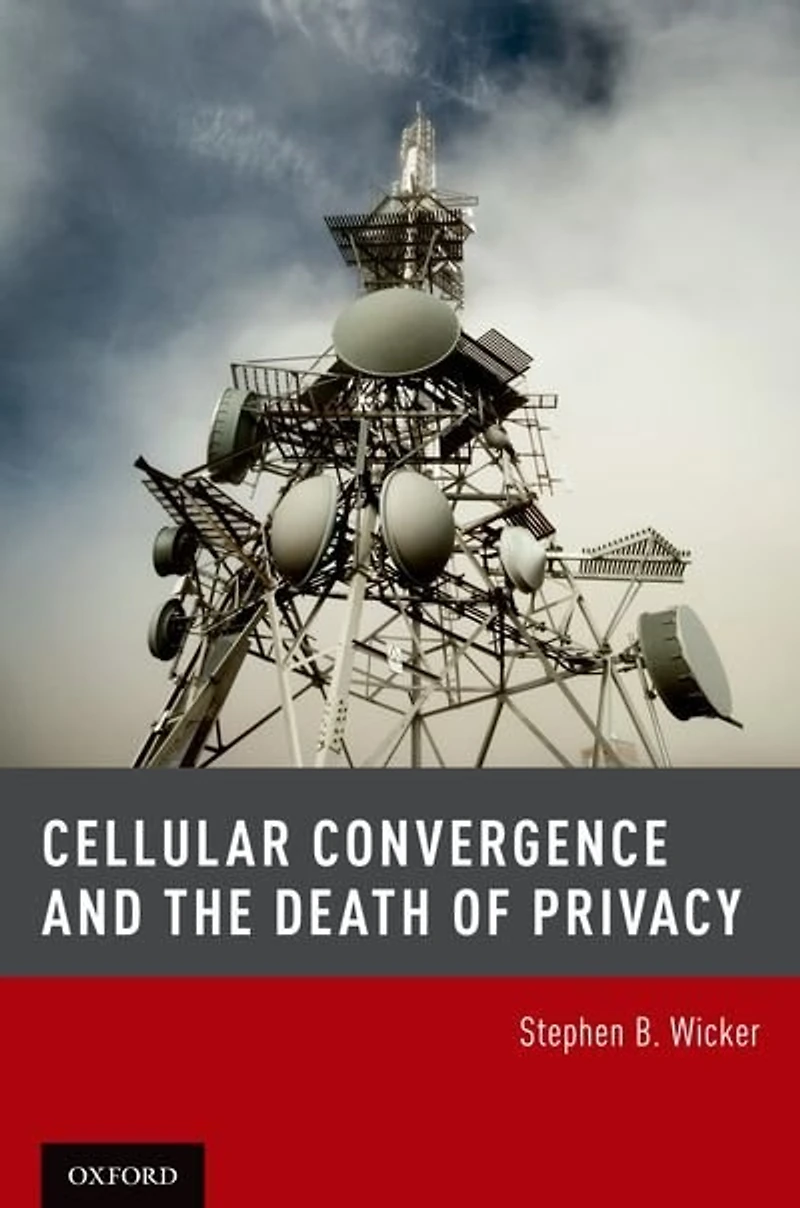
Cellular Convergence and the Death of Privacy
Current price: $99.95

Cellular Convergence and the Death of Privacy
Current price: $99.95
Loading Inventory...
Size: Hardcover
*Product information may vary - to confirm product availability, pricing, shipping and return information please contact Indigo
Cellular technology has always been a surveillance technology, but "cellular convergence" - the growing trend for all forms of communication to consolidate onto the cellular handset - has dramatically increased the impact of that surveillance. In Cellular Convergence and the Death of Privacy, Stephen Wicker explores this unprecedented threat to privacy from three distinct but overlapping perspectives: the technical, the legal, and the social.
Professor Wicker first describes cellular technology and cellular surveillance using language accessible to non-specialists. He then examines current legislation and Supreme Court jurisprudence that form the framework for discussions about rights in the context of cellular surveillance. Lastly, he addresses the social impact of surveillance on individual users. The story he tells is one of a technology that is changing the face of politics and economics, but in ways that remain highly uncertain.
Cellular technology has always been a surveillance technology, but "cellular convergence" - the growing trend for all forms of communication to consolidate onto the cellular handset - has dramatically increased the impact of that surveillance. In Cellular Convergence and the Death of Privacy, Stephen Wicker explores this unprecedented threat to privacy from three distinct but overlapping perspectives: the technical, the legal, and the social.
Professor Wicker first describes cellular technology and cellular surveillance using language accessible to non-specialists. He then examines current legislation and Supreme Court jurisprudence that form the framework for discussions about rights in the context of cellular surveillance. Lastly, he addresses the social impact of surveillance on individual users. The story he tells is one of a technology that is changing the face of politics and economics, but in ways that remain highly uncertain.
You May Also Like












More About Indigo at Erin Mills Town Centre
The largest book retailer in Canada also offers toys, music, home décor, gifts and lifestyle products. What's Inside...Books, Magazines, CD’s and DVD’s, Toys and Gifts, Home Accents, Electronics, Baby’s and Children’s Section, Bath and Body, Kitchen and Bedroom, Stationary Located outside in the exterior plaza.
5015 Glen Erin Dr, Mississauga, ON L5M 0R7, Canada
Find Indigo at Erin Mills Town Centre in Mississauga ON
Visit Indigo at Erin Mills Town Centre in Mississauga ON