

GIVE THE PERFECT GIFT
Erin Mills Town Centre Gift Cards are the perfect choice for your gift giving needs.Purchase gift cards at kiosks near the food court or centre court, at Guest Services, or click below to purchase online.PURCHASE HEREHome
Cellular Peptide Hormone Synthesis and Secretory Pathways
Indigo
Loading Inventory...
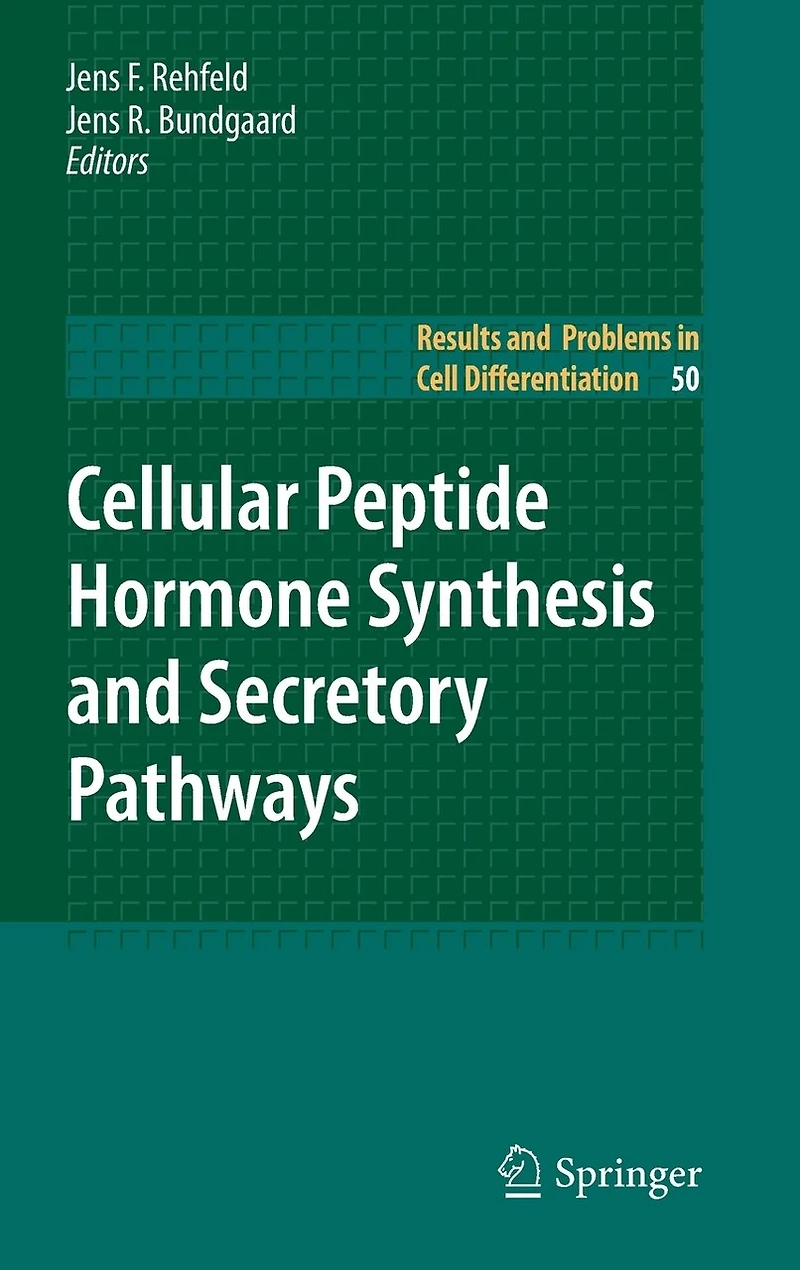
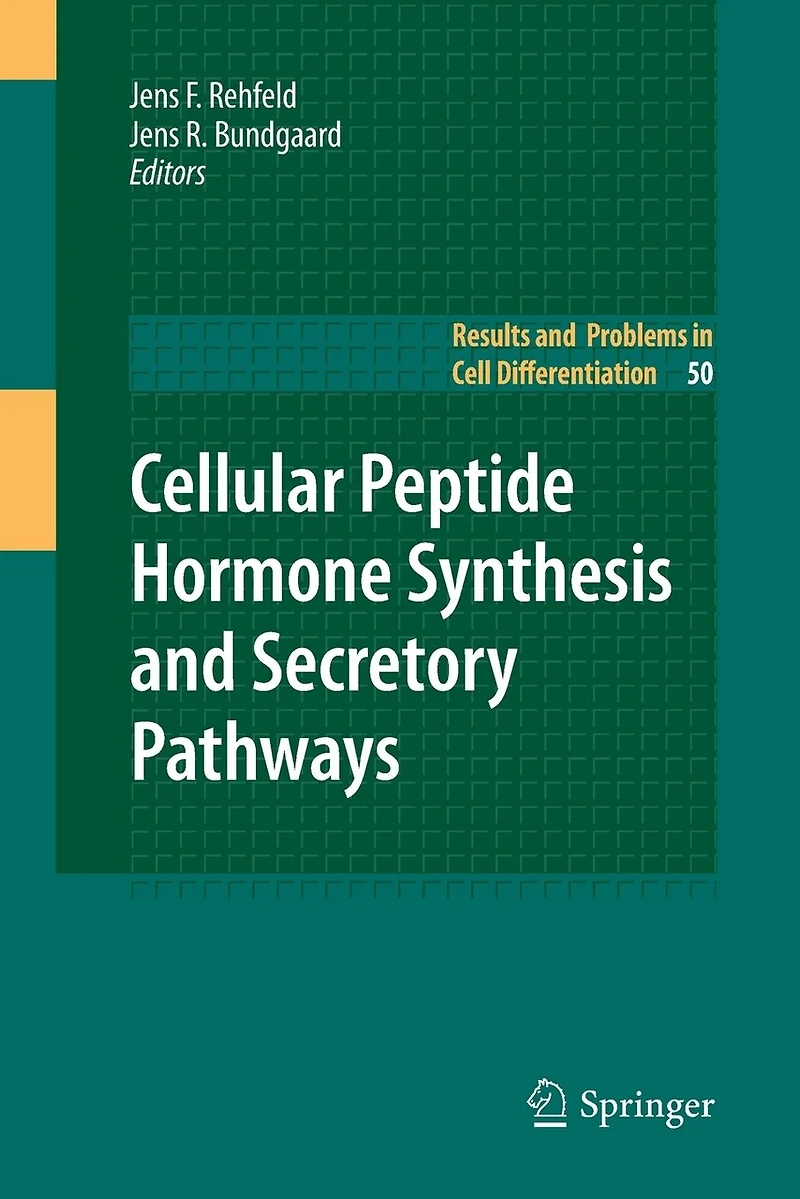
Cellular Peptide Hormone Synthesis and Secretory Pathways
Current price: $321.50

Cellular Peptide Hormone Synthesis and Secretory Pathways
Current price: $321.50
Loading Inventory...
Size: Hardcover
*Product information may vary - to confirm product availability, pricing, shipping and return information please contact Indigo
The concept of hormonal regulation using intercellular peptide messengers dates back to the discovery of secretin in 1902. The concept was simple: A peptide is released from specific hormone producing cells, endocrine cells, into circulation upon stimulation of the cells. The peptide hormone travels via blood to its target, the cells of which are equipped with specific receptors for high-affinity binding of the particular peptide hormone. Receptor binding subsequently elicits action of the target cells. This concept has been seriously challenged by modern biochemistry and cell biology. Thus, it is now well established that the gene of a specific peptide hormone may be expressed in different types of endocrine cells, in neurons, and in some instances also in adipocytes, myocytes, osteoblasts, and immune cells. Today, only a few hormones - including the old master hormone insulin - represent the original endocrine paradigm. Instead, the widespread cellular synthesis now raises the qu- tion of how the body maintains the regulation of its functions by peptide hormones when a hormone may originate from a variety of cells.
The concept of hormonal regulation using intercellular peptide messengers dates back to the discovery of secretin in 1902. The concept was simple: A peptide is released from specific hormone producing cells, endocrine cells, into circulation upon stimulation of the cells. The peptide hormone travels via blood to its target, the cells of which are equipped with specific receptors for high-affinity binding of the particular peptide hormone. Receptor binding subsequently elicits action of the target cells. This concept has been seriously challenged by modern biochemistry and cell biology. Thus, it is now well established that the gene of a specific peptide hormone may be expressed in different types of endocrine cells, in neurons, and in some instances also in adipocytes, myocytes, osteoblasts, and immune cells. Today, only a few hormones - including the old master hormone insulin - represent the original endocrine paradigm. Instead, the widespread cellular synthesis now raises the qu- tion of how the body maintains the regulation of its functions by peptide hormones when a hormone may originate from a variety of cells.
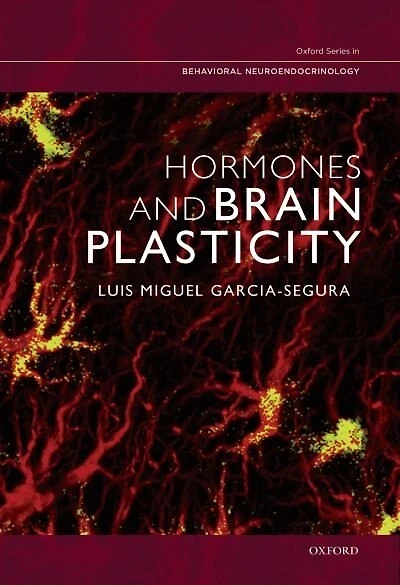
You May Also Like
















More About Indigo at Erin Mills Town Centre
The largest book retailer in Canada also offers toys, music, home décor, gifts and lifestyle products. What's Inside...Books, Magazines, CD’s and DVD’s, Toys and Gifts, Home Accents, Electronics, Baby’s and Children’s Section, Bath and Body, Kitchen and Bedroom, Stationary Located outside in the exterior plaza.
5015 Glen Erin Dr, Mississauga, ON L5M 0R7, Canada
Find Indigo at Erin Mills Town Centre in Mississauga ON
Visit Indigo at Erin Mills Town Centre in Mississauga ON