

GIVE THE PERFECT GIFT
Erin Mills Town Centre Gift Cards are the perfect choice for your gift giving needs.Purchase gift cards at kiosks near the food court or centre court, at Guest Services, or click below to purchase online.PURCHASE HEREHome
Censorship and Conflict Seventeenth-Century England: The Subtle Art of Division
Indigo
Loading Inventory...
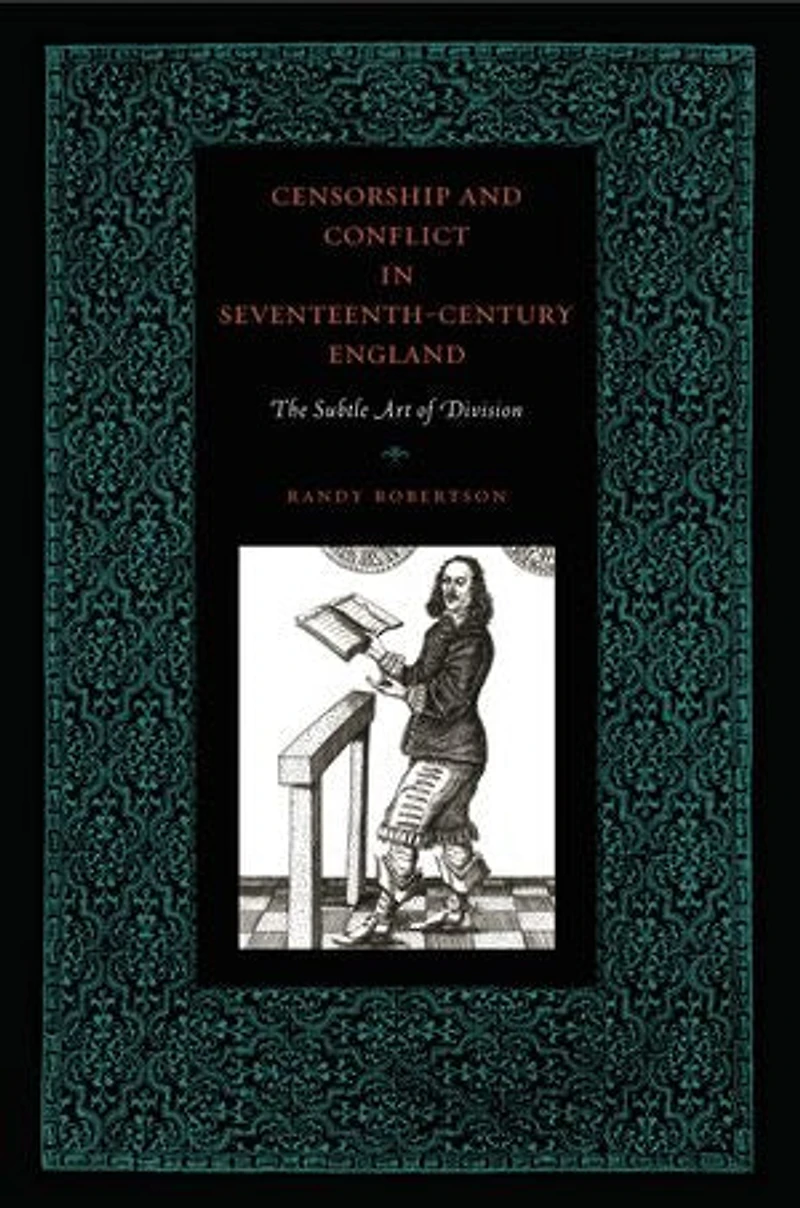
Censorship and Conflict Seventeenth-Century England: The Subtle Art of Division
Current price: $31.99
Original price: $39.99

Censorship and Conflict Seventeenth-Century England: The Subtle Art of Division
Current price: $31.99
Original price: $39.99
Loading Inventory...
Size: Kobo eBook
*Product information may vary - to confirm product availability, pricing, shipping and return information please contact Indigo
Censorship profoundly affected early modern writing. Censorship and Conflict in Seventeenth-Century England offers a detailed picture of early modern censorship and investigates the pressures that censorship exerted on seventeenth-century authors, printers, and publishers. In the 1600s, Britain witnessed a civil war, the judicial execution of a king, the restoration of his son, and an unremitting struggle among crown, parliament, and people for sovereignty and the right to define “liberty and property.” This battle, sometimes subtle, sometimes bloody, entailed a struggle for the control of language and representation. Robertson offers a richly detailed study of this “censorship contest” and of the craft that writers employed to outflank the licensers. He argues that for most parties, victory, not diplomacy or consensus, was the ultimate goal. This book differs from most recent works in analyzing both the mechanics of early modern censorship and the poetics that the licensing system produced—the forms and pressures of self-censorship. Among the issues that Robertson addresses in this book are the workings of the licensing machinery, the designs of art and obliquity under a regime of censorship, and the involutions of authorship attendant on anonymity.
Censorship profoundly affected early modern writing. Censorship and Conflict in Seventeenth-Century England offers a detailed picture of early modern censorship and investigates the pressures that censorship exerted on seventeenth-century authors, printers, and publishers. In the 1600s, Britain witnessed a civil war, the judicial execution of a king, the restoration of his son, and an unremitting struggle among crown, parliament, and people for sovereignty and the right to define “liberty and property.” This battle, sometimes subtle, sometimes bloody, entailed a struggle for the control of language and representation. Robertson offers a richly detailed study of this “censorship contest” and of the craft that writers employed to outflank the licensers. He argues that for most parties, victory, not diplomacy or consensus, was the ultimate goal. This book differs from most recent works in analyzing both the mechanics of early modern censorship and the poetics that the licensing system produced—the forms and pressures of self-censorship. Among the issues that Robertson addresses in this book are the workings of the licensing machinery, the designs of art and obliquity under a regime of censorship, and the involutions of authorship attendant on anonymity.
You May Also Like







More About Indigo at Erin Mills Town Centre
The largest book retailer in Canada also offers toys, music, home décor, gifts and lifestyle products. What's Inside...Books, Magazines, CD’s and DVD’s, Toys and Gifts, Home Accents, Electronics, Baby’s and Children’s Section, Bath and Body, Kitchen and Bedroom, Stationary Located outside in the exterior plaza.
5015 Glen Erin Dr, Mississauga, ON L5M 0R7, Canada
Find Indigo at Erin Mills Town Centre in Mississauga ON
Visit Indigo at Erin Mills Town Centre in Mississauga ON