

GIVE THE PERFECT GIFT
Erin Mills Town Centre Gift Cards are the perfect choice for your gift giving needs.Purchase gift cards at kiosks near the food court or centre court, at Guest Services, or click below to purchase online.PURCHASE HEREHome
Central Bank Independence and the Legacy of German Past
Indigo
Loading Inventory...
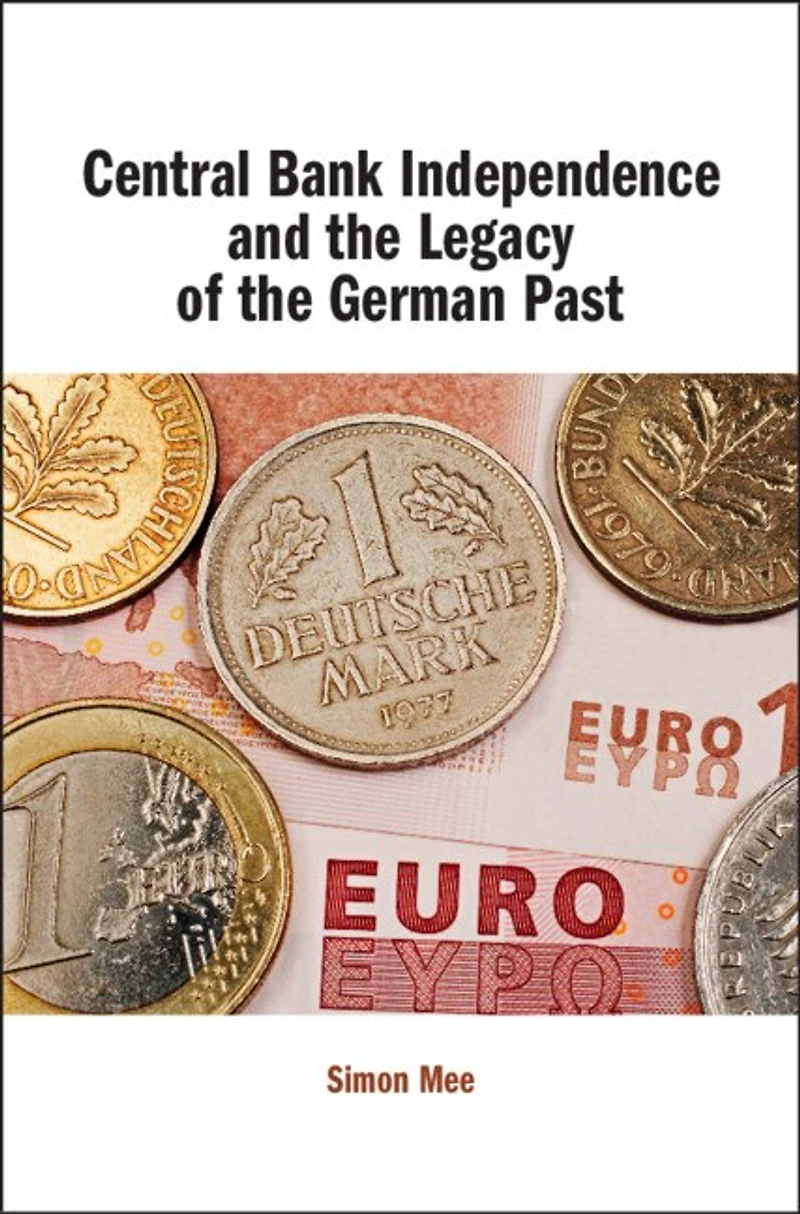
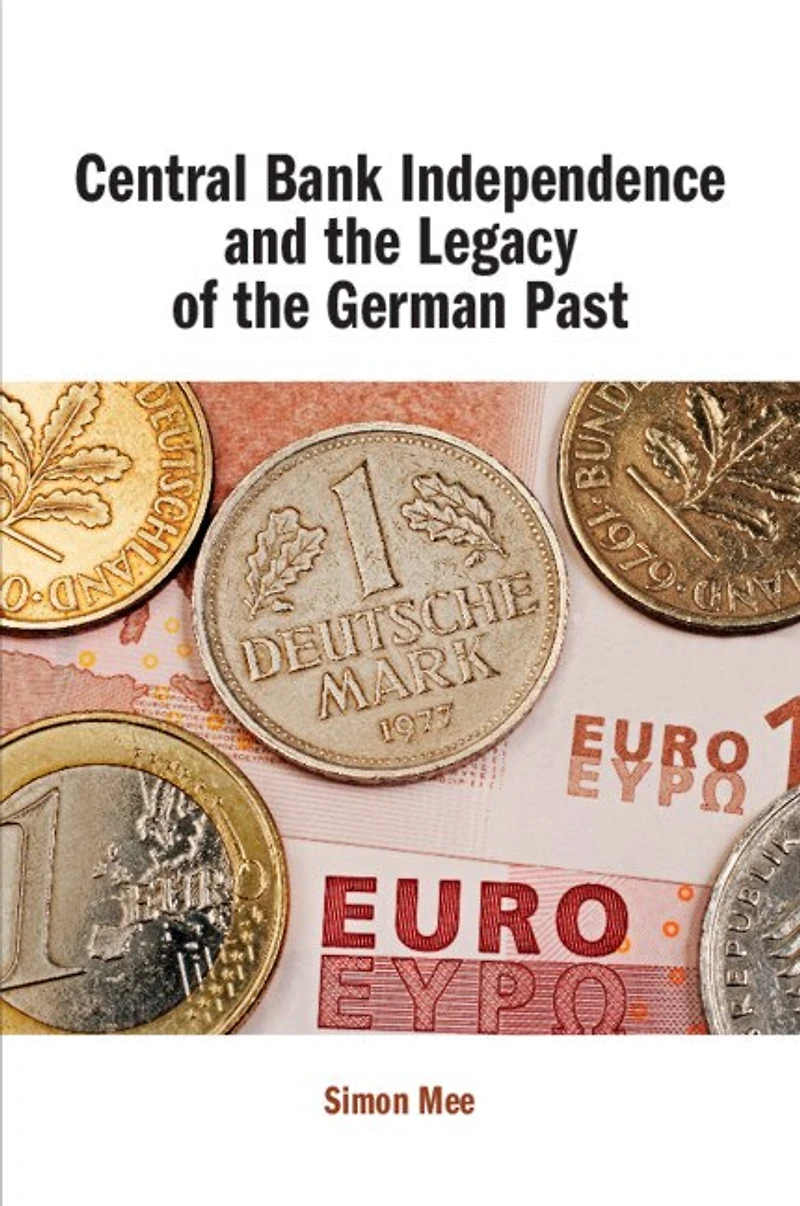
Central Bank Independence and the Legacy of German Past
Current price: $172.95

Central Bank Independence and the Legacy of German Past
Current price: $172.95
Loading Inventory...
Size: Hardcover
*Product information may vary - to confirm product availability, pricing, shipping and return information please contact Indigo
The 2008 financial crisis led to more and more frequent political attacks on central banks. The recent spotlight on central bank independence is reminiscent of the fiery debates amongst Germany's political elites in 1949 on the same issue; debates that were sparked by the establishment of West Germany in that year. Simon Mee shows how, with the establishment of West Germany's central bank - today's Deutsche Bundesbank - the country's monetary history became a political football, as central bankers, politicians, industrialists and trade unionists all vied for influence over the legal provisions that set out the remit of the future monetary authority. The author reveals how a specific version of inter-war history, one that stresses the lessons learned from Germany's periods of inflation, was weaponised and attached to a political, contemporary argument for an independent central bank. The book challenges assumptions around the evolution of central bank independence with continued relevance today.
The 2008 financial crisis led to more and more frequent political attacks on central banks. The recent spotlight on central bank independence is reminiscent of the fiery debates amongst Germany's political elites in 1949 on the same issue; debates that were sparked by the establishment of West Germany in that year. Simon Mee shows how, with the establishment of West Germany's central bank - today's Deutsche Bundesbank - the country's monetary history became a political football, as central bankers, politicians, industrialists and trade unionists all vied for influence over the legal provisions that set out the remit of the future monetary authority. The author reveals how a specific version of inter-war history, one that stresses the lessons learned from Germany's periods of inflation, was weaponised and attached to a political, contemporary argument for an independent central bank. The book challenges assumptions around the evolution of central bank independence with continued relevance today.
You May Also Like







More About Indigo at Erin Mills Town Centre
The largest book retailer in Canada also offers toys, music, home décor, gifts and lifestyle products. What's Inside...Books, Magazines, CD’s and DVD’s, Toys and Gifts, Home Accents, Electronics, Baby’s and Children’s Section, Bath and Body, Kitchen and Bedroom, Stationary Located outside in the exterior plaza.
5015 Glen Erin Dr, Mississauga, ON L5M 0R7, Canada
Find Indigo at Erin Mills Town Centre in Mississauga ON
Visit Indigo at Erin Mills Town Centre in Mississauga ON