

GIVE THE PERFECT GIFT
Erin Mills Town Centre Gift Cards are the perfect choice for your gift giving needs.Purchase gift cards at kiosks near the food court or centre court, at Guest Services, or click below to purchase online.PURCHASE HEREHome
Chairs, Stools and Footstools in the New Kingdom: Production, typology and social analysis
Indigo
Loading Inventory...
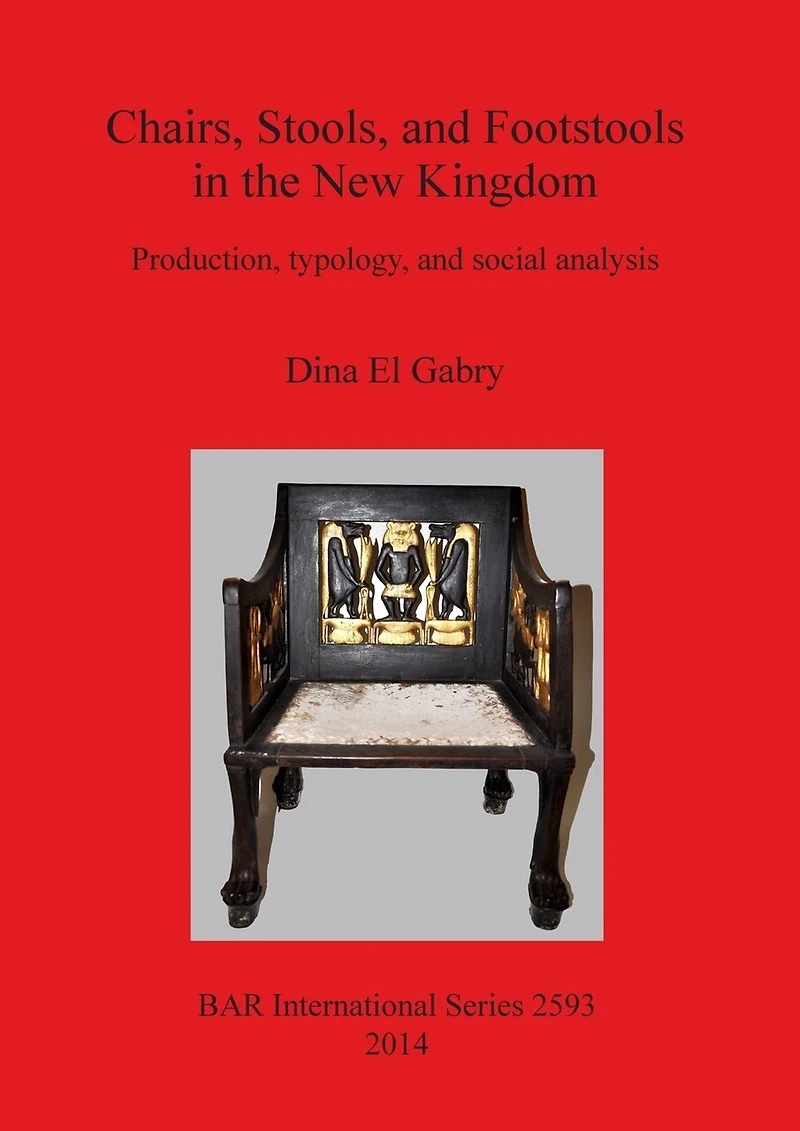
Chairs, Stools and Footstools in the New Kingdom: Production, typology and social analysis
Current price: $97.20

Chairs, Stools and Footstools in the New Kingdom: Production, typology and social analysis
Current price: $97.20
Loading Inventory...
Size: Paperback
*Product information may vary - to confirm product availability, pricing, shipping and return information please contact Indigo
The study of furniture and its production is a window into both the social position of its owner and the techniques and social organization of the craftsmen. This book comprises an examination and analysis of chairs, stools and footstools of the New Kingdom (ca.1550-1069 B.C.) which are preserved in the Cairo Egyptian Museum. The first chapter is dedicated to woodworking processes and techniques of manufacturing chairs and stools. The second chapter analyses the chairs, stools, and fragments that constitute the main corpus of this study (131 pieces in total). The third chapter focuses primarily on two-dimensional scenes and how these can increase our understanding of the study objects. The fourth chapter is devoted to a lexicographical analysis of the terms used to designate different types of chairs, stools and footstools. This is followed by a typological study of chairs and stools in the New Kingdom based on actual pieces of furniture that my corpus includes and those preserved in other collections.
The study of furniture and its production is a window into both the social position of its owner and the techniques and social organization of the craftsmen. This book comprises an examination and analysis of chairs, stools and footstools of the New Kingdom (ca.1550-1069 B.C.) which are preserved in the Cairo Egyptian Museum. The first chapter is dedicated to woodworking processes and techniques of manufacturing chairs and stools. The second chapter analyses the chairs, stools, and fragments that constitute the main corpus of this study (131 pieces in total). The third chapter focuses primarily on two-dimensional scenes and how these can increase our understanding of the study objects. The fourth chapter is devoted to a lexicographical analysis of the terms used to designate different types of chairs, stools and footstools. This is followed by a typological study of chairs and stools in the New Kingdom based on actual pieces of furniture that my corpus includes and those preserved in other collections.
You May Also Like











More About Indigo at Erin Mills Town Centre
The largest book retailer in Canada also offers toys, music, home décor, gifts and lifestyle products. What's Inside...Books, Magazines, CD’s and DVD’s, Toys and Gifts, Home Accents, Electronics, Baby’s and Children’s Section, Bath and Body, Kitchen and Bedroom, Stationary Located outside in the exterior plaza.
5015 Glen Erin Dr, Mississauga, ON L5M 0R7, Canada
Find Indigo at Erin Mills Town Centre in Mississauga ON
Visit Indigo at Erin Mills Town Centre in Mississauga ON