

GIVE THE PERFECT GIFT
Erin Mills Town Centre Gift Cards are the perfect choice for your gift giving needs.Purchase gift cards at kiosks near the food court or centre court, at Guest Services, or click below to purchase online.PURCHASE HEREHome
Chambers v. Florida and the Criminal Justice Revolution
Indigo
Loading Inventory...
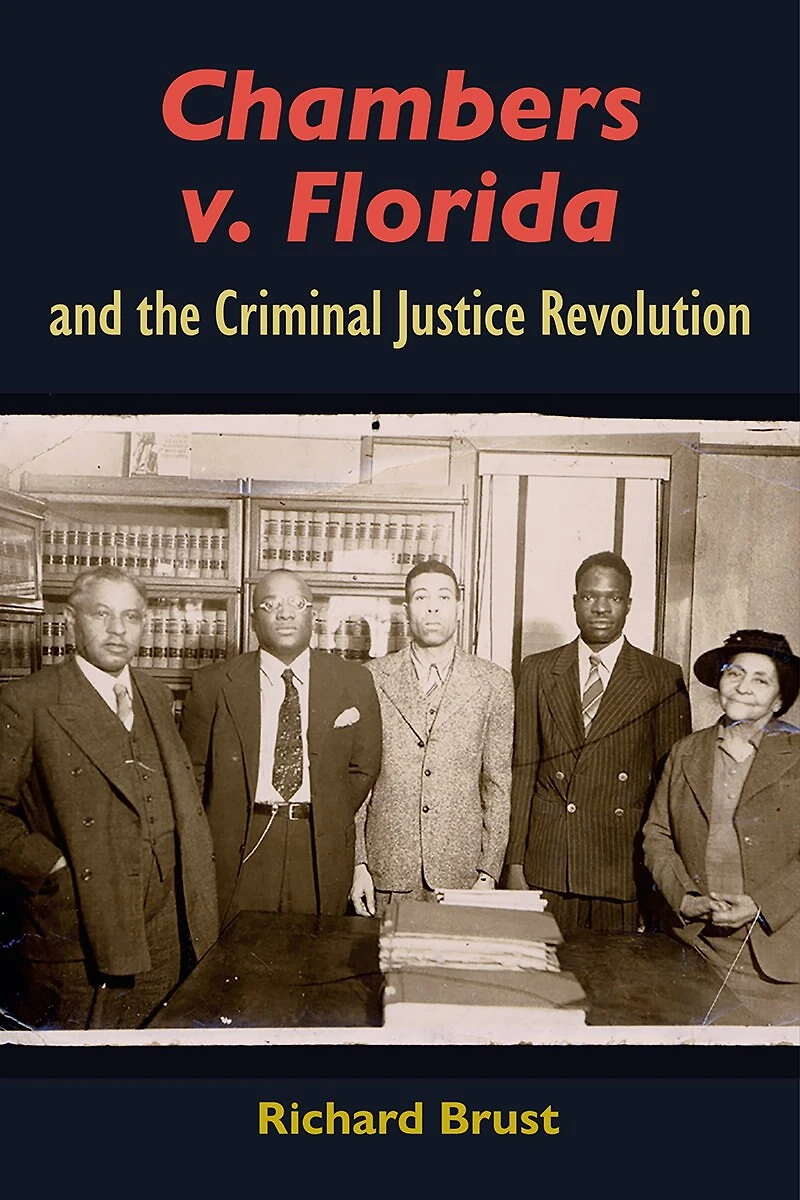
Chambers v. Florida and the Criminal Justice Revolution
Current price: $138.00

Chambers v. Florida and the Criminal Justice Revolution
Current price: $138.00
Loading Inventory...
Size: Hardcover
*Product information may vary - to confirm product availability, pricing, shipping and return information please contact Indigo
The history and enduring legacy of a breakthrough case in criminal justice reform Florida Historical Society Rembert Patrick Award In 1940, the United States Supreme Court decided in Chambers v. Florida to ban confessions obtained through mental or physical coercion in criminal trials. This landmark ruling laid the groundwork for many later protections for those in the custody of law enforcement. This book shows how the case contributed to what is now known as the “criminal procedure revolution,” a series of Supreme Court rulings that found protections in the Bill of Rights applied not only to defendants in federal cases but also to those in state legal systems. The trial that sparked this chain of events resulted from the robbing and murder of a white fish-market owner in Pompano, Florida, in 1933. Local law enforcement officers extracted confessions from four Black migrant workers after a week of torture and abuse. Simuel McGill, a Black lawyer based in Jacksonville, mounted appeals, kept the accused men safe from lynchings, and eventually took the case to the nation’s highest court, where Justice Hugo Black, among other parts of the ruling, compared justice systems in the Jim Crow South to those of totalitarian nations in 1930s Europe. This book fully explores the case, often overlooked by historians, and its ripple effects—such as the “Miranda rights” formalized in 1966, including the “right to remain silent.” "Chambers v. Florida" and the Criminal Justice Revolution demonstrates the influence of African American lawyers in early criminal and civil rights cases, as well as the growing public awareness of abuses of power by white sheriffs and law enforcement authorities during this time. It highlights the ever-present need to safeguard protections for minority and impoverished individuals accused of crimes, reminding readers that with perseverance and vigilance, justice can prevail.
The history and enduring legacy of a breakthrough case in criminal justice reform Florida Historical Society Rembert Patrick Award In 1940, the United States Supreme Court decided in Chambers v. Florida to ban confessions obtained through mental or physical coercion in criminal trials. This landmark ruling laid the groundwork for many later protections for those in the custody of law enforcement. This book shows how the case contributed to what is now known as the “criminal procedure revolution,” a series of Supreme Court rulings that found protections in the Bill of Rights applied not only to defendants in federal cases but also to those in state legal systems. The trial that sparked this chain of events resulted from the robbing and murder of a white fish-market owner in Pompano, Florida, in 1933. Local law enforcement officers extracted confessions from four Black migrant workers after a week of torture and abuse. Simuel McGill, a Black lawyer based in Jacksonville, mounted appeals, kept the accused men safe from lynchings, and eventually took the case to the nation’s highest court, where Justice Hugo Black, among other parts of the ruling, compared justice systems in the Jim Crow South to those of totalitarian nations in 1930s Europe. This book fully explores the case, often overlooked by historians, and its ripple effects—such as the “Miranda rights” formalized in 1966, including the “right to remain silent.” "Chambers v. Florida" and the Criminal Justice Revolution demonstrates the influence of African American lawyers in early criminal and civil rights cases, as well as the growing public awareness of abuses of power by white sheriffs and law enforcement authorities during this time. It highlights the ever-present need to safeguard protections for minority and impoverished individuals accused of crimes, reminding readers that with perseverance and vigilance, justice can prevail.
You May Also Like














More About Indigo at Erin Mills Town Centre
The largest book retailer in Canada also offers toys, music, home décor, gifts and lifestyle products. What's Inside...Books, Magazines, CD’s and DVD’s, Toys and Gifts, Home Accents, Electronics, Baby’s and Children’s Section, Bath and Body, Kitchen and Bedroom, Stationary Located outside in the exterior plaza.
5015 Glen Erin Dr, Mississauga, ON L5M 0R7, Canada
Find Indigo at Erin Mills Town Centre in Mississauga ON
Visit Indigo at Erin Mills Town Centre in Mississauga ON