

GIVE THE PERFECT GIFT
Erin Mills Town Centre Gift Cards are the perfect choice for your gift giving needs.Purchase gift cards at kiosks near the food court or centre court, at Guest Services, or click below to purchase online.PURCHASE HEREHome
Chaos and Complexity: Implications for Psychological Theory Practice
Indigo
Loading Inventory...
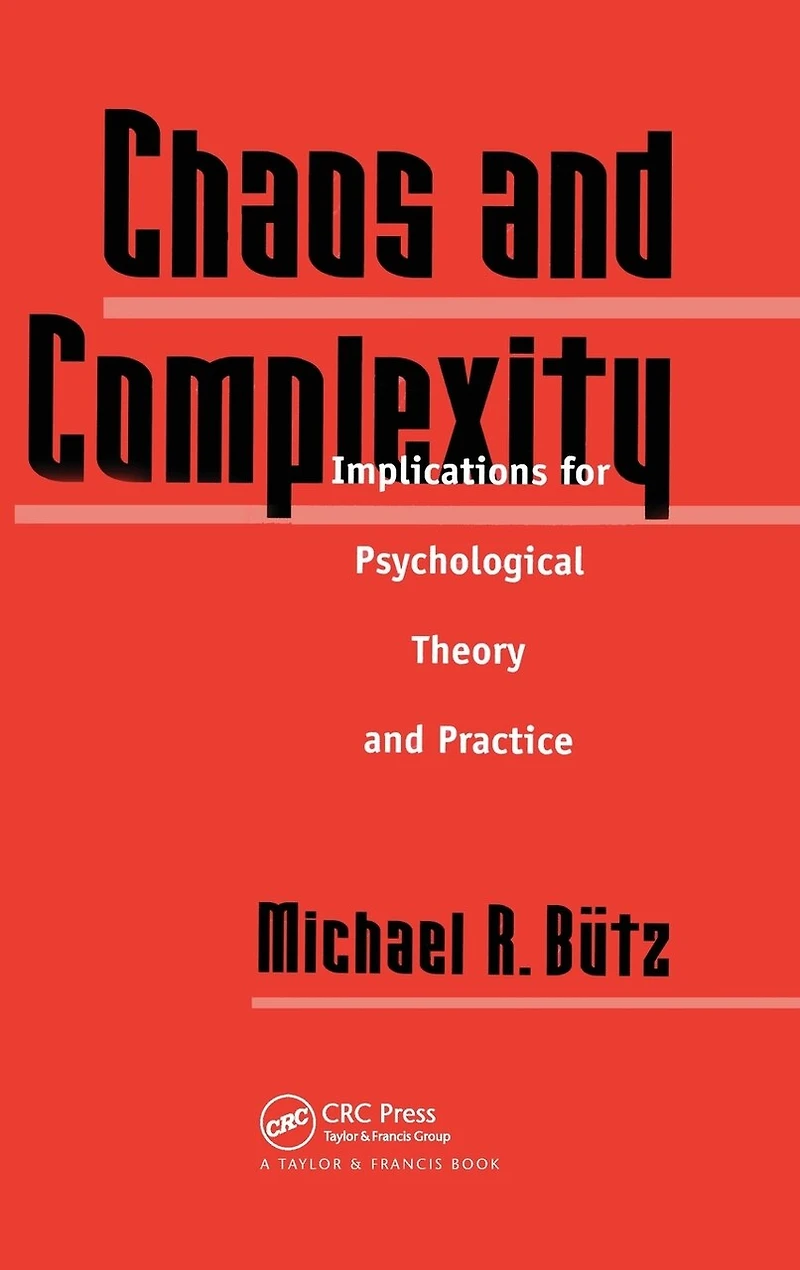
Chaos and Complexity: Implications for Psychological Theory Practice
Current price: $234.00

Chaos and Complexity: Implications for Psychological Theory Practice
Current price: $234.00
Loading Inventory...
Size: Hardcover
*Product information may vary - to confirm product availability, pricing, shipping and return information please contact Indigo
The nature of this book is to emphasize the inherent complexity and richness of the human experience of change. Now, the author believes there to be an acceptable "scientific" explanation for this phenomona. Explored here are 30 years of studies to describe nonlinear dynamics, today termed either chaos theory or complexity theory. The connotations of both theories are discussed at length. Offering social scientists validation in their attempts to describe and define phenomona of a previously ineffable nature, this book explores chaos' implications for psychology and the social sciences. It describes the benefits psychology can glean from using ideas in chaos theory and applying them to psychology in general, individual psycho-therapy, couples therapy, and community psychology, and also considers possible directions for research and application.
The nature of this book is to emphasize the inherent complexity and richness of the human experience of change. Now, the author believes there to be an acceptable "scientific" explanation for this phenomona. Explored here are 30 years of studies to describe nonlinear dynamics, today termed either chaos theory or complexity theory. The connotations of both theories are discussed at length. Offering social scientists validation in their attempts to describe and define phenomona of a previously ineffable nature, this book explores chaos' implications for psychology and the social sciences. It describes the benefits psychology can glean from using ideas in chaos theory and applying them to psychology in general, individual psycho-therapy, couples therapy, and community psychology, and also considers possible directions for research and application.
You May Also Like










More About Indigo at Erin Mills Town Centre
The largest book retailer in Canada also offers toys, music, home décor, gifts and lifestyle products. What's Inside...Books, Magazines, CD’s and DVD’s, Toys and Gifts, Home Accents, Electronics, Baby’s and Children’s Section, Bath and Body, Kitchen and Bedroom, Stationary Located outside in the exterior plaza.
5015 Glen Erin Dr, Mississauga, ON L5M 0R7, Canada
Find Indigo at Erin Mills Town Centre in Mississauga ON
Visit Indigo at Erin Mills Town Centre in Mississauga ON