

GIVE THE PERFECT GIFT
Erin Mills Town Centre Gift Cards are the perfect choice for your gift giving needs.Purchase gift cards at kiosks near the food court or centre court, at Guest Services, or click below to purchase online.PURCHASE HEREHome
Chasing the Pearl-Manuscript: Speculation, Shapes, Delight
Indigo
Loading Inventory...
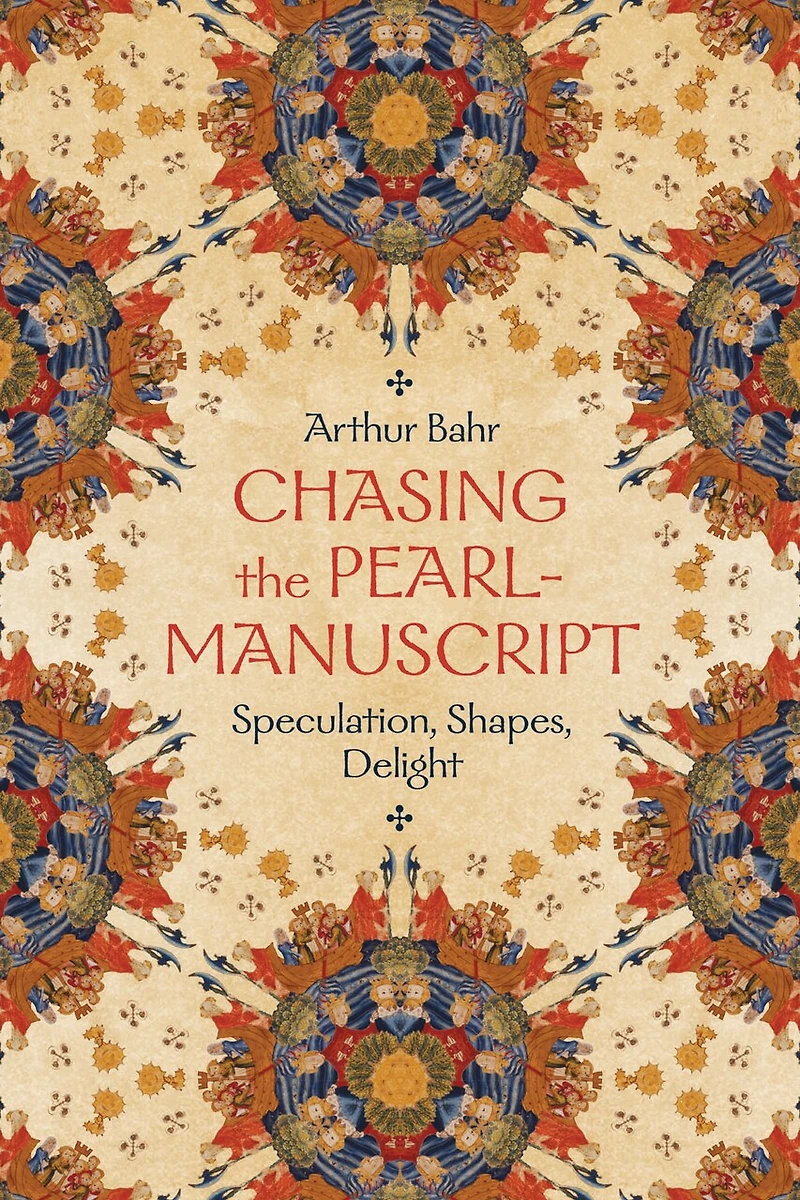
Chasing the Pearl-Manuscript: Speculation, Shapes, Delight
Current price: $58.50

Chasing the Pearl-Manuscript: Speculation, Shapes, Delight
Current price: $58.50
Loading Inventory...
Size: Hardcover
*Product information may vary - to confirm product availability, pricing, shipping and return information please contact Indigo
A unique study of the only physical manuscript containing Sir Gawain and the Green Knight as both a material and literary object.
In this book, Arthur Bahr takes a fresh look at the four poems and twelve illustrations of the so-called “Pearl-Manuscript,” the only surviving medieval copy of two of the best-known Middle English poems: Pearl and Sir Gawain and the Green Knight . In Chasing the Pearl-Manuscript , Bahr explores how the physical manuscript itself enhances our perception of the poetry, drawing on recent technological advances (such as spectroscopic analysis) to show the Pearl-Manuscript to be a more complex piece of material, visual, and textual art than previously understood. By connecting the manuscript’s construction to the intricate language in the texts, Bahr suggests new ways to understand both what poetry is and what poetry can do.
A unique study of the only physical manuscript containing Sir Gawain and the Green Knight as both a material and literary object.
In this book, Arthur Bahr takes a fresh look at the four poems and twelve illustrations of the so-called “Pearl-Manuscript,” the only surviving medieval copy of two of the best-known Middle English poems: Pearl and Sir Gawain and the Green Knight . In Chasing the Pearl-Manuscript , Bahr explores how the physical manuscript itself enhances our perception of the poetry, drawing on recent technological advances (such as spectroscopic analysis) to show the Pearl-Manuscript to be a more complex piece of material, visual, and textual art than previously understood. By connecting the manuscript’s construction to the intricate language in the texts, Bahr suggests new ways to understand both what poetry is and what poetry can do.
You May Also Like







More About Indigo at Erin Mills Town Centre
The largest book retailer in Canada also offers toys, music, home décor, gifts and lifestyle products. What's Inside...Books, Magazines, CD’s and DVD’s, Toys and Gifts, Home Accents, Electronics, Baby’s and Children’s Section, Bath and Body, Kitchen and Bedroom, Stationary Located outside in the exterior plaza.
5015 Glen Erin Dr, Mississauga, ON L5M 0R7, Canada
Find Indigo at Erin Mills Town Centre in Mississauga ON
Visit Indigo at Erin Mills Town Centre in Mississauga ON