

GIVE THE PERFECT GIFT
Erin Mills Town Centre Gift Cards are the perfect choice for your gift giving needs.Purchase gift cards at kiosks near the food court or centre court, at Guest Services, or click below to purchase online.PURCHASE HEREHome
Cheating, Corruption, and Concealment: The Roots of Dishonesty
Indigo
Loading Inventory...
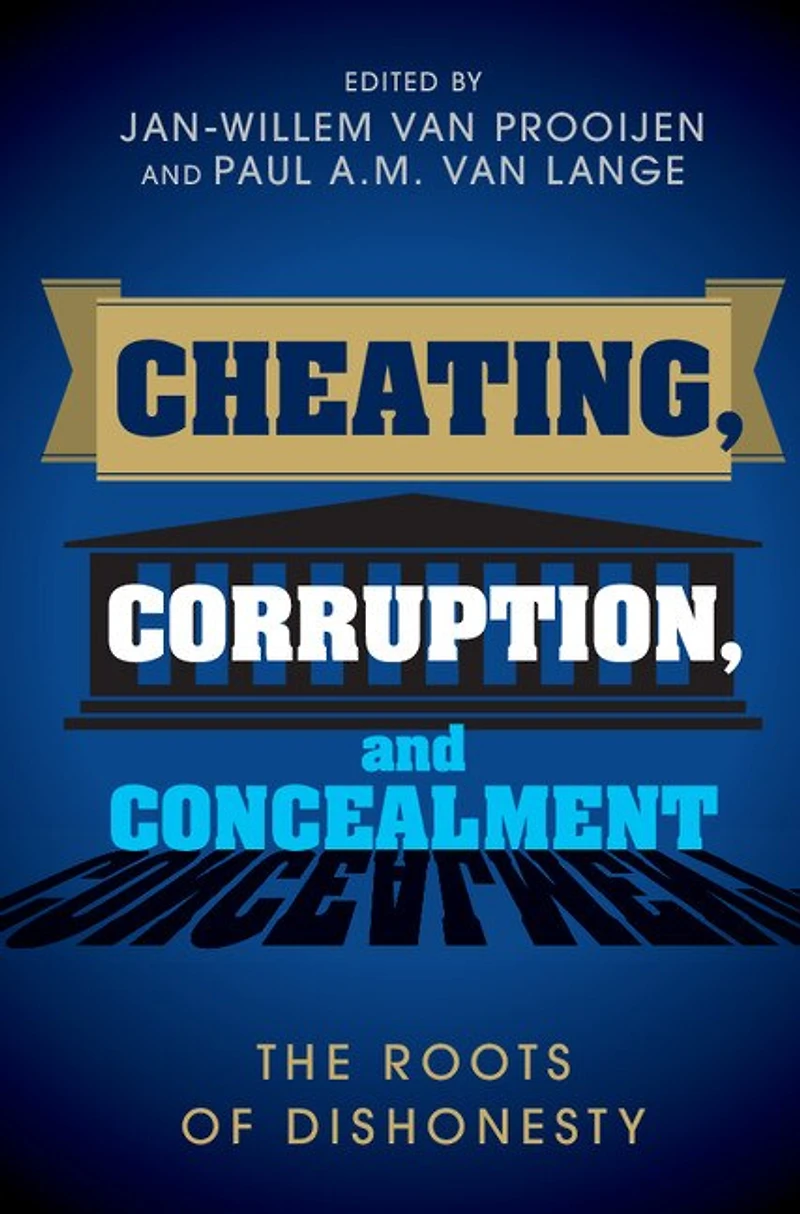
Cheating, Corruption, and Concealment: The Roots of Dishonesty
Current price: $166.95

Cheating, Corruption, and Concealment: The Roots of Dishonesty
Current price: $166.95
Loading Inventory...
Size: Hardcover
*Product information may vary - to confirm product availability, pricing, shipping and return information please contact Indigo
Dishonesty is ubiquitous in our world. The news is frequently filled with high-profile cases of corporate fraud, large-scale corruption, lying politicians, and the hypocrisy of public figures. On a smaller scale, ordinary people often cheat, lie, misreport their taxes, and mislead others in their daily life. Despite such prevalence of cheating, corruption, and concealment, people typically consider themselves to be honest, and often believe themselves to be more moral than most others. This book aims to resolve this paradox by addressing the question of why people are dishonest all too often. What motivates dishonesty, and how are people able to perceive themselves as moral despite their dishonest behaviour? What personality and interpersonal factors make dishonesty more likely? And what can be done to recognise and reduce dishonesty? This is a fascinating overview of state-of-the-art research on dishonesty, with prominent scholars offering their views to clarify the roots of dishonesty.
Dishonesty is ubiquitous in our world. The news is frequently filled with high-profile cases of corporate fraud, large-scale corruption, lying politicians, and the hypocrisy of public figures. On a smaller scale, ordinary people often cheat, lie, misreport their taxes, and mislead others in their daily life. Despite such prevalence of cheating, corruption, and concealment, people typically consider themselves to be honest, and often believe themselves to be more moral than most others. This book aims to resolve this paradox by addressing the question of why people are dishonest all too often. What motivates dishonesty, and how are people able to perceive themselves as moral despite their dishonest behaviour? What personality and interpersonal factors make dishonesty more likely? And what can be done to recognise and reduce dishonesty? This is a fascinating overview of state-of-the-art research on dishonesty, with prominent scholars offering their views to clarify the roots of dishonesty.
You May Also Like













More About Indigo at Erin Mills Town Centre
The largest book retailer in Canada also offers toys, music, home décor, gifts and lifestyle products. What's Inside...Books, Magazines, CD’s and DVD’s, Toys and Gifts, Home Accents, Electronics, Baby’s and Children’s Section, Bath and Body, Kitchen and Bedroom, Stationary Located outside in the exterior plaza.
5015 Glen Erin Dr, Mississauga, ON L5M 0R7, Canada
Find Indigo at Erin Mills Town Centre in Mississauga ON
Visit Indigo at Erin Mills Town Centre in Mississauga ON