

GIVE THE PERFECT GIFT
Erin Mills Town Centre Gift Cards are the perfect choice for your gift giving needs.Purchase gift cards at kiosks near the food court or centre court, at Guest Services, or click below to purchase online.PURCHASE HEREHome
Childrenʼs Rights and Education: International Perspectives
Indigo
Loading Inventory...
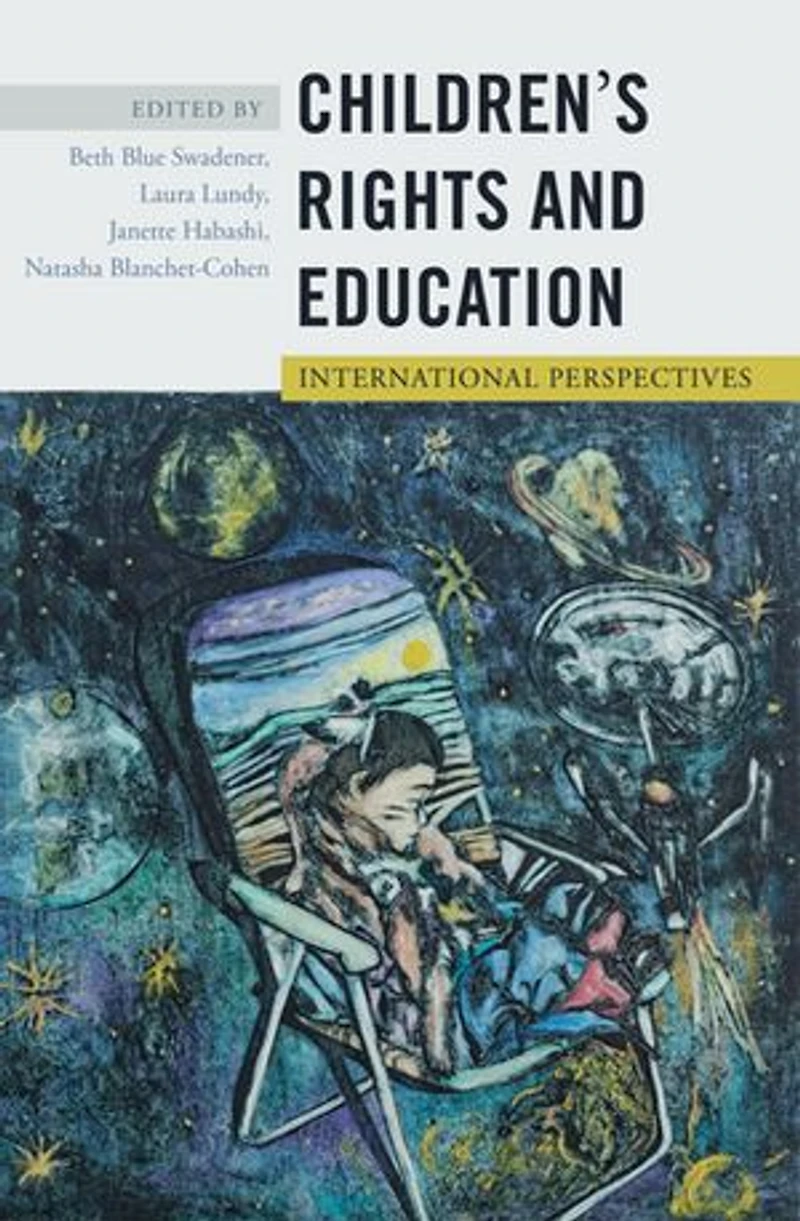
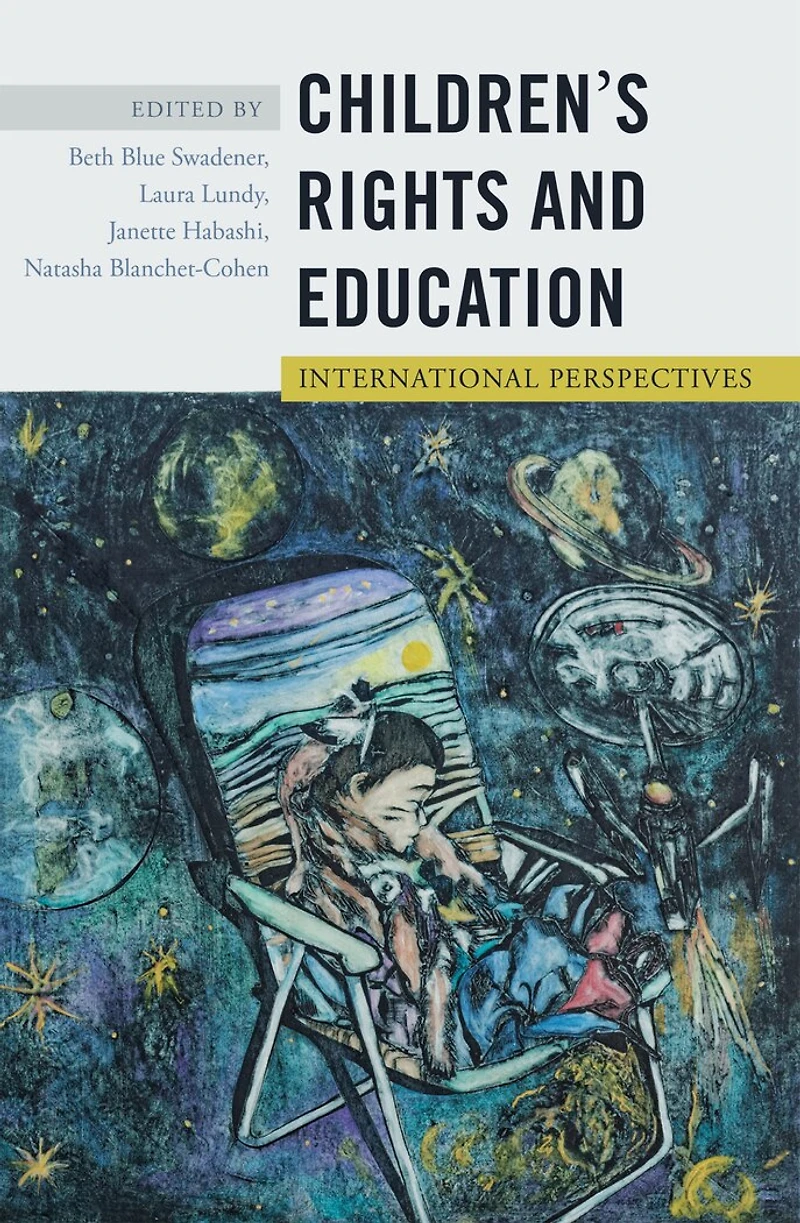
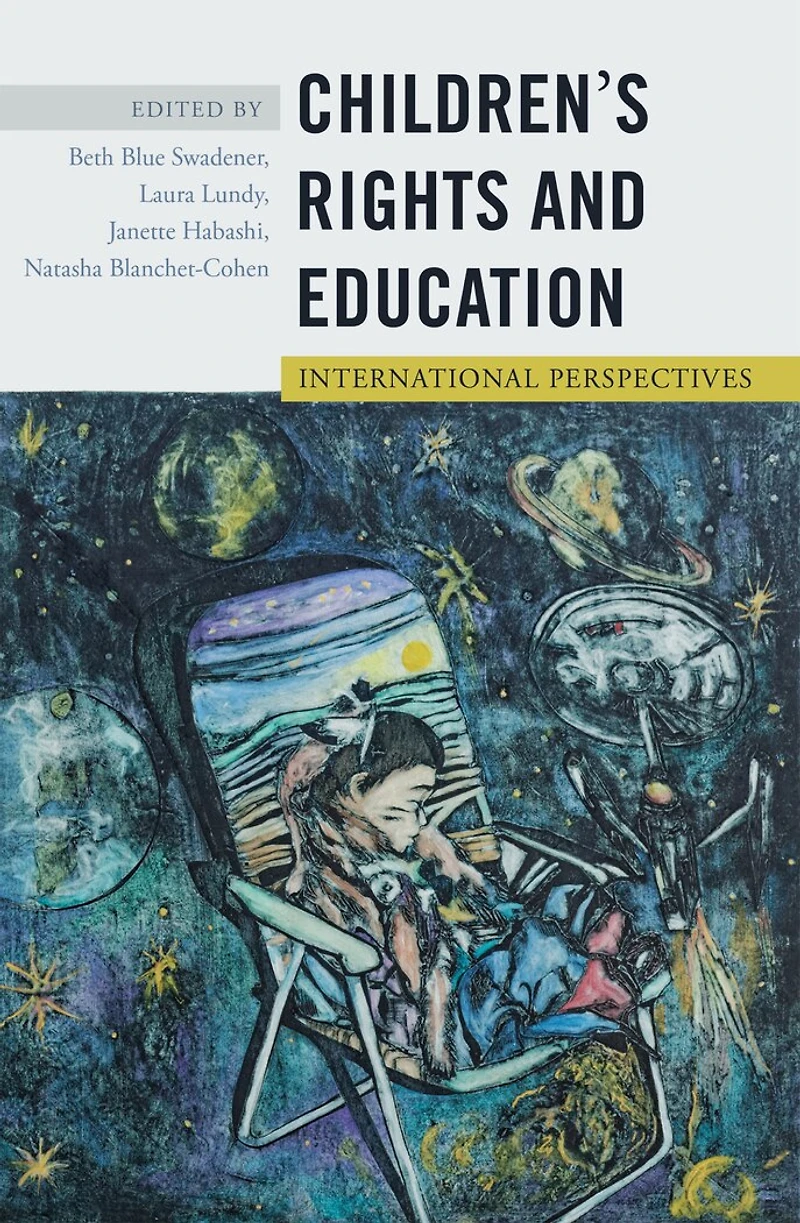
Childrenʼs Rights and Education: International Perspectives
Current price: $50.79
Original price: $63.38

Childrenʼs Rights and Education: International Perspectives
Current price: $50.79
Original price: $63.38
Loading Inventory...
Size: Kobo eBook
*Product information may vary - to confirm product availability, pricing, shipping and return information please contact Indigo
This book compares ways in which children’s rights in, to, and through education, formal and informal, are viewed and implemented in a variety of social and political contexts, aiming to shed light on how policies and practices can improve equal access to high quality education in an environment which is respectful of children’s rights. Chapters focus on understanding the opportunities for and challenges of addressing children’s rights to participation and to inclusion. Authors draw from a variety of disciplines, including critical and cultural studies of childhood, and bring internationally comparative policy perspectives to share nuanced and contrasting examples of ways in which a rights-based approach to education might empower children and youth. The book deepens and complicates research on children’s education rights, and will contribute to courses in comparative education, childhood studies, education policy, and children’s rights.
This book compares ways in which children’s rights in, to, and through education, formal and informal, are viewed and implemented in a variety of social and political contexts, aiming to shed light on how policies and practices can improve equal access to high quality education in an environment which is respectful of children’s rights. Chapters focus on understanding the opportunities for and challenges of addressing children’s rights to participation and to inclusion. Authors draw from a variety of disciplines, including critical and cultural studies of childhood, and bring internationally comparative policy perspectives to share nuanced and contrasting examples of ways in which a rights-based approach to education might empower children and youth. The book deepens and complicates research on children’s education rights, and will contribute to courses in comparative education, childhood studies, education policy, and children’s rights.
You May Also Like







More About Indigo at Erin Mills Town Centre
The largest book retailer in Canada also offers toys, music, home décor, gifts and lifestyle products. What's Inside...Books, Magazines, CD’s and DVD’s, Toys and Gifts, Home Accents, Electronics, Baby’s and Children’s Section, Bath and Body, Kitchen and Bedroom, Stationary Located outside in the exterior plaza.
5015 Glen Erin Dr, Mississauga, ON L5M 0R7, Canada
Find Indigo at Erin Mills Town Centre in Mississauga ON
Visit Indigo at Erin Mills Town Centre in Mississauga ON