

GIVE THE PERFECT GIFT
Erin Mills Town Centre Gift Cards are the perfect choice for your gift giving needs.Purchase gift cards at kiosks near the food court or centre court, at Guest Services, or click below to purchase online.PURCHASE HEREHome
Chin: Cello Concerto HPS 1576 Study Score
Indigo
Loading Inventory...
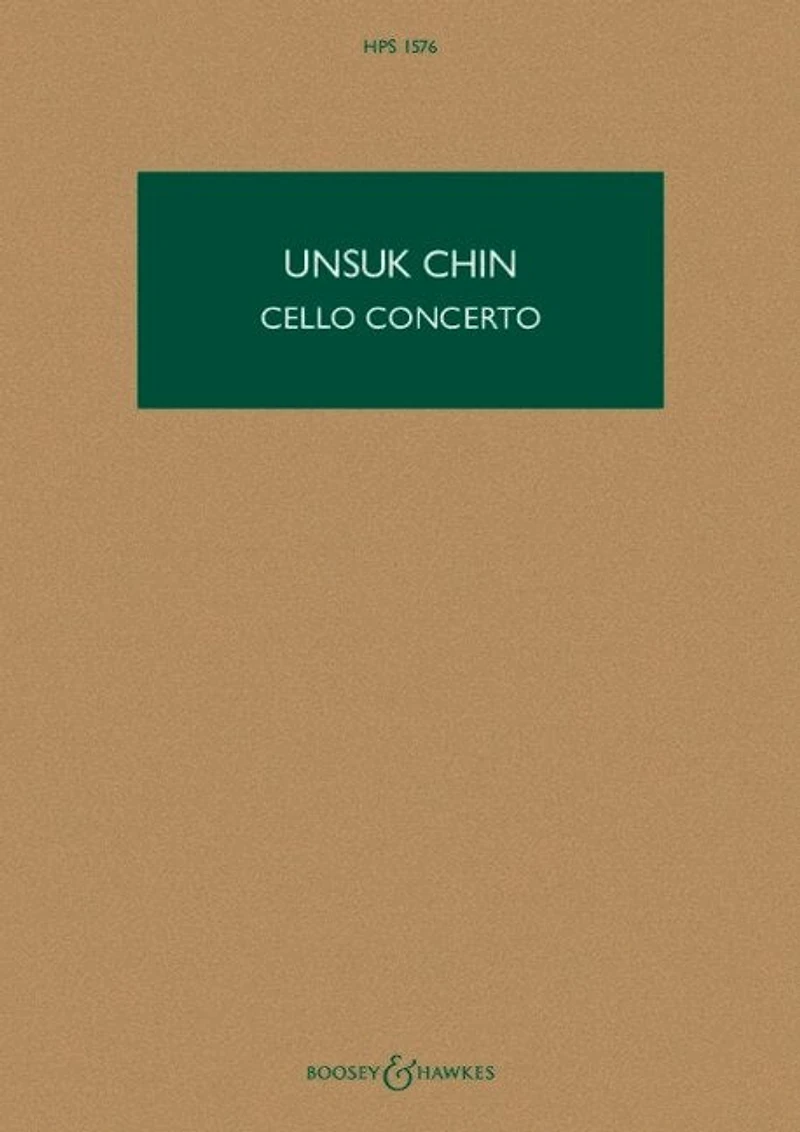
Chin: Cello Concerto HPS 1576 Study Score
Current price: $93.60

Chin: Cello Concerto HPS 1576 Study Score
Current price: $93.60
Loading Inventory...
Size: Paperback
*Product information may vary - to confirm product availability, pricing, shipping and return information please contact Indigo
(Boosey & Hawkes Scores/Books). The composer states that her Cello Concerto is antithetical to her other concertos. "While in the concertos for violin and piano, in the Double Concerto, and in my new sheng concerto I was seeking to merge the solo instrument and the orchestra into a single virtuoso super-instrument, here it's all about the competitive tension between the soloist and the orchestra. The 'aura' of the cello was the initial nucleus and forms the basis of the music, so the whole structure of the piece is thus 'carried' by the cello. However, the orchestra responds to it in an antagonistic way. This antagonism is much stronger than in traditional Classical-Romantic concertos; one could even speak of a 'psychological warfare' between soloist and orchestra. In my cello writing, I often ask the soloist to disguise the nature of the instrument so the perception can be blurred. I try to explore the boundaries of the cello's expressivity and to broaden the definition of 'expression'. Therefore I also use special playing techniques and call for unusual timbres, including noises and rasping sounds. For me, this actually serves the expressivity by suggesting new meanings. The unique artistry of Alban Gerhardt inspired me immensely. Not only his solo part but also the orchestral parts are often characterized by extreme virtuosity, by the idea of the instrumentalists being pushed to the edge."
(Boosey & Hawkes Scores/Books). The composer states that her Cello Concerto is antithetical to her other concertos. "While in the concertos for violin and piano, in the Double Concerto, and in my new sheng concerto I was seeking to merge the solo instrument and the orchestra into a single virtuoso super-instrument, here it's all about the competitive tension between the soloist and the orchestra. The 'aura' of the cello was the initial nucleus and forms the basis of the music, so the whole structure of the piece is thus 'carried' by the cello. However, the orchestra responds to it in an antagonistic way. This antagonism is much stronger than in traditional Classical-Romantic concertos; one could even speak of a 'psychological warfare' between soloist and orchestra. In my cello writing, I often ask the soloist to disguise the nature of the instrument so the perception can be blurred. I try to explore the boundaries of the cello's expressivity and to broaden the definition of 'expression'. Therefore I also use special playing techniques and call for unusual timbres, including noises and rasping sounds. For me, this actually serves the expressivity by suggesting new meanings. The unique artistry of Alban Gerhardt inspired me immensely. Not only his solo part but also the orchestral parts are often characterized by extreme virtuosity, by the idea of the instrumentalists being pushed to the edge."
You May Also Like
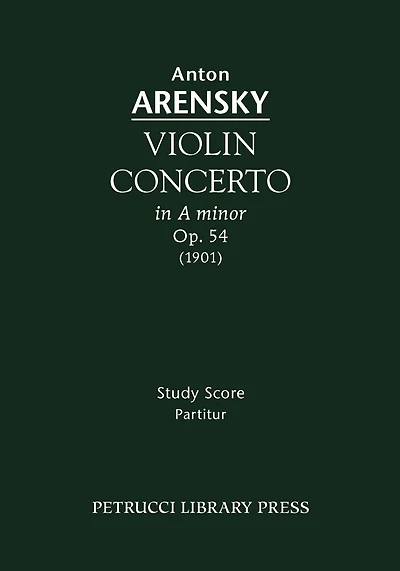
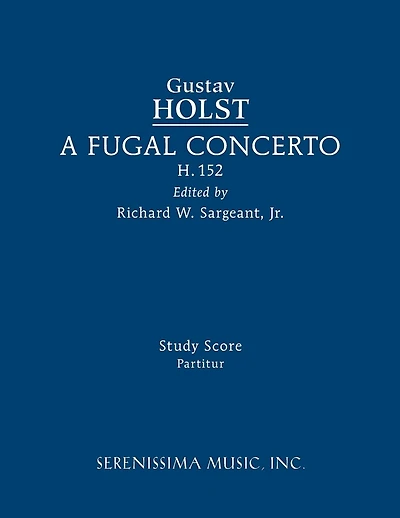
![The Sorcerer's Apprentice [l'apprenti Sorcier]: Study Score](https://cdn.mall.adeptmind.ai/https%253A%252F%252Fcdn.shopify.com%252Fs%252Ffiles%252F1%252F0655%252F8980%252F5233%252Ffiles%252F1_701838ae-ddb4-4439-9047-1b44df49cb57.jpg_medium.webp)









More About Indigo at Erin Mills Town Centre
The largest book retailer in Canada also offers toys, music, home décor, gifts and lifestyle products. What's Inside...Books, Magazines, CD’s and DVD’s, Toys and Gifts, Home Accents, Electronics, Baby’s and Children’s Section, Bath and Body, Kitchen and Bedroom, Stationary Located outside in the exterior plaza.
5015 Glen Erin Dr, Mississauga, ON L5M 0R7, Canada
Find Indigo at Erin Mills Town Centre in Mississauga ON
Visit Indigo at Erin Mills Town Centre in Mississauga ON