

GIVE THE PERFECT GIFT
Erin Mills Town Centre Gift Cards are the perfect choice for your gift giving needs.Purchase gift cards at kiosks near the food court or centre court, at Guest Services, or click below to purchase online.PURCHASE HEREHome
China and Its Small Neighbors: The Political Economy of Asymmetry, Vulnerability, Hedging
Indigo
Loading Inventory...
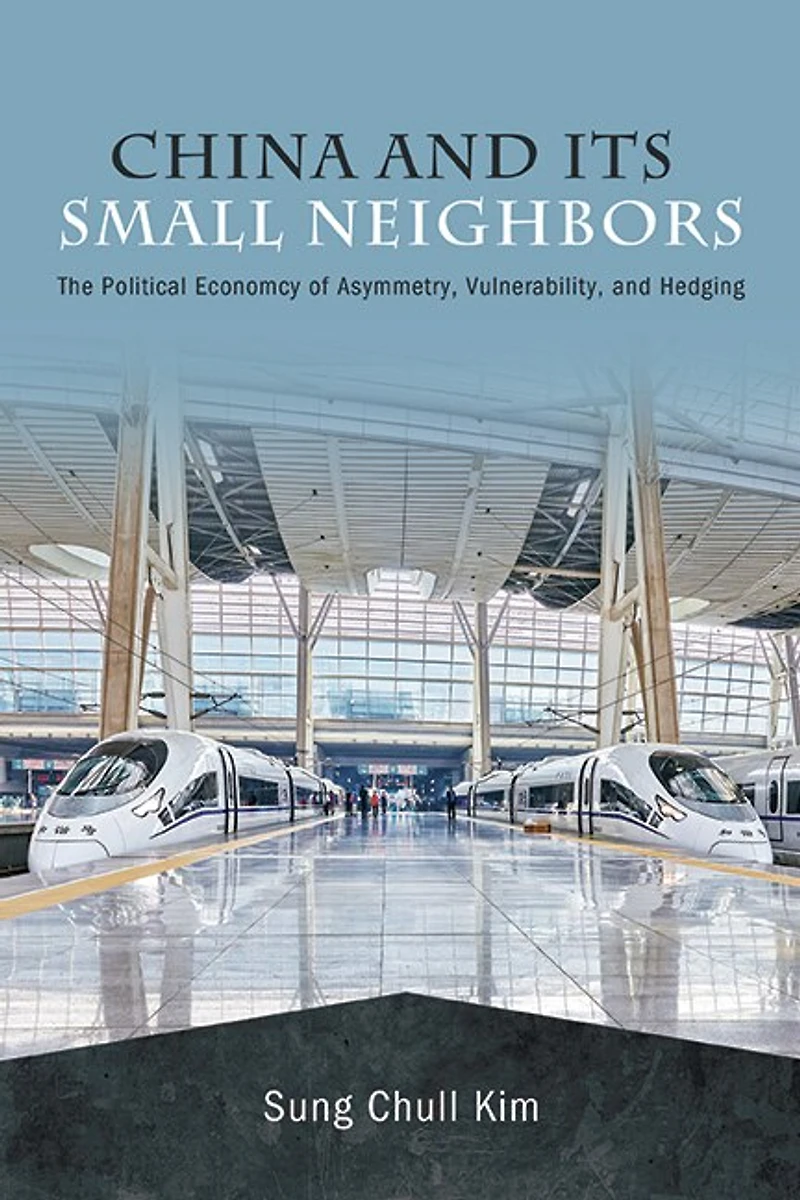
China and Its Small Neighbors: The Political Economy of Asymmetry, Vulnerability, Hedging
Current price: $135.95

China and Its Small Neighbors: The Political Economy of Asymmetry, Vulnerability, Hedging
Current price: $135.95
Loading Inventory...
Size: Hardcover
*Product information may vary - to confirm product availability, pricing, shipping and return information please contact Indigo
In
, Sung Chull Kim examines the political implications of the economic asymmetry between China and its small neighbors, part of wider changes in international relations brought about by the rise of China. While being critical of the current trend that focuses on the China-U.S. rivalry alone, Kim argues that a microanalysis of China's advances toward its neighbors is a guide to understanding the trajectory of China's expanding influence and transitions in world politics more broadly. Economic asymmetry-as seen in trade concentration, non-transparency, and reliance on bilateral aid-has made China's small neighbors vulnerable on the political front, thus generating potential threats to their sovereignty and independence. Because China has the upper hand in the bilateral relationships, these weak states practice dual-core hedging as a strategy for survival. They hedge on China for expected economic benefits and at the same time hedge against their powerful neighbor to mitigate the risks involved in that hedging-on. Each small state's mode of hedging depends on its degree of vulnerability and its availability of policy instruments such as multilateral institutions and bilateral partnerships with extra-regional powers.
In
, Sung Chull Kim examines the political implications of the economic asymmetry between China and its small neighbors, part of wider changes in international relations brought about by the rise of China. While being critical of the current trend that focuses on the China-U.S. rivalry alone, Kim argues that a microanalysis of China's advances toward its neighbors is a guide to understanding the trajectory of China's expanding influence and transitions in world politics more broadly. Economic asymmetry-as seen in trade concentration, non-transparency, and reliance on bilateral aid-has made China's small neighbors vulnerable on the political front, thus generating potential threats to their sovereignty and independence. Because China has the upper hand in the bilateral relationships, these weak states practice dual-core hedging as a strategy for survival. They hedge on China for expected economic benefits and at the same time hedge against their powerful neighbor to mitigate the risks involved in that hedging-on. Each small state's mode of hedging depends on its degree of vulnerability and its availability of policy instruments such as multilateral institutions and bilateral partnerships with extra-regional powers.
You May Also Like







More About Indigo at Erin Mills Town Centre
The largest book retailer in Canada also offers toys, music, home décor, gifts and lifestyle products. What's Inside...Books, Magazines, CD’s and DVD’s, Toys and Gifts, Home Accents, Electronics, Baby’s and Children’s Section, Bath and Body, Kitchen and Bedroom, Stationary Located outside in the exterior plaza.
5015 Glen Erin Dr, Mississauga, ON L5M 0R7, Canada
Find Indigo at Erin Mills Town Centre in Mississauga ON
Visit Indigo at Erin Mills Town Centre in Mississauga ON