

GIVE THE PERFECT GIFT
Erin Mills Town Centre Gift Cards are the perfect choice for your gift giving needs.Purchase gift cards at kiosks near the food court or centre court, at Guest Services, or click below to purchase online.PURCHASE HEREHome
China's Lonely Revolution: The Local Communist Movement of Hainan Island, 1926-1956
Indigo
Loading Inventory...
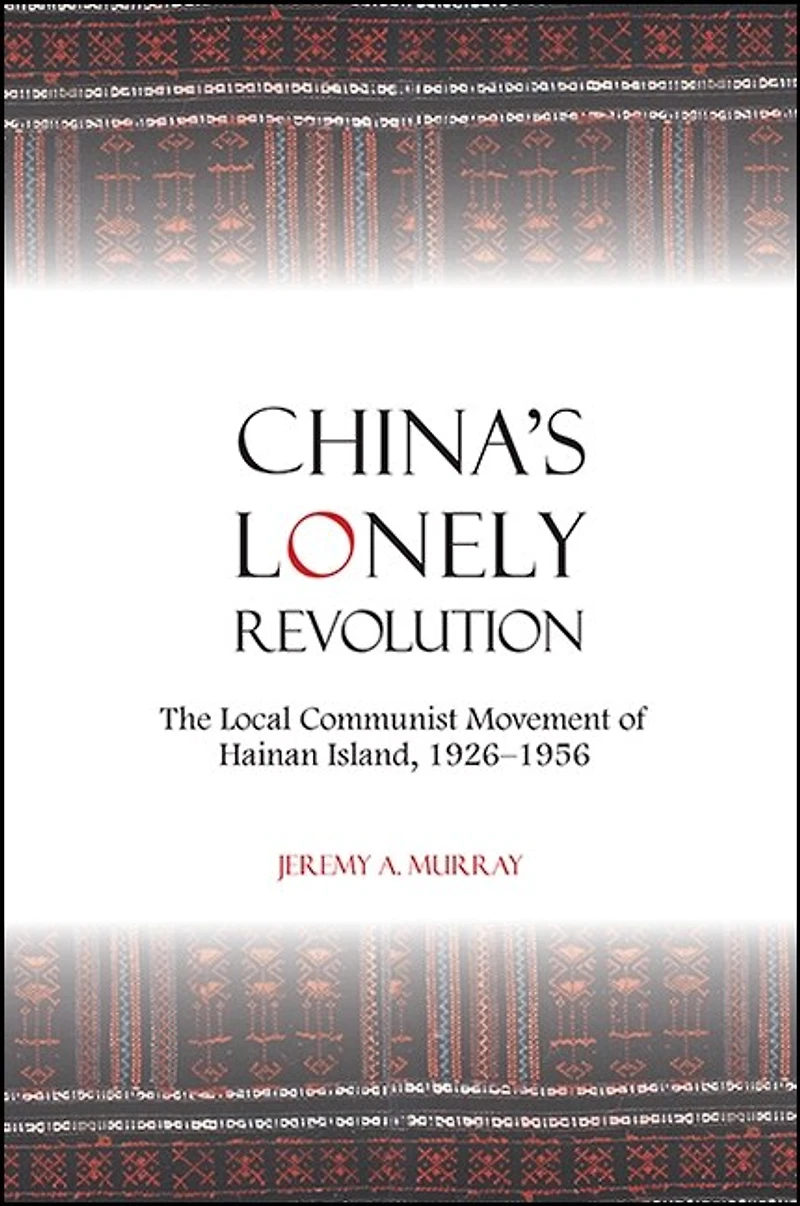
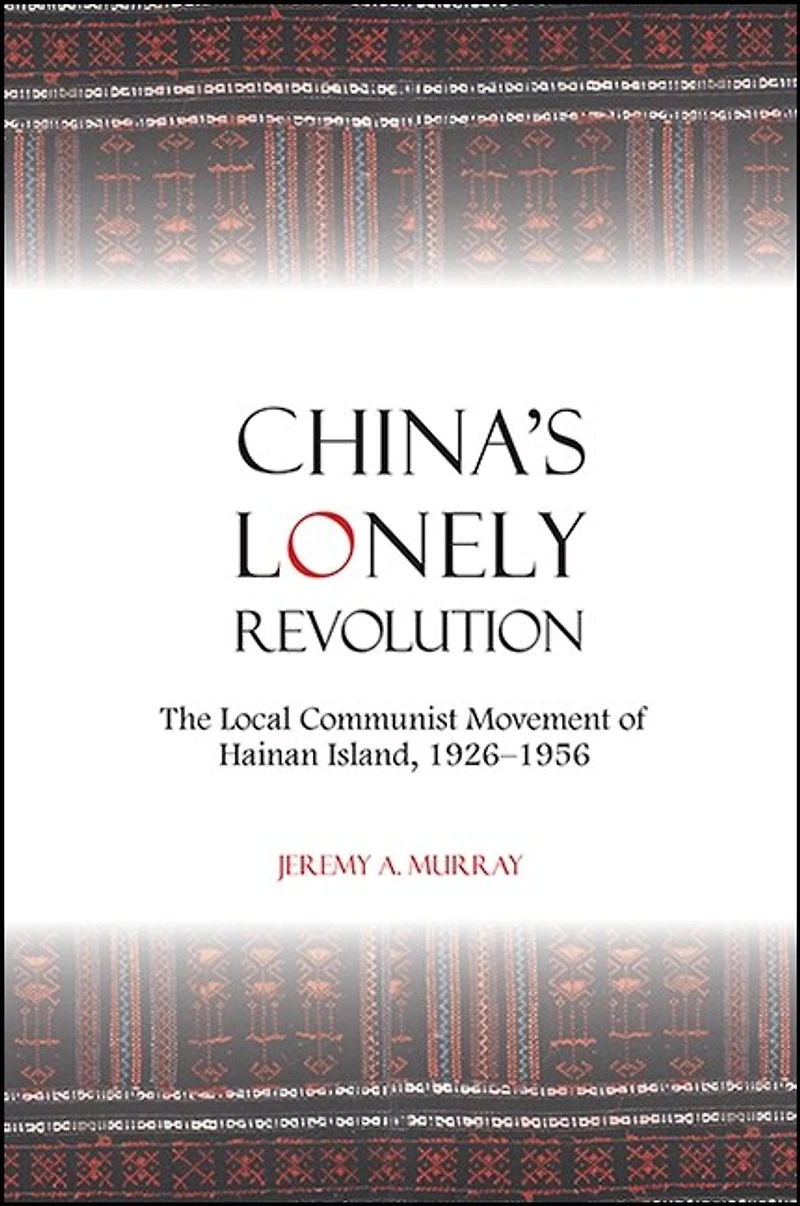
China's Lonely Revolution: The Local Communist Movement of Hainan Island, 1926-1956
Current price: $135.95

China's Lonely Revolution: The Local Communist Movement of Hainan Island, 1926-1956
Current price: $135.95
Loading Inventory...
Size: Hardcover
*Product information may vary - to confirm product availability, pricing, shipping and return information please contact Indigo
Jeremy A. Murray's study of local Communist revolutionaries in Hainan between 1926 and 1956 provides a window into the diversity and complexity of the Chinese revolution. Long at the margins of the Chinese state, Hainan was once known by mainlanders only for its malarial climate and fierce indigenous people. In spite of efforts by the Chinese Nationalists and the Japanese to exterminate Hainan's Communists, the movement survived because of an alliance with the indigenous Li. For years it persevered, though in complete isolation from Communist headquarters on the mainland. Using Chinese-language sources, archival materials, and interviews, Murray draws a vivid picture of this movement from the Hainanese perspective, and broadens our understanding of how patriotism, Party loyalty, and Chinese identity have been experienced and interpreted in modern China.
Jeremy A. Murray's study of local Communist revolutionaries in Hainan between 1926 and 1956 provides a window into the diversity and complexity of the Chinese revolution. Long at the margins of the Chinese state, Hainan was once known by mainlanders only for its malarial climate and fierce indigenous people. In spite of efforts by the Chinese Nationalists and the Japanese to exterminate Hainan's Communists, the movement survived because of an alliance with the indigenous Li. For years it persevered, though in complete isolation from Communist headquarters on the mainland. Using Chinese-language sources, archival materials, and interviews, Murray draws a vivid picture of this movement from the Hainanese perspective, and broadens our understanding of how patriotism, Party loyalty, and Chinese identity have been experienced and interpreted in modern China.
You May Also Like








More About Indigo at Erin Mills Town Centre
The largest book retailer in Canada also offers toys, music, home décor, gifts and lifestyle products. What's Inside...Books, Magazines, CD’s and DVD’s, Toys and Gifts, Home Accents, Electronics, Baby’s and Children’s Section, Bath and Body, Kitchen and Bedroom, Stationary Located outside in the exterior plaza.
5015 Glen Erin Dr, Mississauga, ON L5M 0R7, Canada
Find Indigo at Erin Mills Town Centre in Mississauga ON
Visit Indigo at Erin Mills Town Centre in Mississauga ON