

GIVE THE PERFECT GIFT
Erin Mills Town Centre Gift Cards are the perfect choice for your gift giving needs.Purchase gift cards at kiosks near the food court or centre court, at Guest Services, or click below to purchase online.PURCHASE HEREHome
China's Path to Development: Against Neoliberalism
Indigo
Loading Inventory...
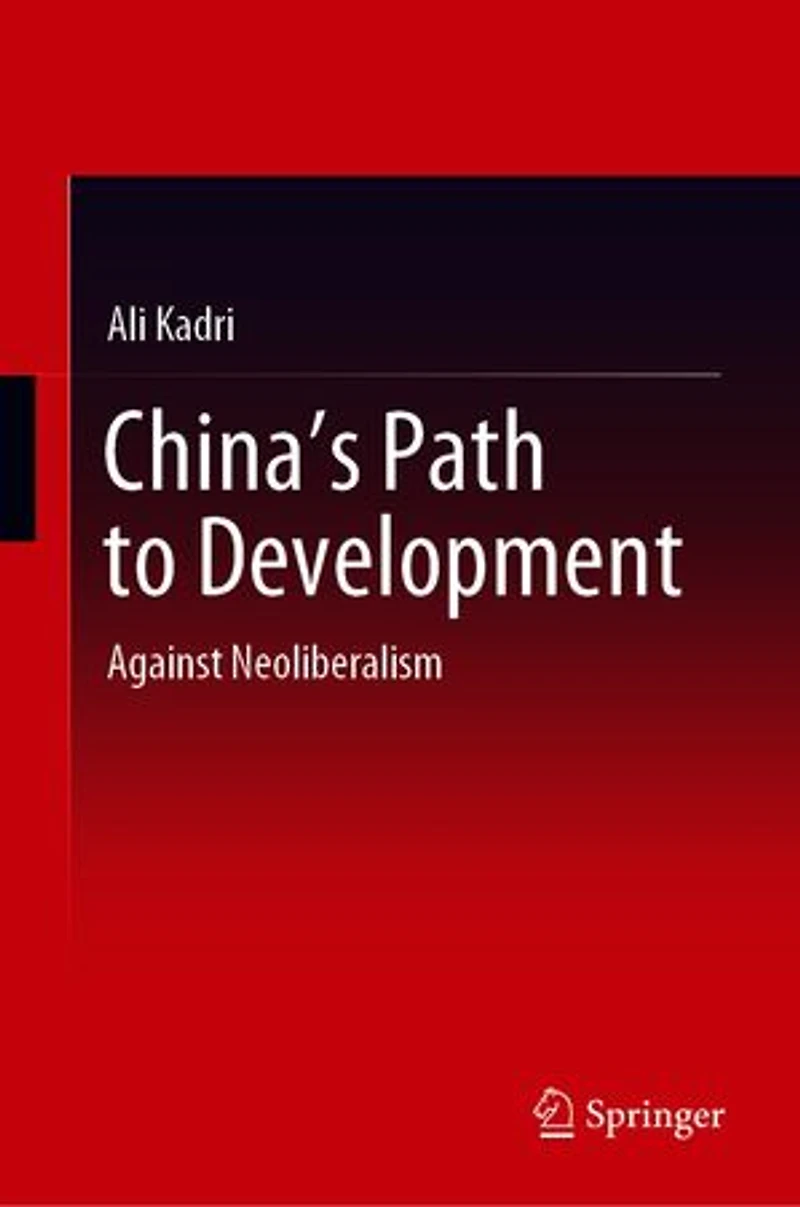
China's Path to Development: Against Neoliberalism
Current price: $116.09
Original price: $145.12

China's Path to Development: Against Neoliberalism
Current price: $116.09
Original price: $145.12
Loading Inventory...
Size: Kobo eBook
*Product information may vary - to confirm product availability, pricing, shipping and return information please contact Indigo
This book is a treatise against neoliberalism illuminated by the path of China. China is a model to be mimicked, but more so theoretically than by replication. If anything, nations of the global South must rid themselves of neoliberally imposed 'one-size-fits all' models, instrumentalised to shift value to US empire. Neoliberal models, robbing nations of their histories and resources, are negative 'best practice' serving the interests of the hegemon. Developing nations need to search for the theory that corresponds to their own conditions and development strategies. China's experience, anchored in labour as the historical agent, offers numerous theoretical cues as to how to build comparable home-grown paths. Thinking development with a subject voids reductionist politics in favour of sober class analysis. The study concludes by restating the age-old wisdom that there is no development without the rule of labour.
This book is a treatise against neoliberalism illuminated by the path of China. China is a model to be mimicked, but more so theoretically than by replication. If anything, nations of the global South must rid themselves of neoliberally imposed 'one-size-fits all' models, instrumentalised to shift value to US empire. Neoliberal models, robbing nations of their histories and resources, are negative 'best practice' serving the interests of the hegemon. Developing nations need to search for the theory that corresponds to their own conditions and development strategies. China's experience, anchored in labour as the historical agent, offers numerous theoretical cues as to how to build comparable home-grown paths. Thinking development with a subject voids reductionist politics in favour of sober class analysis. The study concludes by restating the age-old wisdom that there is no development without the rule of labour.
You May Also Like








More About Indigo at Erin Mills Town Centre
The largest book retailer in Canada also offers toys, music, home décor, gifts and lifestyle products. What's Inside...Books, Magazines, CD’s and DVD’s, Toys and Gifts, Home Accents, Electronics, Baby’s and Children’s Section, Bath and Body, Kitchen and Bedroom, Stationary Located outside in the exterior plaza.
5015 Glen Erin Dr, Mississauga, ON L5M 0R7, Canada
Find Indigo at Erin Mills Town Centre in Mississauga ON
Visit Indigo at Erin Mills Town Centre in Mississauga ON