

GIVE THE PERFECT GIFT
Erin Mills Town Centre Gift Cards are the perfect choice for your gift giving needs.Purchase gift cards at kiosks near the food court or centre court, at Guest Services, or click below to purchase online.PURCHASE HEREHome
Choral Tragedy: Greek Poetics and Musical Ritual
Indigo
Loading Inventory...
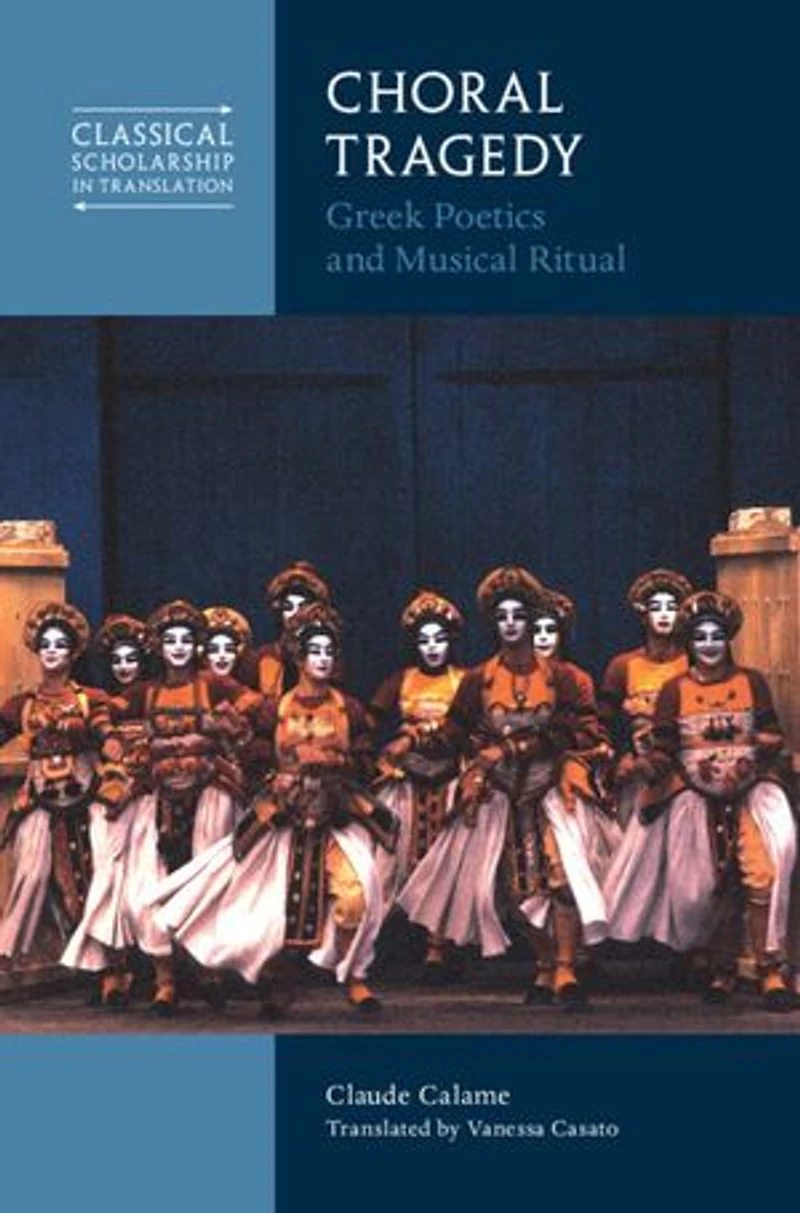
Choral Tragedy: Greek Poetics and Musical Ritual
Current price: $30.39
Original price: $37.95

Choral Tragedy: Greek Poetics and Musical Ritual
Current price: $30.39
Original price: $37.95
Loading Inventory...
Size: Kobo eBook
*Product information may vary - to confirm product availability, pricing, shipping and return information please contact Indigo
Ever since Aristotle opened the discussion on the role of the chorus in Greek tragedy, theories of the chorus have continued to proliferate and provoke debate to this day. The tragic chorus had its own story to tell; it was a collective identity, speaking within and to a collective citizen body, acting as an instrument through which stories of other times and places were dramatized into resonant heroic narratives for contemporary Athens. By including detailed case studies of three different tragedies (one each by Aeschylus, Euripides and Sophocles), Claude Calame's seminal study not only re-examines the role of the chorus in Greek tragedy, but pushes beyond this to argue for the 'polyphony' of choral performance. Here, he explores the fundamentally choral nature of the genre, and its deep connection to the cultic and ritual contexts in which tragedy was performed.
Ever since Aristotle opened the discussion on the role of the chorus in Greek tragedy, theories of the chorus have continued to proliferate and provoke debate to this day. The tragic chorus had its own story to tell; it was a collective identity, speaking within and to a collective citizen body, acting as an instrument through which stories of other times and places were dramatized into resonant heroic narratives for contemporary Athens. By including detailed case studies of three different tragedies (one each by Aeschylus, Euripides and Sophocles), Claude Calame's seminal study not only re-examines the role of the chorus in Greek tragedy, but pushes beyond this to argue for the 'polyphony' of choral performance. Here, he explores the fundamentally choral nature of the genre, and its deep connection to the cultic and ritual contexts in which tragedy was performed.
You May Also Like







More About Indigo at Erin Mills Town Centre
The largest book retailer in Canada also offers toys, music, home décor, gifts and lifestyle products. What's Inside...Books, Magazines, CD’s and DVD’s, Toys and Gifts, Home Accents, Electronics, Baby’s and Children’s Section, Bath and Body, Kitchen and Bedroom, Stationary Located outside in the exterior plaza.
5015 Glen Erin Dr, Mississauga, ON L5M 0R7, Canada
Find Indigo at Erin Mills Town Centre in Mississauga ON
Visit Indigo at Erin Mills Town Centre in Mississauga ON