

GIVE THE PERFECT GIFT
Erin Mills Town Centre Gift Cards are the perfect choice for your gift giving needs.Purchase gift cards at kiosks near the food court or centre court, at Guest Services, or click below to purchase online.PURCHASE HEREHome
Christianity and Confucianism: Two Paradigms of Religious Existential Ethics
Indigo
Loading Inventory...
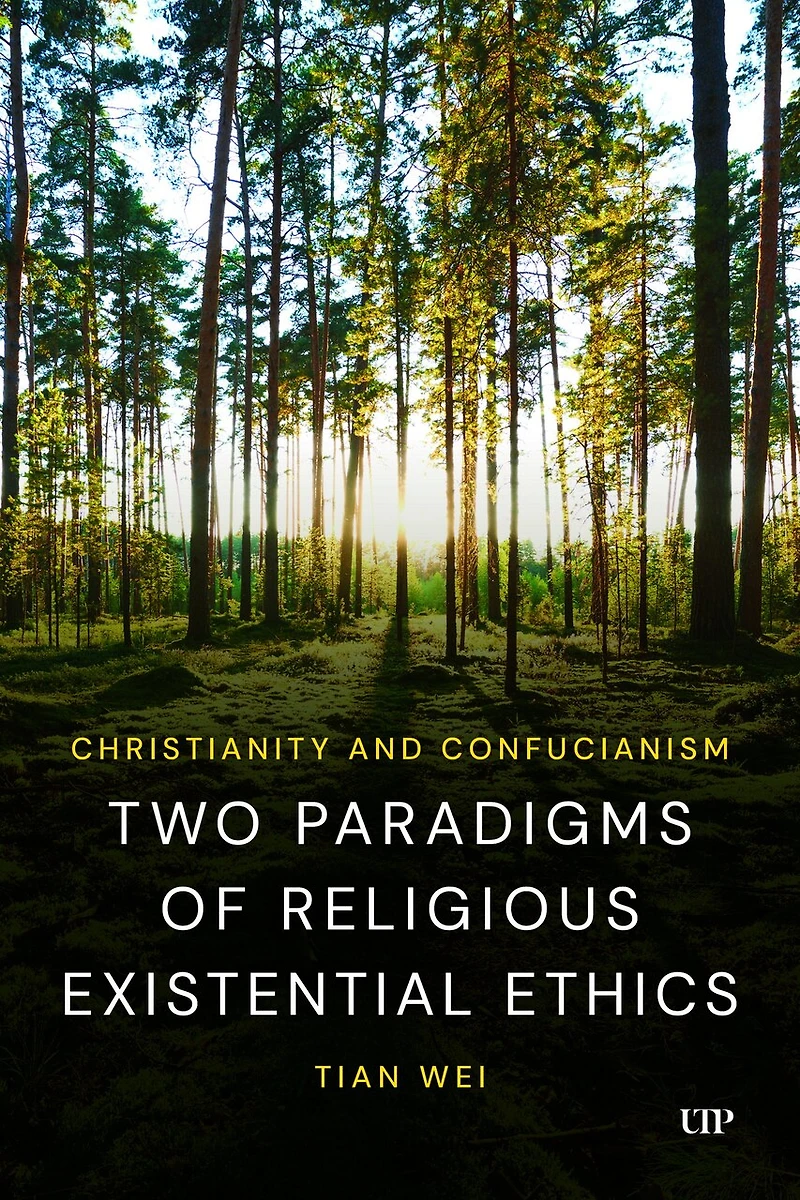
Christianity and Confucianism: Two Paradigms of Religious Existential Ethics
Current price: $85.00

Christianity and Confucianism: Two Paradigms of Religious Existential Ethics
Current price: $85.00
Loading Inventory...
Size: Hardcover
*Product information may vary - to confirm product availability, pricing, shipping and return information please contact Indigo
In this book, philosopher Tian Wei asks the central question of what constitutes religious existential ethics. Tian investigates Christian ethics and Confucian ethics, so as to understand and expound them as forms of religious existential ethics.
The book integrates two paradigms into the framework of religious existential ethics at the metaphysical level, viewing them as a kind of religious existential ethics but with variable thoughts and models. The concept of religious existential ethics points to a universal and fundamental value-based existential order grounded on ultimacy and oriented towards transcendence. Based on the development of the Christian Bible and modern theology as well as the Four Books of Confucianism and other ideology texts, this book confronts some fundamental lines of inquiry, including: God in Christianity and destiny in Confucianism, sin in Christianity and goodness in Confucianism, and salvation through others in Christianity and self-cultivation in Confucianism. Further chapters also shed light on the ideas of God’s love in Christianity and benevolence in Confucianism and the hope of eternal life in Christianity and the pursuit of immortality in Confucianism.
Ultimately, through religious existential ethics, Tian demonstrates how despite the conceptual intersections between Christianity and Confucianism, each has developed distinctly, with manifold spiritual implications.
In this book, philosopher Tian Wei asks the central question of what constitutes religious existential ethics. Tian investigates Christian ethics and Confucian ethics, so as to understand and expound them as forms of religious existential ethics.
The book integrates two paradigms into the framework of religious existential ethics at the metaphysical level, viewing them as a kind of religious existential ethics but with variable thoughts and models. The concept of religious existential ethics points to a universal and fundamental value-based existential order grounded on ultimacy and oriented towards transcendence. Based on the development of the Christian Bible and modern theology as well as the Four Books of Confucianism and other ideology texts, this book confronts some fundamental lines of inquiry, including: God in Christianity and destiny in Confucianism, sin in Christianity and goodness in Confucianism, and salvation through others in Christianity and self-cultivation in Confucianism. Further chapters also shed light on the ideas of God’s love in Christianity and benevolence in Confucianism and the hope of eternal life in Christianity and the pursuit of immortality in Confucianism.
Ultimately, through religious existential ethics, Tian demonstrates how despite the conceptual intersections between Christianity and Confucianism, each has developed distinctly, with manifold spiritual implications.
You May Also Like







More About Indigo at Erin Mills Town Centre
The largest book retailer in Canada also offers toys, music, home décor, gifts and lifestyle products. What's Inside...Books, Magazines, CD’s and DVD’s, Toys and Gifts, Home Accents, Electronics, Baby’s and Children’s Section, Bath and Body, Kitchen and Bedroom, Stationary Located outside in the exterior plaza.
5015 Glen Erin Dr, Mississauga, ON L5M 0R7, Canada
Find Indigo at Erin Mills Town Centre in Mississauga ON
Visit Indigo at Erin Mills Town Centre in Mississauga ON