

GIVE THE PERFECT GIFT
Erin Mills Town Centre Gift Cards are the perfect choice for your gift giving needs.Purchase gift cards at kiosks near the food court or centre court, at Guest Services, or click below to purchase online.PURCHASE HEREHome
Chronobiology and Chronomedicine: From Molecular Cellular Mechanisms to Whole Body Interdigitating Networks
Indigo
Loading Inventory...
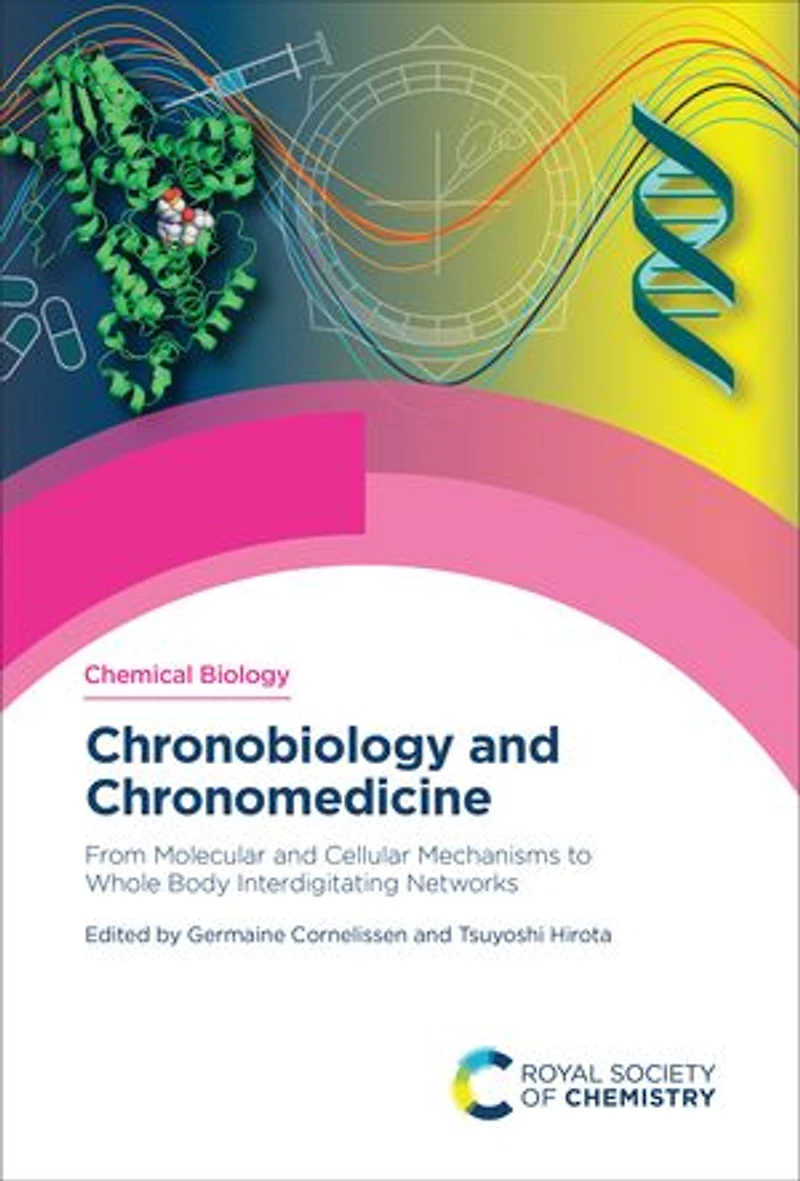
Chronobiology and Chronomedicine: From Molecular Cellular Mechanisms to Whole Body Interdigitating Networks
Current price: $303.99
Original price: $380.00

Chronobiology and Chronomedicine: From Molecular Cellular Mechanisms to Whole Body Interdigitating Networks
Current price: $303.99
Original price: $380.00
Loading Inventory...
Size: Kobo eBook
*Product information may vary - to confirm product availability, pricing, shipping and return information please contact Indigo
Circadian rhythms have been shown to be ubiquitous and critically important in the experimental laboratory, accounting for the difference between life and death in response to identical stimulus. The partly endogenous nature of circadian rhythms has been well documented and methods for their characterisation have been developed enabling the cellular and molecular mechanisms to be understood. Chronobiology and Chronomedicine aims to provide a review of these mechanisms underlying circadian rhythms and illustrate the role of the brain’s suprachiasmatic nuclei in the ‘pace-making’ process and the effects caused by ‘clock genes’ present in almost all cells. Beyond the mechanisms involved, the book discusses the relationship between body systems, disease, and proper circadian function; in particular, how disruption of the circadian rhythm is associated with ill health and disease status from observations made at the organismic level. The book is organised to be an ideal introduction for the postgraduate in various fields, reviewing developments and outlining methods to show the depth and breadth of chronobiology and chronomedicine, as well as an invaluable companion to researchers and healthcare professionals working in the field with an interest in developing novel therapeutic approaches.
Circadian rhythms have been shown to be ubiquitous and critically important in the experimental laboratory, accounting for the difference between life and death in response to identical stimulus. The partly endogenous nature of circadian rhythms has been well documented and methods for their characterisation have been developed enabling the cellular and molecular mechanisms to be understood. Chronobiology and Chronomedicine aims to provide a review of these mechanisms underlying circadian rhythms and illustrate the role of the brain’s suprachiasmatic nuclei in the ‘pace-making’ process and the effects caused by ‘clock genes’ present in almost all cells. Beyond the mechanisms involved, the book discusses the relationship between body systems, disease, and proper circadian function; in particular, how disruption of the circadian rhythm is associated with ill health and disease status from observations made at the organismic level. The book is organised to be an ideal introduction for the postgraduate in various fields, reviewing developments and outlining methods to show the depth and breadth of chronobiology and chronomedicine, as well as an invaluable companion to researchers and healthcare professionals working in the field with an interest in developing novel therapeutic approaches.
You May Also Like












More About Indigo at Erin Mills Town Centre
The largest book retailer in Canada also offers toys, music, home décor, gifts and lifestyle products. What's Inside...Books, Magazines, CD’s and DVD’s, Toys and Gifts, Home Accents, Electronics, Baby’s and Children’s Section, Bath and Body, Kitchen and Bedroom, Stationary Located outside in the exterior plaza.
5015 Glen Erin Dr, Mississauga, ON L5M 0R7, Canada
Find Indigo at Erin Mills Town Centre in Mississauga ON
Visit Indigo at Erin Mills Town Centre in Mississauga ON