

GIVE THE PERFECT GIFT
Erin Mills Town Centre Gift Cards are the perfect choice for your gift giving needs.Purchase gift cards at kiosks near the food court or centre court, at Guest Services, or click below to purchase online.PURCHASE HEREHome
Cinematic Art and Reversals of Power: Deleuze via Blanchot
Indigo
Loading Inventory...
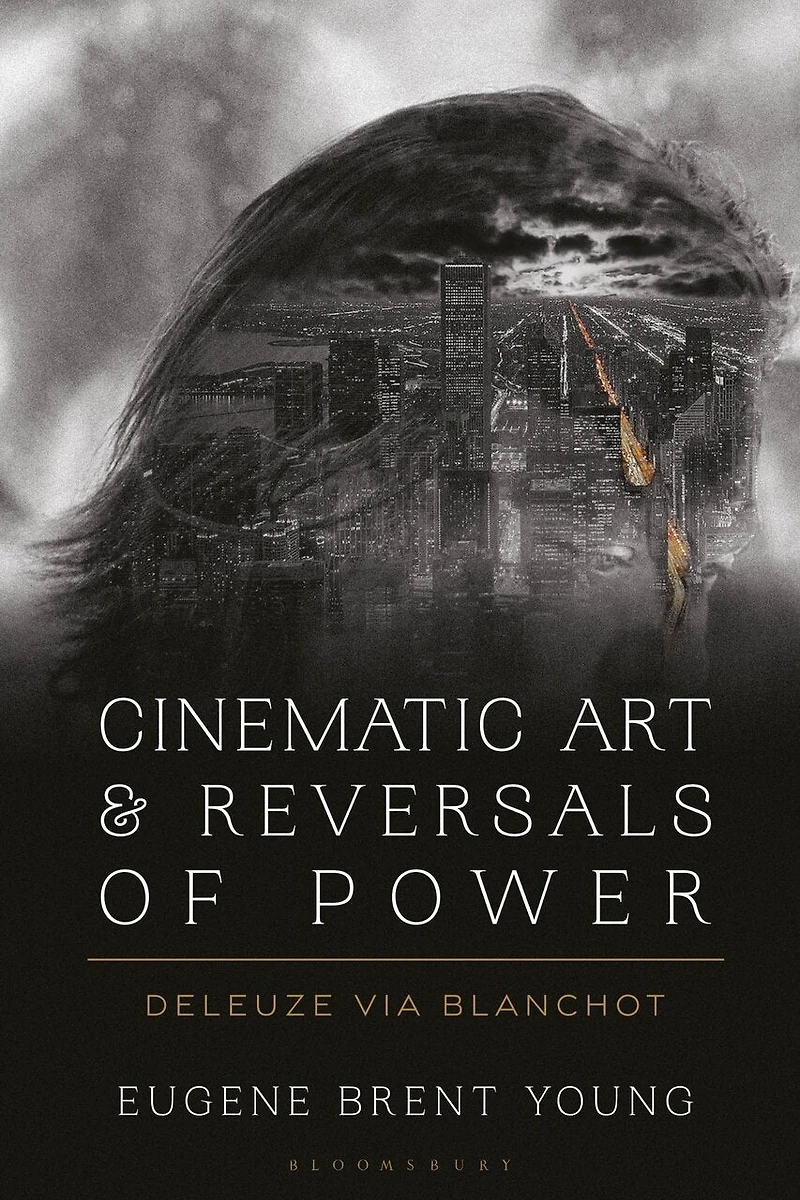
Cinematic Art and Reversals of Power: Deleuze via Blanchot
Current price: $197.50

Cinematic Art and Reversals of Power: Deleuze via Blanchot
Current price: $197.50
Loading Inventory...
Size: Hardcover
*Product information may vary - to confirm product availability, pricing, shipping and return information please contact Indigo
Bringing together Deleuze, Blanchot, and Foucault, this book provides a detailed and original exploration of the ideas that influenced Deleuze's thought leading up to and throughout his cinema volumes and, as a result, proposes a new definition of art. Examining Blanchot's suggestion that art and dream are "outside" of power, as imagination has neither reality nor truth, and Foucault's theory that power forms knowledge by valuing life, Eugene Brent Young relates these to both Deleuze's philosophy of time and his work with Guattari on art. In doing so, he uses case studies from literature and popular film, including Kafka's Castle , Villeneuve's Arrival , and Kubrick's Eyes Wide Shut . Providing important new insights for those working in literary and cinematic studies, this book advances a new definition of art as that which reverses the realities and truths of power to express obscure ideas and values beyond both our exterior and interior worlds.
Bringing together Deleuze, Blanchot, and Foucault, this book provides a detailed and original exploration of the ideas that influenced Deleuze's thought leading up to and throughout his cinema volumes and, as a result, proposes a new definition of art. Examining Blanchot's suggestion that art and dream are "outside" of power, as imagination has neither reality nor truth, and Foucault's theory that power forms knowledge by valuing life, Eugene Brent Young relates these to both Deleuze's philosophy of time and his work with Guattari on art. In doing so, he uses case studies from literature and popular film, including Kafka's Castle , Villeneuve's Arrival , and Kubrick's Eyes Wide Shut . Providing important new insights for those working in literary and cinematic studies, this book advances a new definition of art as that which reverses the realities and truths of power to express obscure ideas and values beyond both our exterior and interior worlds.
You May Also Like








More About Indigo at Erin Mills Town Centre
The largest book retailer in Canada also offers toys, music, home décor, gifts and lifestyle products. What's Inside...Books, Magazines, CD’s and DVD’s, Toys and Gifts, Home Accents, Electronics, Baby’s and Children’s Section, Bath and Body, Kitchen and Bedroom, Stationary Located outside in the exterior plaza.
5015 Glen Erin Dr, Mississauga, ON L5M 0R7, Canada
Find Indigo at Erin Mills Town Centre in Mississauga ON
Visit Indigo at Erin Mills Town Centre in Mississauga ON