

GIVE THE PERFECT GIFT
Erin Mills Town Centre Gift Cards are the perfect choice for your gift giving needs.Purchase gift cards at kiosks near the food court or centre court, at Guest Services, or click below to purchase online.PURCHASE HEREHome
Circuit-Based Electromagnetic Transient Simulation
Indigo
Loading Inventory...
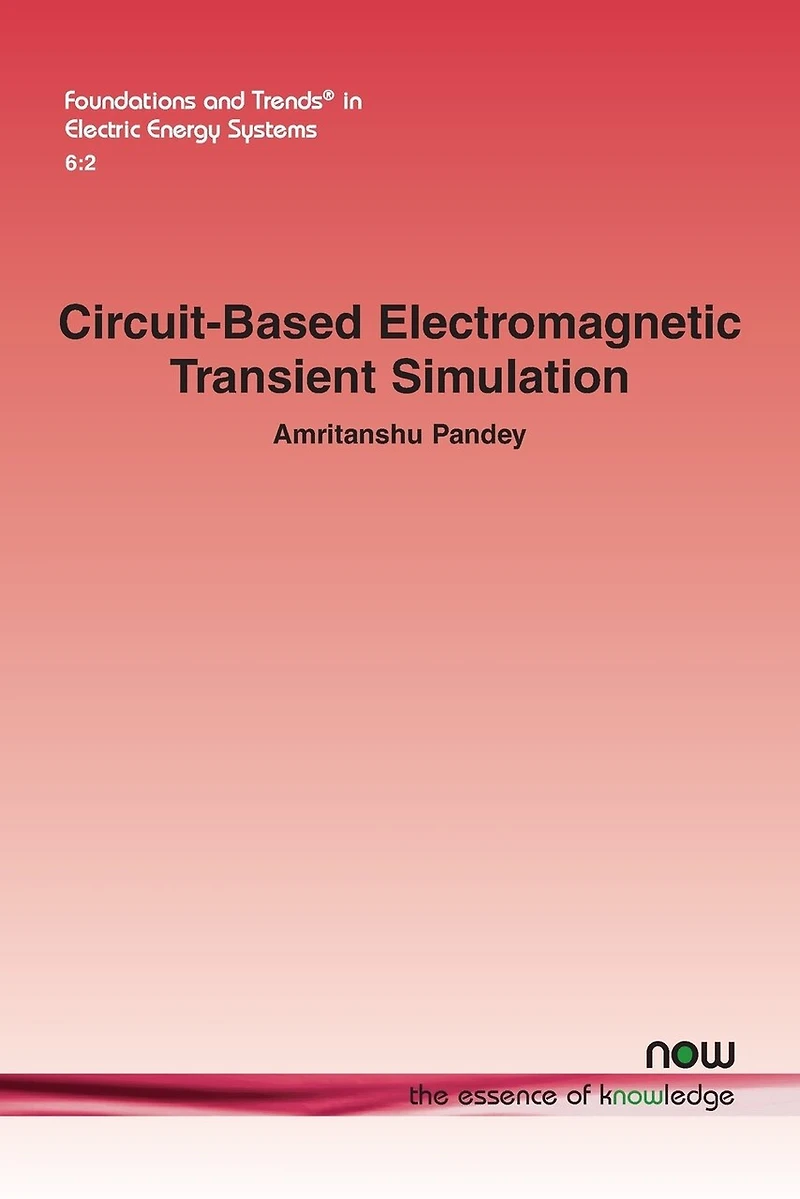
Circuit-Based Electromagnetic Transient Simulation
Current price: $65.00

Circuit-Based Electromagnetic Transient Simulation
Current price: $65.00
Loading Inventory...
Size: Paperback
*Product information may vary - to confirm product availability, pricing, shipping and return information please contact Indigo
This monograph, written in a tutorial style, focuses on electromagnetic transient (EMT) simulation. These are becoming increasingly common, with significant active research, due to the introduction of inverter-based resources on the grid. A step-by-step tutorial is provided on performing an electromagnetic transient simulation for simple networks from the first principles, and concepts covered range from circuit simulation and Newton-Raphson to numerical integration with difference methods. This monograph should help graduate and senior undergraduate students, and working professionals, learn the inner workings of tools that perform EMT simulations. The tutorial uses a circuit-theory based approach to EMT simulation, and is introductory in that it shows the workings through several examples, expecting the reader to thereafter build further expertise through more detailed research. Nonetheless, the monograph should provide an excellent first step for anyone interested in the subject of electromagnetic transient simulation, especially those interested in building their own tools.
This monograph, written in a tutorial style, focuses on electromagnetic transient (EMT) simulation. These are becoming increasingly common, with significant active research, due to the introduction of inverter-based resources on the grid. A step-by-step tutorial is provided on performing an electromagnetic transient simulation for simple networks from the first principles, and concepts covered range from circuit simulation and Newton-Raphson to numerical integration with difference methods. This monograph should help graduate and senior undergraduate students, and working professionals, learn the inner workings of tools that perform EMT simulations. The tutorial uses a circuit-theory based approach to EMT simulation, and is introductory in that it shows the workings through several examples, expecting the reader to thereafter build further expertise through more detailed research. Nonetheless, the monograph should provide an excellent first step for anyone interested in the subject of electromagnetic transient simulation, especially those interested in building their own tools.
You May Also Like







More About Indigo at Erin Mills Town Centre
The largest book retailer in Canada also offers toys, music, home décor, gifts and lifestyle products. What's Inside...Books, Magazines, CD’s and DVD’s, Toys and Gifts, Home Accents, Electronics, Baby’s and Children’s Section, Bath and Body, Kitchen and Bedroom, Stationary Located outside in the exterior plaza.
5015 Glen Erin Dr, Mississauga, ON L5M 0R7, Canada
Find Indigo at Erin Mills Town Centre in Mississauga ON
Visit Indigo at Erin Mills Town Centre in Mississauga ON