

GIVE THE PERFECT GIFT
Erin Mills Town Centre Gift Cards are the perfect choice for your gift giving needs.Purchase gift cards at kiosks near the food court or centre court, at Guest Services, or click below to purchase online.PURCHASE HEREHome
Citizen Science Biology: The History and Development of Public Participation
Indigo
Loading Inventory...

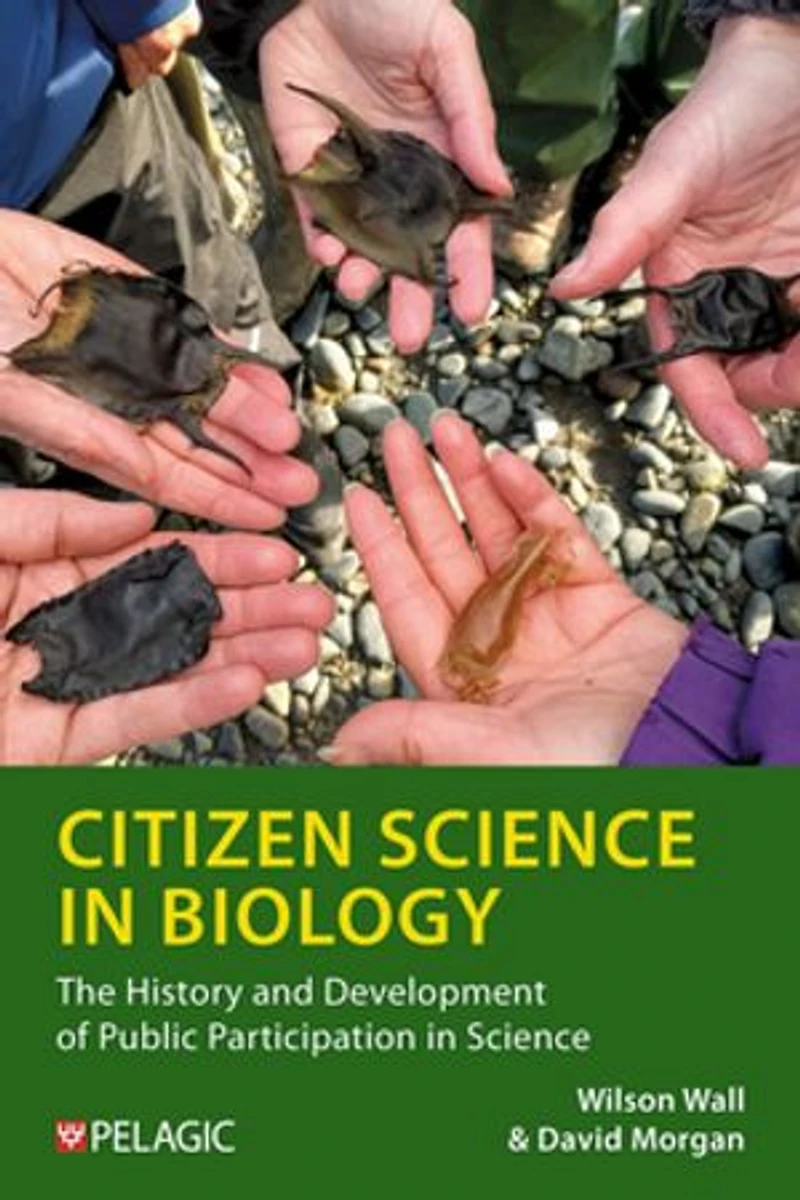

Citizen Science Biology: The History and Development of Public Participation
Current price: $83.00

Citizen Science Biology: The History and Development of Public Participation
Current price: $83.00
Loading Inventory...
Size: Hardcover
*Product information may vary - to confirm product availability, pricing, shipping and return information please contact Indigo
This important book charts the historical development of citizen science, from its earliest days with amateur individuals working on their own, to the modern incarnation which often sees large numbers of people cooperating on environmental or health projects. It will help project designers understand the heritage of citizen science, including the best way to avoid previous mistakes, and how to ensure results which are both reliable and informative. It also encourages individuals to participate and to think beyond the simple collection of data; how can each of us contribute? As scientists themselves, the authors have a clear understanding of the need for reliable, rather than anecdotal, information about the ups and downs of citizen science projects. Both have been involved in such initiatives, from individual data collection to testing identification keys for practical use by the public. Many readers will be surprised at the breadth of citizen science and will discover the ability to undertake their own investigations. This book will be of great interest to anyone participating in or organising collaborative citizen science projects.
This important book charts the historical development of citizen science, from its earliest days with amateur individuals working on their own, to the modern incarnation which often sees large numbers of people cooperating on environmental or health projects. It will help project designers understand the heritage of citizen science, including the best way to avoid previous mistakes, and how to ensure results which are both reliable and informative. It also encourages individuals to participate and to think beyond the simple collection of data; how can each of us contribute? As scientists themselves, the authors have a clear understanding of the need for reliable, rather than anecdotal, information about the ups and downs of citizen science projects. Both have been involved in such initiatives, from individual data collection to testing identification keys for practical use by the public. Many readers will be surprised at the breadth of citizen science and will discover the ability to undertake their own investigations. This book will be of great interest to anyone participating in or organising collaborative citizen science projects.
You May Also Like













More About Indigo at Erin Mills Town Centre
The largest book retailer in Canada also offers toys, music, home décor, gifts and lifestyle products. What's Inside...Books, Magazines, CD’s and DVD’s, Toys and Gifts, Home Accents, Electronics, Baby’s and Children’s Section, Bath and Body, Kitchen and Bedroom, Stationary Located outside in the exterior plaza.
5015 Glen Erin Dr, Mississauga, ON L5M 0R7, Canada
Find Indigo at Erin Mills Town Centre in Mississauga ON
Visit Indigo at Erin Mills Town Centre in Mississauga ON