

GIVE THE PERFECT GIFT
Erin Mills Town Centre Gift Cards are the perfect choice for your gift giving needs.Purchase gift cards at kiosks near the food court or centre court, at Guest Services, or click below to purchase online.PURCHASE HEREHome
City of God, Volume I: Books 1-3
Indigo
Loading Inventory...
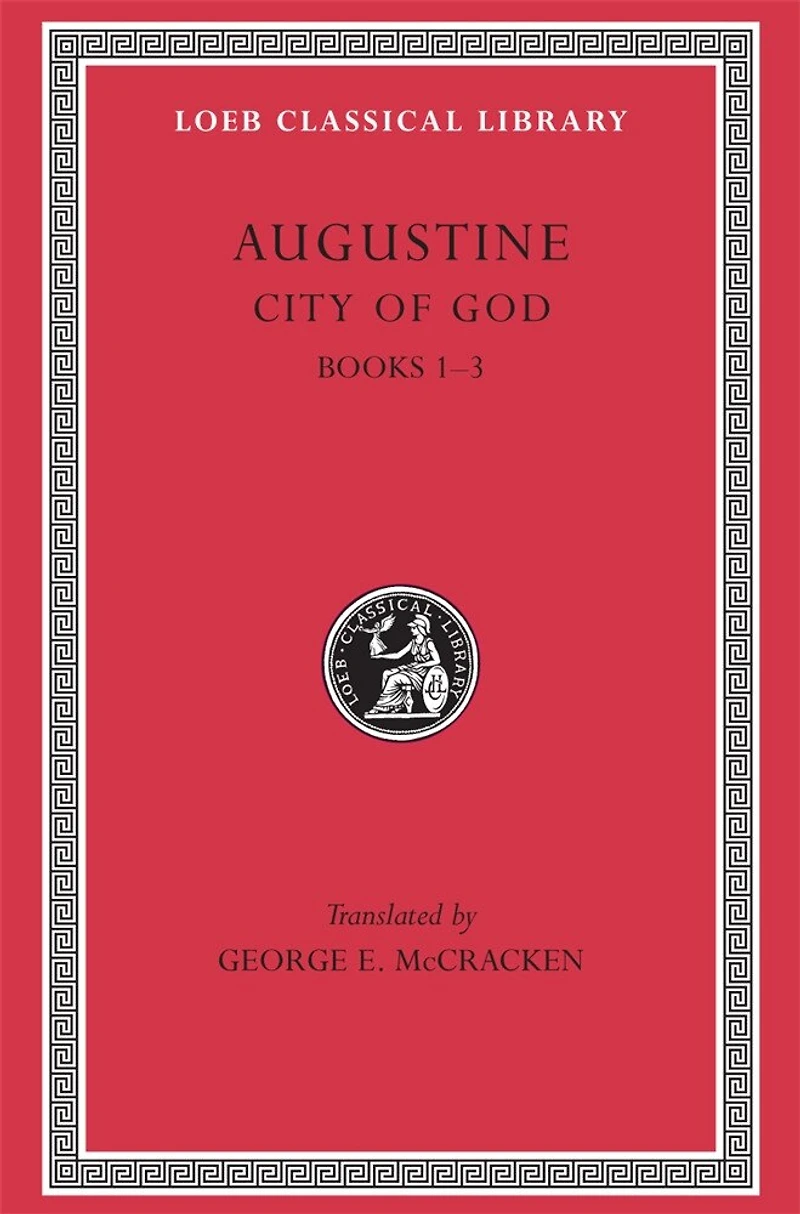
City of God, Volume I: Books 1-3
Current price: $40.00

City of God, Volume I: Books 1-3
Current price: $40.00
Loading Inventory...
Size: Hardcover
*Product information may vary - to confirm product availability, pricing, shipping and return information please contact Indigo
A Church Father’s theological citadel.
Aurelius Augustine (AD 354–430), one of the most important figures in the development of western Christianity and philosophy, was the son of a pagan, Patricius of Tagaste, and his Christian wife, Monnica. While studying to become a rhetorician, he plunged into a turmoil of philosophical and psychological doubts, leading him to Manichaeism. In 383 he moved to Rome and then Milan to teach rhetoric. Despite exploring classical philosophical systems, especially skepticism and Neoplatonism, his studies of Paul’s letters with his friend Alypius, and the preaching of Bishop Ambrose, led in 386 to his momentous conversion from mixed beliefs to Christianity. He soon returned to Tagaste and founded a religious community, and in 395 or 396 became bishop of Hippo.
From Augustine’s large output the Loeb Classical Library offers that great autobiography the Confessions (in two volumes); On the City of God (seven volumes), which unfolds God’s action in the progress of the world’s history, and propounds the superiority of Christian beliefs over pagan in adversity; and a selection of Letters which are important for the study of ecclesiastical theologians.
A Church Father’s theological citadel.
Aurelius Augustine (AD 354–430), one of the most important figures in the development of western Christianity and philosophy, was the son of a pagan, Patricius of Tagaste, and his Christian wife, Monnica. While studying to become a rhetorician, he plunged into a turmoil of philosophical and psychological doubts, leading him to Manichaeism. In 383 he moved to Rome and then Milan to teach rhetoric. Despite exploring classical philosophical systems, especially skepticism and Neoplatonism, his studies of Paul’s letters with his friend Alypius, and the preaching of Bishop Ambrose, led in 386 to his momentous conversion from mixed beliefs to Christianity. He soon returned to Tagaste and founded a religious community, and in 395 or 396 became bishop of Hippo.
From Augustine’s large output the Loeb Classical Library offers that great autobiography the Confessions (in two volumes); On the City of God (seven volumes), which unfolds God’s action in the progress of the world’s history, and propounds the superiority of Christian beliefs over pagan in adversity; and a selection of Letters which are important for the study of ecclesiastical theologians.
You May Also Like











More About Indigo at Erin Mills Town Centre
The largest book retailer in Canada also offers toys, music, home décor, gifts and lifestyle products. What's Inside...Books, Magazines, CD’s and DVD’s, Toys and Gifts, Home Accents, Electronics, Baby’s and Children’s Section, Bath and Body, Kitchen and Bedroom, Stationary Located outside in the exterior plaza.
5015 Glen Erin Dr, Mississauga, ON L5M 0R7, Canada
Find Indigo at Erin Mills Town Centre in Mississauga ON
Visit Indigo at Erin Mills Town Centre in Mississauga ON