

GIVE THE PERFECT GIFT
Erin Mills Town Centre Gift Cards are the perfect choice for your gift giving needs.Purchase gift cards at kiosks near the food court or centre court, at Guest Services, or click below to purchase online.PURCHASE HEREHome
Civil Society and Dictatorship Modern German History
Indigo
Loading Inventory...
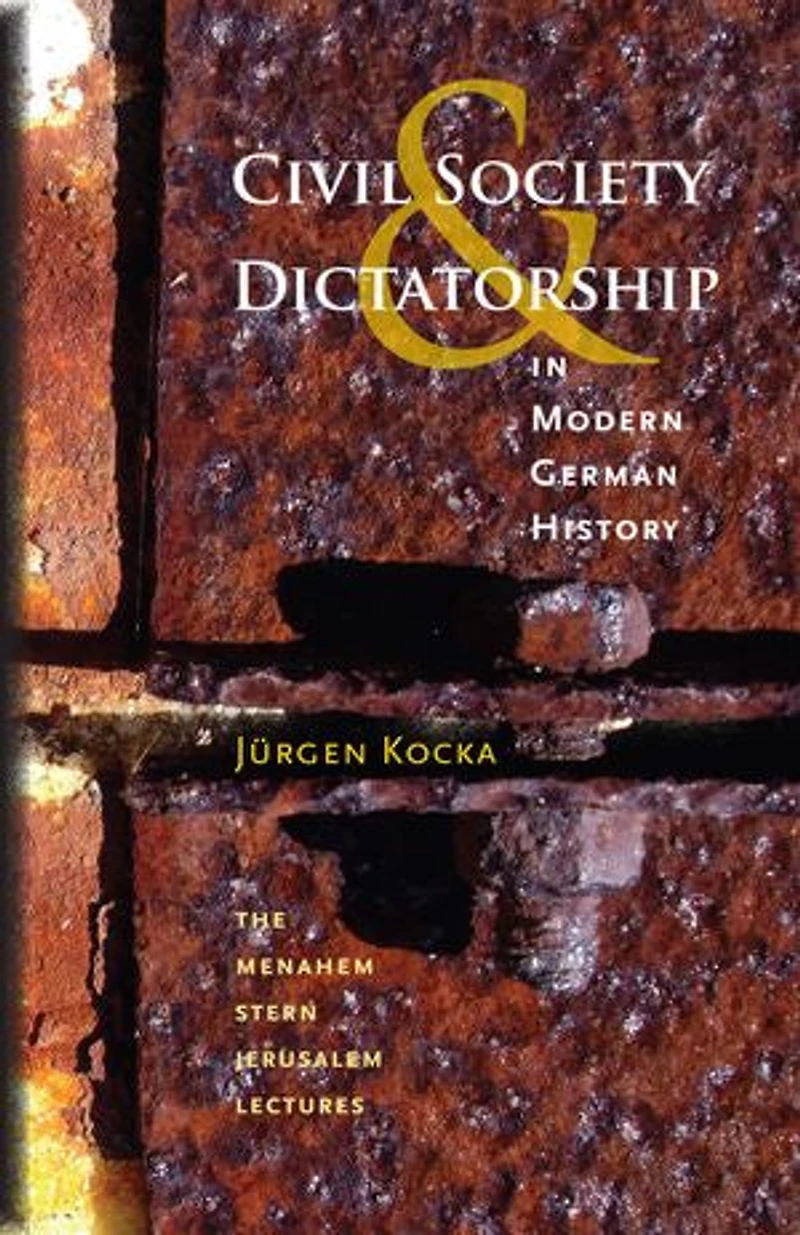
Civil Society and Dictatorship Modern German History
Current price: $27.19
Original price: $33.93

Civil Society and Dictatorship Modern German History
Current price: $27.19
Original price: $33.93
Loading Inventory...
Size: Kobo eBook
*Product information may vary - to confirm product availability, pricing, shipping and return information please contact Indigo
In this rich and thought-provoking work, Jürgen Kocka focuses his analytic lens on Germany''s long twentieth century, from the empire to the present. He begins by establishing the semantic problematic in the German term Bürgertum and presenting an analytical survey of German civil society over the past 120 years. He then offers a fascinating social history of the GDR, along with a comparative analysis of the East German dictatorship and that of the Third Reich. He further compares Germany''s "two dictatorships" in regard to historical memory, post-regime justice, and historiography before and after reunification. Kocka concludes with a wonderfully expansive view of historical interpretation and even argues for the place of trendiness and fashion in the profession.
In this rich and thought-provoking work, Jürgen Kocka focuses his analytic lens on Germany''s long twentieth century, from the empire to the present. He begins by establishing the semantic problematic in the German term Bürgertum and presenting an analytical survey of German civil society over the past 120 years. He then offers a fascinating social history of the GDR, along with a comparative analysis of the East German dictatorship and that of the Third Reich. He further compares Germany''s "two dictatorships" in regard to historical memory, post-regime justice, and historiography before and after reunification. Kocka concludes with a wonderfully expansive view of historical interpretation and even argues for the place of trendiness and fashion in the profession.
You May Also Like











More About Indigo at Erin Mills Town Centre
The largest book retailer in Canada also offers toys, music, home décor, gifts and lifestyle products. What's Inside...Books, Magazines, CD’s and DVD’s, Toys and Gifts, Home Accents, Electronics, Baby’s and Children’s Section, Bath and Body, Kitchen and Bedroom, Stationary Located outside in the exterior plaza.
5015 Glen Erin Dr, Mississauga, ON L5M 0R7, Canada
Find Indigo at Erin Mills Town Centre in Mississauga ON
Visit Indigo at Erin Mills Town Centre in Mississauga ON