

GIVE THE PERFECT GIFT
Erin Mills Town Centre Gift Cards are the perfect choice for your gift giving needs.Purchase gift cards at kiosks near the food court or centre court, at Guest Services, or click below to purchase online.PURCHASE HEREHome
Civility, Barbarism and the Evolution of International Humanitarian Law: Who do the Laws of War Protect?
Indigo
Loading Inventory...
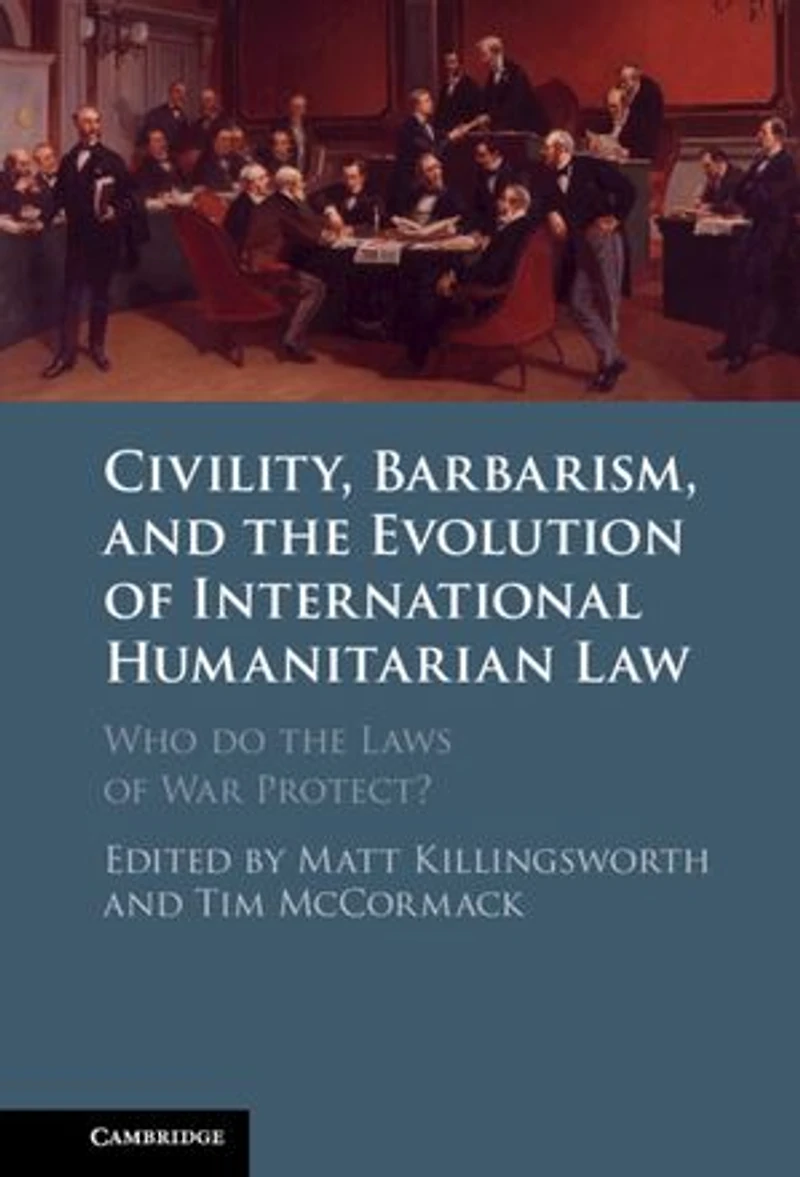
Civility, Barbarism and the Evolution of International Humanitarian Law: Who do the Laws of War Protect?
Current price: $120.79
Original price: $150.95

Civility, Barbarism and the Evolution of International Humanitarian Law: Who do the Laws of War Protect?
Current price: $120.79
Original price: $150.95
Loading Inventory...
Size: Kobo eBook
*Product information may vary - to confirm product availability, pricing, shipping and return information please contact Indigo
Efforts to moderate conflict are as old as conflict itself. Throughout the ages, restraint in warfare has been informed by religious and ethical considerations, chivalry and class, and, increasingly since the mid-19th century, a body of customary and treaty law variously referred to as the laws of war, the law of armed conflict (LOAC) or international humanitarian law (IHL). As they evolved from the mid-19th century, these laws were increasingly underpinned by humanitarianism, then in the mid-20th century, were assumed to be universal. But violations of these restraints are also as old as conflict itself. The history of conflict is replete with examples of exclusions from protections designed to moderate warfare. This edited volume explores the degree to which protections in modern warfare might be informed by notions of 'civility' and 'barbarism', or, to put it another way, asks if only those deemed to be civilised are afforded protections prescribed by the laws of war?
Efforts to moderate conflict are as old as conflict itself. Throughout the ages, restraint in warfare has been informed by religious and ethical considerations, chivalry and class, and, increasingly since the mid-19th century, a body of customary and treaty law variously referred to as the laws of war, the law of armed conflict (LOAC) or international humanitarian law (IHL). As they evolved from the mid-19th century, these laws were increasingly underpinned by humanitarianism, then in the mid-20th century, were assumed to be universal. But violations of these restraints are also as old as conflict itself. The history of conflict is replete with examples of exclusions from protections designed to moderate warfare. This edited volume explores the degree to which protections in modern warfare might be informed by notions of 'civility' and 'barbarism', or, to put it another way, asks if only those deemed to be civilised are afforded protections prescribed by the laws of war?
You May Also Like








More About Indigo at Erin Mills Town Centre
The largest book retailer in Canada also offers toys, music, home décor, gifts and lifestyle products. What's Inside...Books, Magazines, CD’s and DVD’s, Toys and Gifts, Home Accents, Electronics, Baby’s and Children’s Section, Bath and Body, Kitchen and Bedroom, Stationary Located outside in the exterior plaza.
5015 Glen Erin Dr, Mississauga, ON L5M 0R7, Canada
Find Indigo at Erin Mills Town Centre in Mississauga ON
Visit Indigo at Erin Mills Town Centre in Mississauga ON