

GIVE THE PERFECT GIFT
Erin Mills Town Centre Gift Cards are the perfect choice for your gift giving needs.Purchase gift cards at kiosks near the food court or centre court, at Guest Services, or click below to purchase online.PURCHASE HEREHome
Class and Inequality the Time of Finance: Subject to Terms Conditions
Indigo
Loading Inventory...
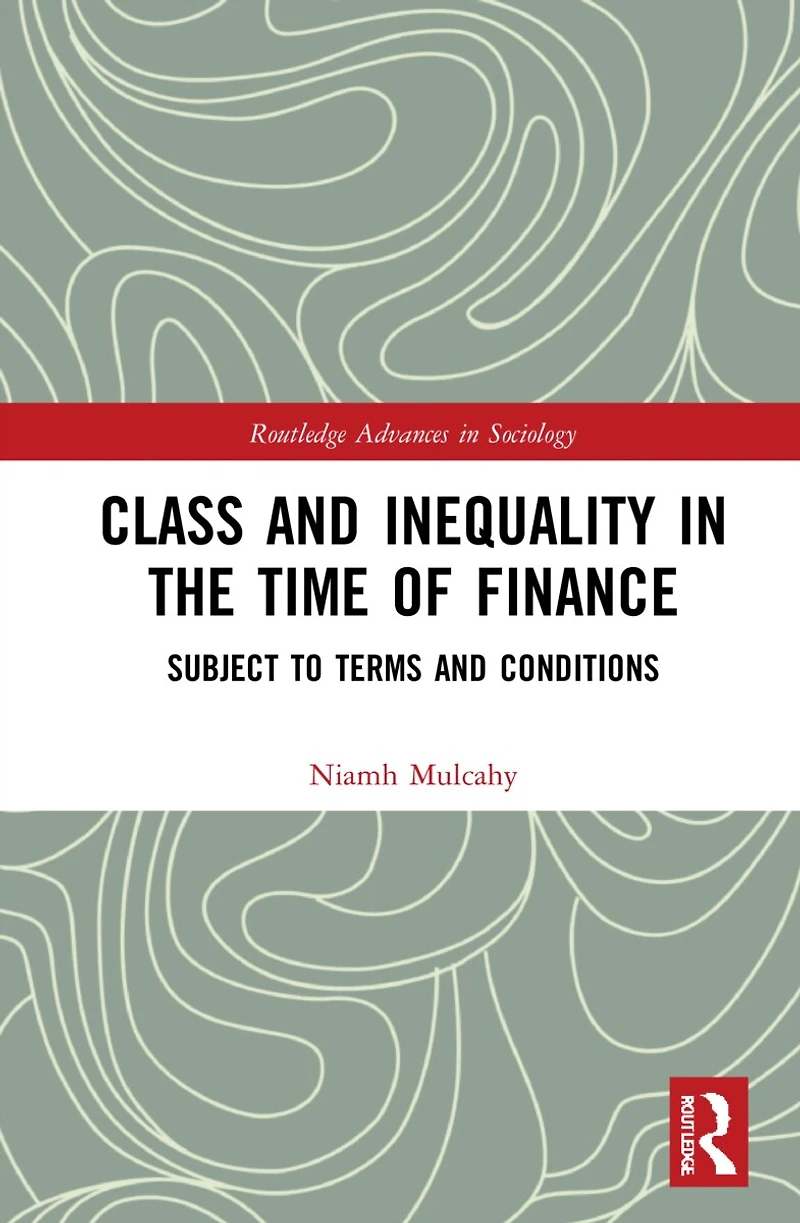

Class and Inequality the Time of Finance: Subject to Terms Conditions
Current price: $296.50

Class and Inequality the Time of Finance: Subject to Terms Conditions
Current price: $296.50
Loading Inventory...
Size: Hardcover
*Product information may vary - to confirm product availability, pricing, shipping and return information please contact Indigo
This book explores the effects of the gradual liberalisation of capital markets and the expansion of consumer credit on poorer households in the United Kingdom, with particular attention to the precariousness caused by a lack of savings and a reliance on debt. Asking what it means for poorer working individuals and households to be subject to the demands of finance, the author draws on Michel Foucault's theory of subjectivation as well as Louis Althusser's interest in class, actively theorising the constraints of low income or precarious work on financial planning, alongside the reorganisation or rollback of government benefits. A contribution to our understanding of the ways in which financial concerns deepen and expand economic inequality, Class and Inequality in the Time of Finance shows how finance stratifies individual subjects rather than simply individualising and separating them. As such, it will appeal to scholars of sociology with interests in neoliberalism, economic austerity, and consumer credit and debt.
This book explores the effects of the gradual liberalisation of capital markets and the expansion of consumer credit on poorer households in the United Kingdom, with particular attention to the precariousness caused by a lack of savings and a reliance on debt. Asking what it means for poorer working individuals and households to be subject to the demands of finance, the author draws on Michel Foucault's theory of subjectivation as well as Louis Althusser's interest in class, actively theorising the constraints of low income or precarious work on financial planning, alongside the reorganisation or rollback of government benefits. A contribution to our understanding of the ways in which financial concerns deepen and expand economic inequality, Class and Inequality in the Time of Finance shows how finance stratifies individual subjects rather than simply individualising and separating them. As such, it will appeal to scholars of sociology with interests in neoliberalism, economic austerity, and consumer credit and debt.
You May Also Like















More About Indigo at Erin Mills Town Centre
The largest book retailer in Canada also offers toys, music, home décor, gifts and lifestyle products. What's Inside...Books, Magazines, CD’s and DVD’s, Toys and Gifts, Home Accents, Electronics, Baby’s and Children’s Section, Bath and Body, Kitchen and Bedroom, Stationary Located outside in the exterior plaza.
5015 Glen Erin Dr, Mississauga, ON L5M 0R7, Canada
Find Indigo at Erin Mills Town Centre in Mississauga ON
Visit Indigo at Erin Mills Town Centre in Mississauga ON