

GIVE THE PERFECT GIFT
Erin Mills Town Centre Gift Cards are the perfect choice for your gift giving needs.Purchase gift cards at kiosks near the food court or centre court, at Guest Services, or click below to purchase online.PURCHASE HEREHome
Class, Whiteness, and Southern Literature
Indigo
Loading Inventory...
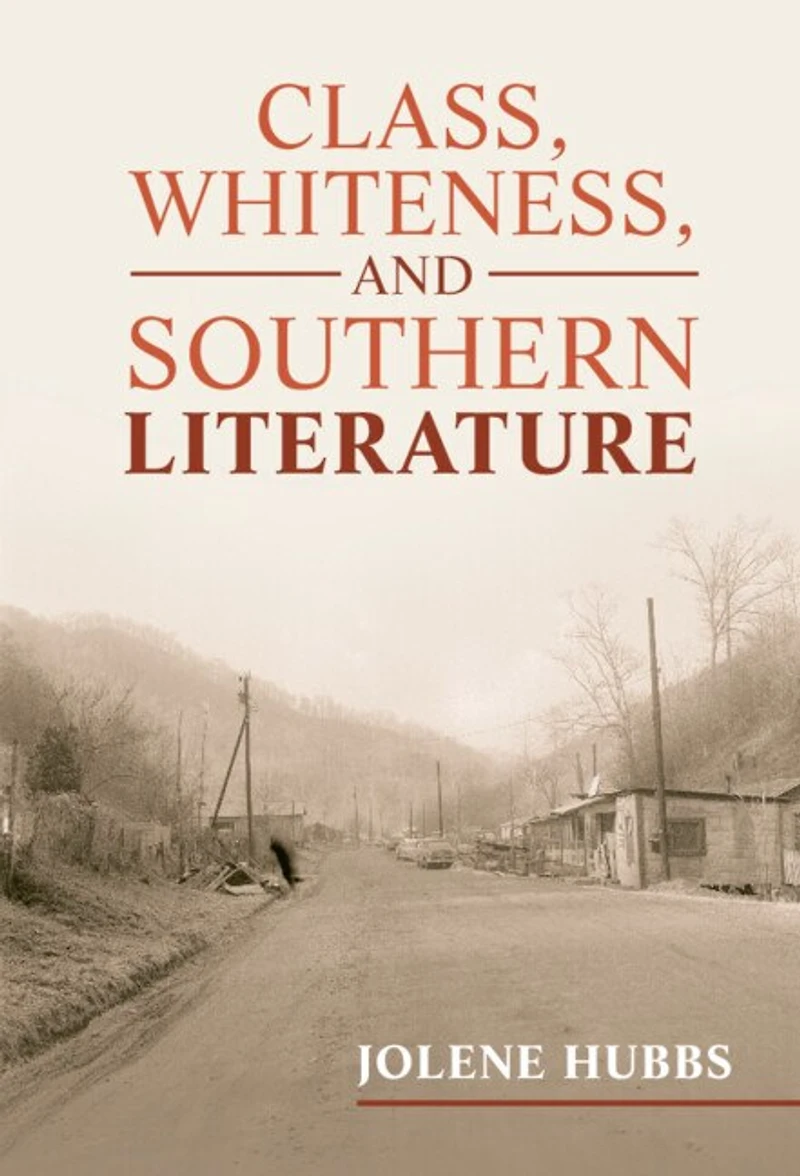
Class, Whiteness, and Southern Literature
Current price: $140.95

Class, Whiteness, and Southern Literature
Current price: $140.95
Loading Inventory...
Size: Hardcover
*Product information may vary - to confirm product availability, pricing, shipping and return information please contact Indigo
Class, Whiteness, and Southern Literature explores the role that representations of poor white people play in shaping both middle-class American identity and major American literary movements and genres across the long twentieth century. Jolene Hubbs reveals that, more often than not, poor white characters imagined by middle-class writers embody what better-off people are anxious to distance themselves from in a given moment. Poor white southerners are cast as social climbers during the status-conscious Gilded Age, country rubes in the modern era, racist obstacles to progress during the civil rights struggle, and junk food devotees in the health-conscious 1990s. Hubbs illuminates how Charles Chesnutt, William Faulkner, Flannery O'Connor, Dorothy Allison, and Barbara Robinette Moss swam against these tides, pioneering formal innovations with an eye to representing poor white characters in new ways.
Class, Whiteness, and Southern Literature explores the role that representations of poor white people play in shaping both middle-class American identity and major American literary movements and genres across the long twentieth century. Jolene Hubbs reveals that, more often than not, poor white characters imagined by middle-class writers embody what better-off people are anxious to distance themselves from in a given moment. Poor white southerners are cast as social climbers during the status-conscious Gilded Age, country rubes in the modern era, racist obstacles to progress during the civil rights struggle, and junk food devotees in the health-conscious 1990s. Hubbs illuminates how Charles Chesnutt, William Faulkner, Flannery O'Connor, Dorothy Allison, and Barbara Robinette Moss swam against these tides, pioneering formal innovations with an eye to representing poor white characters in new ways.
You May Also Like









More About Indigo at Erin Mills Town Centre
The largest book retailer in Canada also offers toys, music, home décor, gifts and lifestyle products. What's Inside...Books, Magazines, CD’s and DVD’s, Toys and Gifts, Home Accents, Electronics, Baby’s and Children’s Section, Bath and Body, Kitchen and Bedroom, Stationary Located outside in the exterior plaza.
5015 Glen Erin Dr, Mississauga, ON L5M 0R7, Canada
Find Indigo at Erin Mills Town Centre in Mississauga ON
Visit Indigo at Erin Mills Town Centre in Mississauga ON