

GIVE THE PERFECT GIFT
Erin Mills Town Centre Gift Cards are the perfect choice for your gift giving needs.Purchase gift cards at kiosks near the food court or centre court, at Guest Services, or click below to purchase online.PURCHASE HEREHome
Clearcut: Political Economies of Deforestation
Indigo
Loading Inventory...
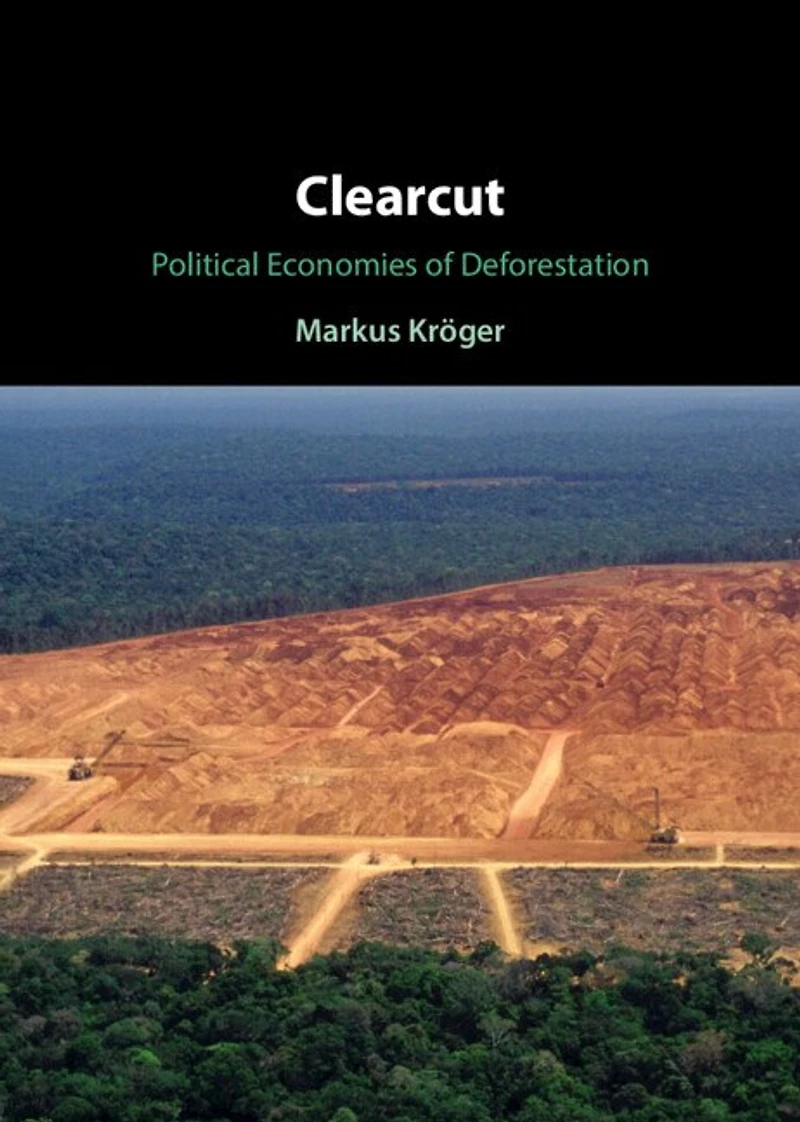
Clearcut: Political Economies of Deforestation
Current price: $160.95

Clearcut: Political Economies of Deforestation
Current price: $160.95
Loading Inventory...
Size: Hardcover
*Product information may vary - to confirm product availability, pricing, shipping and return information please contact Indigo
Regionally dominant extractive sectors - including Brazilian cattle ranching, Amazonian narco-gold mining, and Finnish paper pulping - provide the foundation for this book's analysis of the range of motivations for deforestation. This framing allows for a discussion of the global political economy and ecology in general, and an in-depth examination of the varieties of extractivisms that define land and resource use. The chapters take an interdisciplinary approach, drawing on political ethnography and world systems analyses across the Global North-South divide. The book develops and applies a new theory that identifies regionally dominant political-economic systems as the driving forces behind deforestation. This book is essential reading for advanced students, researchers, and policy makers working in (de)forestation, environmental studies, environmental law, economics, conservation, climate change, and sustainability, leading to a deeper understanding of why our planet's forests are under threat. This title is also available as Open Access on Cambridge Core.
Regionally dominant extractive sectors - including Brazilian cattle ranching, Amazonian narco-gold mining, and Finnish paper pulping - provide the foundation for this book's analysis of the range of motivations for deforestation. This framing allows for a discussion of the global political economy and ecology in general, and an in-depth examination of the varieties of extractivisms that define land and resource use. The chapters take an interdisciplinary approach, drawing on political ethnography and world systems analyses across the Global North-South divide. The book develops and applies a new theory that identifies regionally dominant political-economic systems as the driving forces behind deforestation. This book is essential reading for advanced students, researchers, and policy makers working in (de)forestation, environmental studies, environmental law, economics, conservation, climate change, and sustainability, leading to a deeper understanding of why our planet's forests are under threat. This title is also available as Open Access on Cambridge Core.
You May Also Like









More About Indigo at Erin Mills Town Centre
The largest book retailer in Canada also offers toys, music, home décor, gifts and lifestyle products. What's Inside...Books, Magazines, CD’s and DVD’s, Toys and Gifts, Home Accents, Electronics, Baby’s and Children’s Section, Bath and Body, Kitchen and Bedroom, Stationary Located outside in the exterior plaza.
5015 Glen Erin Dr, Mississauga, ON L5M 0R7, Canada
Find Indigo at Erin Mills Town Centre in Mississauga ON
Visit Indigo at Erin Mills Town Centre in Mississauga ON