

GIVE THE PERFECT GIFT
Erin Mills Town Centre Gift Cards are the perfect choice for your gift giving needs.Purchase gift cards at kiosks near the food court or centre court, at Guest Services, or click below to purchase online.PURCHASE HEREHome
Climate Chaos, Global Poverty and Capitalism: Moving Toward Socialism - Sharing a Livable Planet
Indigo
Loading Inventory...
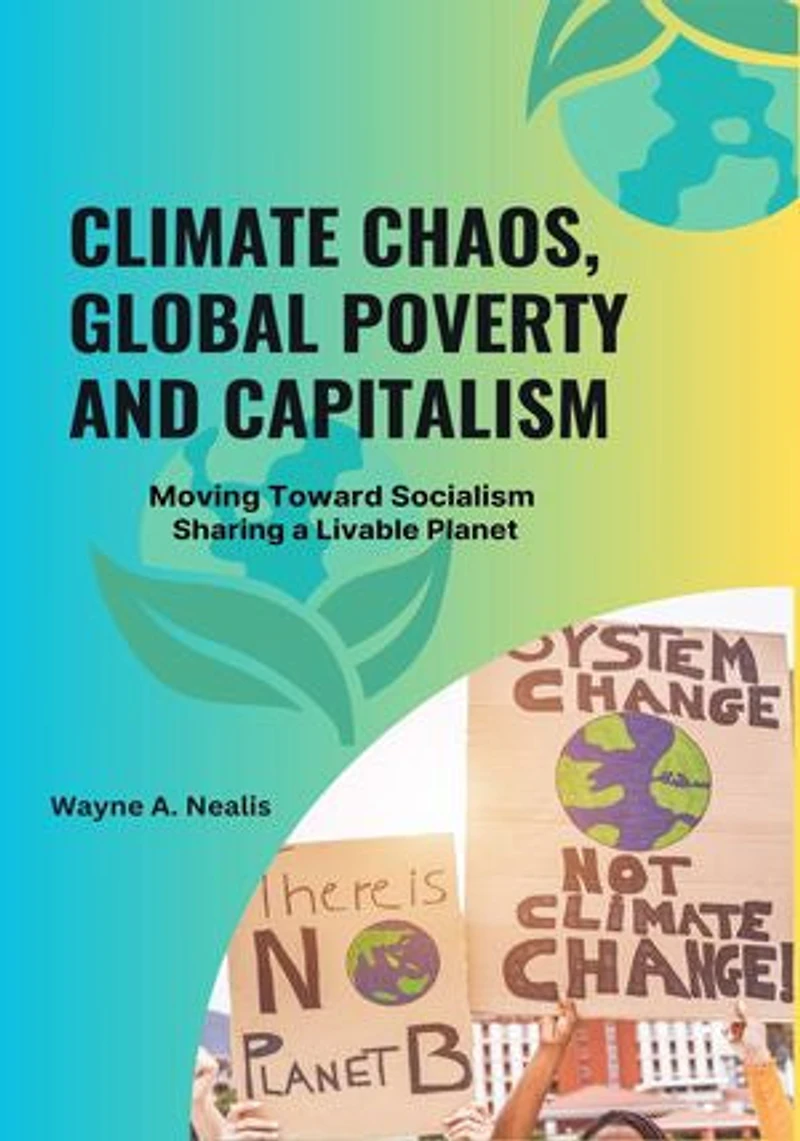
Climate Chaos, Global Poverty and Capitalism: Moving Toward Socialism - Sharing a Livable Planet
Current price: $4.06

Climate Chaos, Global Poverty and Capitalism: Moving Toward Socialism - Sharing a Livable Planet
Current price: $4.06
Loading Inventory...
Size: Kobo eBook
*Product information may vary - to confirm product availability, pricing, shipping and return information please contact Indigo
Can humanity trust capitalism with its future? In 1988, seven years before the United Nations first conference on global warming was held, former NASA scientist Dr. James Hansen testified before the US Congress that scientific evidence affirmed that the burning of fossil fuels was causing global warming. Since then three primary capitalist sectors – financial institutions, fossil fuel/energy firms and vehicle manufacturers have ignored climate concerns. Trillions of dollars have been invested in the fossil fuel economy accelerating global warming. Imagine what could have been possible since 1988 had the capital instead been invested in avoiding the crisis. The United States and many other nations' economies could already have been largely powered by wind, solar, geothermal and other renewable energy sources. Imagine having a healthier and cleaner environment. Imagine we are well on our way to abating global warming. Climate Chaos, Global Poverty and Capitalism shows such a future is still possible but it will require global cooperation and a new economic model. Seven key relationships, as listed below and discussed throughout this work, frame the economic criteria and climate math necessary to slow and reverse climate chaos. These relationships are interdependent. Thus without addressing all of them the climate crisis cannot be resolved. • Democratic direction of private investment capital and production to abate the crisis. • Curtail overall consumption in well-off nations. • Redistribute investment and production to end global poverty. • Degrowth: reduce unnecessary consumption to save energy and resources. • Move toward a global steady state economy. • Shorten the work year and work week to share jobs as steady state economy develops. • Initiate global negotiations to demilitarize all the world's economies. Climate Chaos argues that humanity will need to consider ending the rule of capital and implementing a People's Plan A based on socialist principles. The time to offer such a competing vision is now and not after we find that capitalism fails to do the right thing. As the struggle for a habitable planet unfolds a socialist economic model can act as a beacon for an ecological and economically sound visionary alternative.
Can humanity trust capitalism with its future? In 1988, seven years before the United Nations first conference on global warming was held, former NASA scientist Dr. James Hansen testified before the US Congress that scientific evidence affirmed that the burning of fossil fuels was causing global warming. Since then three primary capitalist sectors – financial institutions, fossil fuel/energy firms and vehicle manufacturers have ignored climate concerns. Trillions of dollars have been invested in the fossil fuel economy accelerating global warming. Imagine what could have been possible since 1988 had the capital instead been invested in avoiding the crisis. The United States and many other nations' economies could already have been largely powered by wind, solar, geothermal and other renewable energy sources. Imagine having a healthier and cleaner environment. Imagine we are well on our way to abating global warming. Climate Chaos, Global Poverty and Capitalism shows such a future is still possible but it will require global cooperation and a new economic model. Seven key relationships, as listed below and discussed throughout this work, frame the economic criteria and climate math necessary to slow and reverse climate chaos. These relationships are interdependent. Thus without addressing all of them the climate crisis cannot be resolved. • Democratic direction of private investment capital and production to abate the crisis. • Curtail overall consumption in well-off nations. • Redistribute investment and production to end global poverty. • Degrowth: reduce unnecessary consumption to save energy and resources. • Move toward a global steady state economy. • Shorten the work year and work week to share jobs as steady state economy develops. • Initiate global negotiations to demilitarize all the world's economies. Climate Chaos argues that humanity will need to consider ending the rule of capital and implementing a People's Plan A based on socialist principles. The time to offer such a competing vision is now and not after we find that capitalism fails to do the right thing. As the struggle for a habitable planet unfolds a socialist economic model can act as a beacon for an ecological and economically sound visionary alternative.
You May Also Like















More About Indigo at Erin Mills Town Centre
The largest book retailer in Canada also offers toys, music, home décor, gifts and lifestyle products. What's Inside...Books, Magazines, CD’s and DVD’s, Toys and Gifts, Home Accents, Electronics, Baby’s and Children’s Section, Bath and Body, Kitchen and Bedroom, Stationary Located outside in the exterior plaza.
5015 Glen Erin Dr, Mississauga, ON L5M 0R7, Canada
Find Indigo at Erin Mills Town Centre in Mississauga ON
Visit Indigo at Erin Mills Town Centre in Mississauga ON