

GIVE THE PERFECT GIFT
Erin Mills Town Centre Gift Cards are the perfect choice for your gift giving needs.Purchase gift cards at kiosks near the food court or centre court, at Guest Services, or click below to purchase online.PURCHASE HEREHome
Clock Drawing: A Neuropsychological Analysis
Indigo
Loading Inventory...
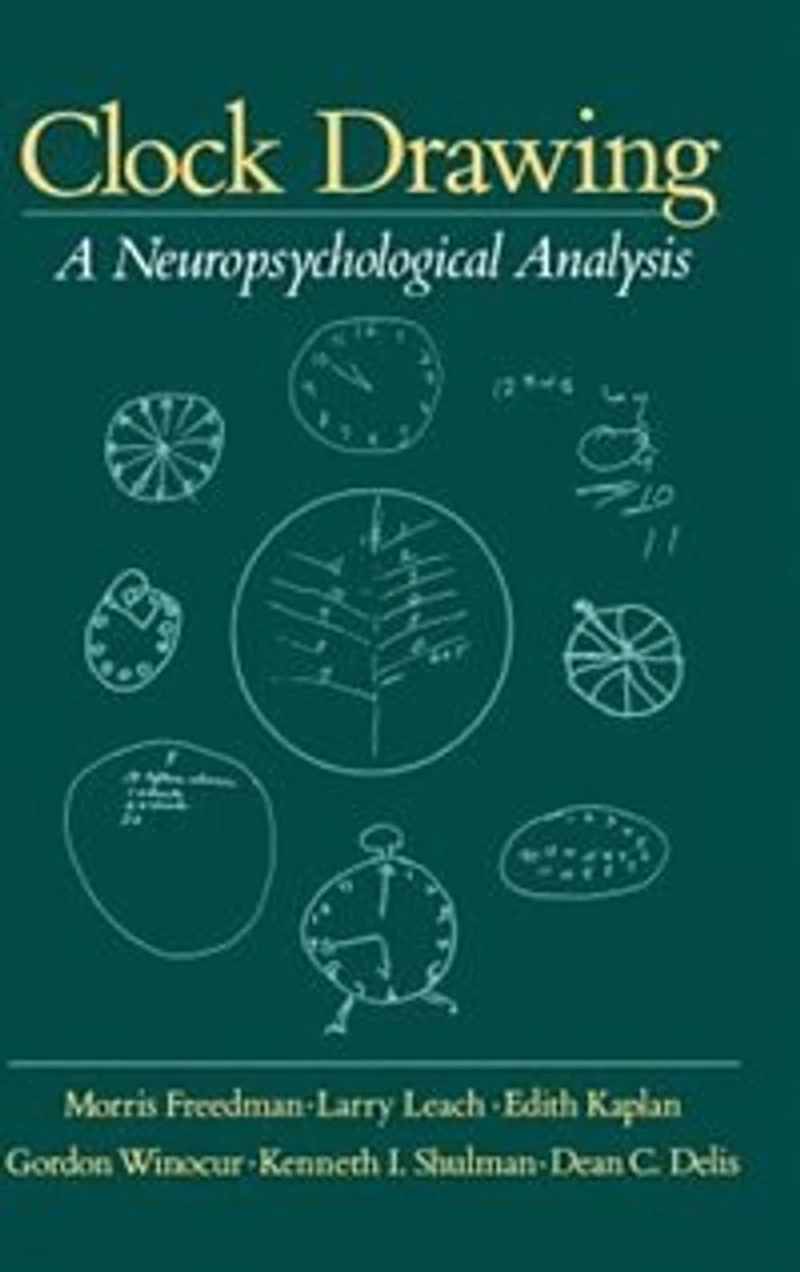
Clock Drawing: A Neuropsychological Analysis
Current price: $72.95

Clock Drawing: A Neuropsychological Analysis
Current price: $72.95
Loading Inventory...
Size: Hardcover
*Product information may vary - to confirm product availability, pricing, shipping and return information please contact Indigo
Written by a multidisciplinary team of experts in neurobehavior, this concise, well-illustrated book provides normative data on clock drawing from ages 20 to 90 years. A practical guide to the quantitative assessment of clock drawing, it also takes a process-oriented approach to qualitative
impairment. The authors discuss clock drawing as a neuropsychological test instrument and the rationale for selecting specific time settings, as well as the basis for using different clock conditions. The book contains numerous examples of clocks drawn by patients with cognitive impairment due to
dementia, metabolic encephalopathy, traumatic brain injury, disconnection syndrome and focal brain lesions. Insight into changes in clock drawing ability that may represent the earliest markers of cognitive decline in dementia are also presented. This volume will be of interest to clinicians and
researchers in neuropsychology, neurology, psychiatry, geriatric medicine, language therapy, and occupational therapy.
Written by a multidisciplinary team of experts in neurobehavior, this concise, well-illustrated book provides normative data on clock drawing from ages 20 to 90 years. A practical guide to the quantitative assessment of clock drawing, it also takes a process-oriented approach to qualitative
impairment. The authors discuss clock drawing as a neuropsychological test instrument and the rationale for selecting specific time settings, as well as the basis for using different clock conditions. The book contains numerous examples of clocks drawn by patients with cognitive impairment due to
dementia, metabolic encephalopathy, traumatic brain injury, disconnection syndrome and focal brain lesions. Insight into changes in clock drawing ability that may represent the earliest markers of cognitive decline in dementia are also presented. This volume will be of interest to clinicians and
researchers in neuropsychology, neurology, psychiatry, geriatric medicine, language therapy, and occupational therapy.
You May Also Like
















More About Indigo at Erin Mills Town Centre
The largest book retailer in Canada also offers toys, music, home décor, gifts and lifestyle products. What's Inside...Books, Magazines, CD’s and DVD’s, Toys and Gifts, Home Accents, Electronics, Baby’s and Children’s Section, Bath and Body, Kitchen and Bedroom, Stationary Located outside in the exterior plaza.
5015 Glen Erin Dr, Mississauga, ON L5M 0R7, Canada
Find Indigo at Erin Mills Town Centre in Mississauga ON
Visit Indigo at Erin Mills Town Centre in Mississauga ON