

GIVE THE PERFECT GIFT
Erin Mills Town Centre Gift Cards are the perfect choice for your gift giving needs.Purchase gift cards at kiosks near the food court or centre court, at Guest Services, or click below to purchase online.PURCHASE HEREHome
Coercing Syria on Chemical Weapons: A Case Study of Deterrence and Coercive Diplomacy
Indigo
Loading Inventory...
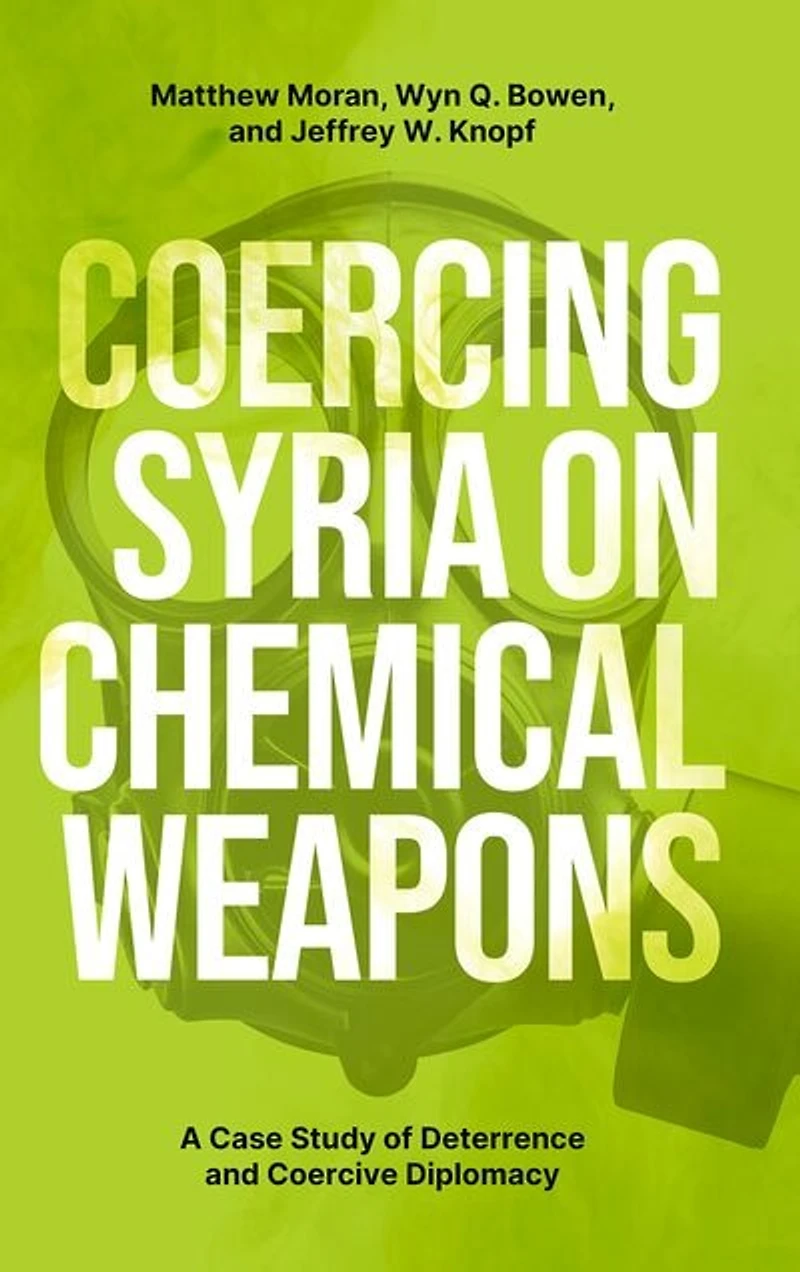

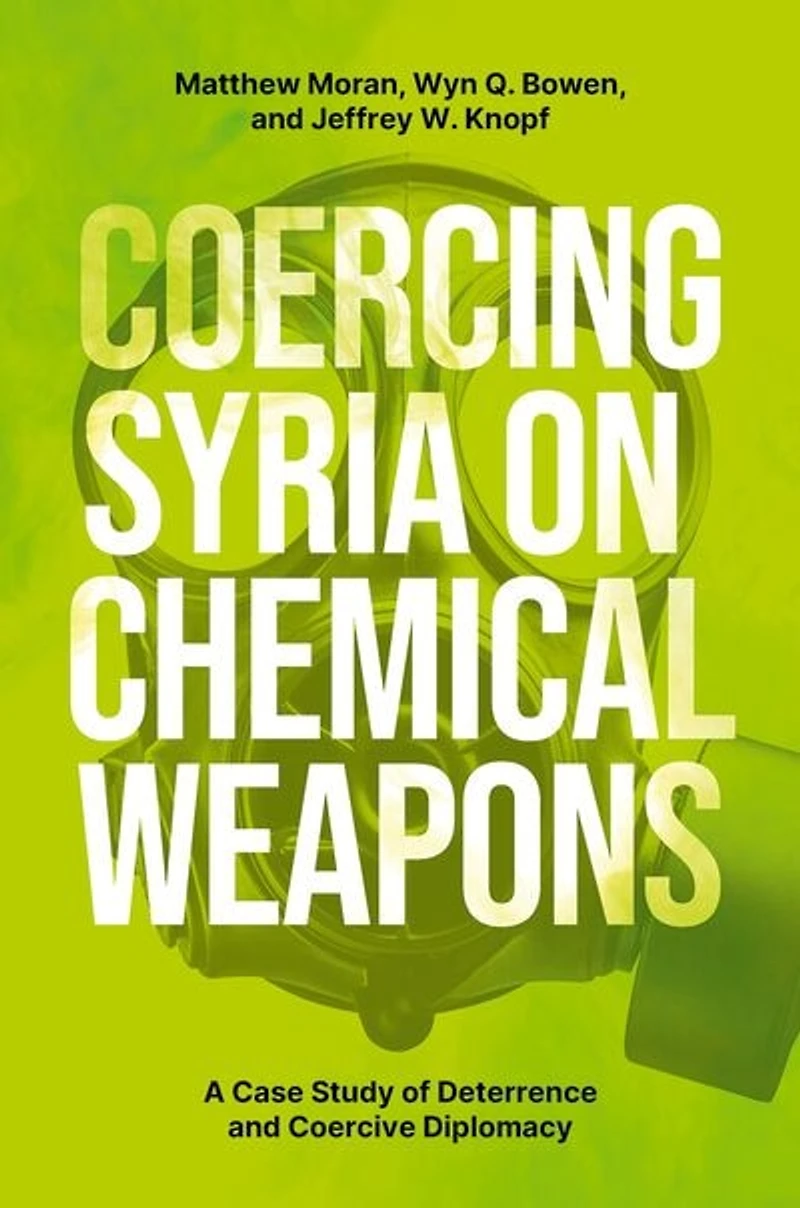
Coercing Syria on Chemical Weapons: A Case Study of Deterrence and Coercive Diplomacy
Current price: $120.90

Coercing Syria on Chemical Weapons: A Case Study of Deterrence and Coercive Diplomacy
Current price: $120.90
Loading Inventory...
Size: Hardcover
*Product information may vary - to confirm product availability, pricing, shipping and return information please contact Indigo
In 2012, US President Barack Obama stated that Syrian government usage of chemical weapons on its population would cross a red line that would require the US government to reconsider its approach to the civil war then underway in Syria. Syria subsequently used such weapons, creating a policy dilemma for the United States about how to respond to Syrian President Bashar al-Assad's violation of the red line. In Coercing Syria on Chemical Weapons , Matthew Moran, Wyn Q. Bowen, and Jeffrey W. Knopf examine efforts by the United States, sometimes acting with France and the United Kingdom, to respond to Syria's possession and use of chemical weapons over the course of its civil war. In particular, they focus on US strategy, covering the presidencies of both Barack Obama and Donald Trump, which relied heavily on coercion involving both deterrent and compellent variants of that strategy. As the authors show, policies directed at the ruling Assad regime in Syria attempted to deter chemical weapons attacks and to compel Syria into giving up its chemical arsenal with mixed outcomes. Drawing on existing literature on deterrence and coercive diplomacy to identify three propositions--involving credibility, motivations, and assurances--the book explains the mixed record of coercive success and failure and examines how effective coercive strategies were at different points and why. Deriving lessons from the most significant attempt in the post-Cold War era to deter use of a weapon of mass destruction, this book offers theoretical and practical lessons for both security studies scholars and policymakers.
In 2012, US President Barack Obama stated that Syrian government usage of chemical weapons on its population would cross a red line that would require the US government to reconsider its approach to the civil war then underway in Syria. Syria subsequently used such weapons, creating a policy dilemma for the United States about how to respond to Syrian President Bashar al-Assad's violation of the red line. In Coercing Syria on Chemical Weapons , Matthew Moran, Wyn Q. Bowen, and Jeffrey W. Knopf examine efforts by the United States, sometimes acting with France and the United Kingdom, to respond to Syria's possession and use of chemical weapons over the course of its civil war. In particular, they focus on US strategy, covering the presidencies of both Barack Obama and Donald Trump, which relied heavily on coercion involving both deterrent and compellent variants of that strategy. As the authors show, policies directed at the ruling Assad regime in Syria attempted to deter chemical weapons attacks and to compel Syria into giving up its chemical arsenal with mixed outcomes. Drawing on existing literature on deterrence and coercive diplomacy to identify three propositions--involving credibility, motivations, and assurances--the book explains the mixed record of coercive success and failure and examines how effective coercive strategies were at different points and why. Deriving lessons from the most significant attempt in the post-Cold War era to deter use of a weapon of mass destruction, this book offers theoretical and practical lessons for both security studies scholars and policymakers.
You May Also Like













More About Indigo at Erin Mills Town Centre
The largest book retailer in Canada also offers toys, music, home décor, gifts and lifestyle products. What's Inside...Books, Magazines, CD’s and DVD’s, Toys and Gifts, Home Accents, Electronics, Baby’s and Children’s Section, Bath and Body, Kitchen and Bedroom, Stationary Located outside in the exterior plaza.
5015 Glen Erin Dr, Mississauga, ON L5M 0R7, Canada
Find Indigo at Erin Mills Town Centre in Mississauga ON
Visit Indigo at Erin Mills Town Centre in Mississauga ON