

GIVE THE PERFECT GIFT
Erin Mills Town Centre Gift Cards are the perfect choice for your gift giving needs.Purchase gift cards at kiosks near the food court or centre court, at Guest Services, or click below to purchase online.PURCHASE HEREHome
Coffee certification in East Africa: impact on farms, families and cooperatives
Indigo
Loading Inventory...
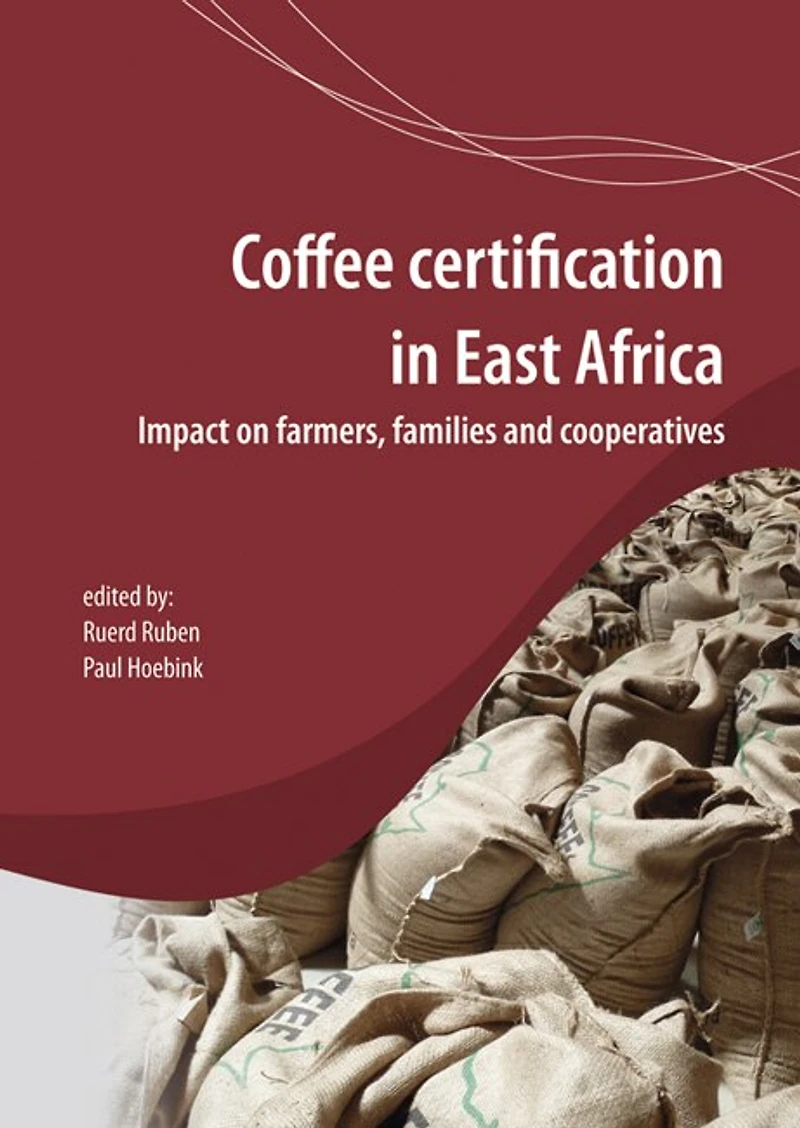
Coffee certification in East Africa: impact on farms, families and cooperatives
Current price: $124.99

Coffee certification in East Africa: impact on farms, families and cooperatives
Current price: $124.99
Loading Inventory...
Size: Paperback
*Product information may vary - to confirm product availability, pricing, shipping and return information please contact Indigo
Certification of coffee producers is frequently suggested as a promising strategy for improving the position of smallholder farmers in the market. After the launch of the first Fairtrade label in 1988, several other standards have been promoted either by voluntary agencies (Utz-certified) or by private coffee companies. Each coffee label relies on different strategies for enhancing sustainable production and responsible trade.
Coffee certification in East Africa is of a rather recent nature but has been rapidly expanding, representing currently 26 percent of the world's sustainable certified coffee supply. Marketing channels, cooperative organisation and household structures show notable differences between Kenya, Uganda and Ethiopia. Empirical studies on the effects of standards for smallholders are scarce.
This book intends to deepen our understanding on the role and functions of coffee certification regimes, based on three innovative approaches: (1) longitudinal field survey data capturing changes in coffee farming systems and effects on household welfare; (2) in-depth interviews and behavioural experiments regarding risk attitudes, trust and investments at cooperative level; and (3) detailed discourse analyses regarding gender roles and female bargaining power within coffee households. The chapters included in this book provide new and original evidence about the impact of coffee certification based on large-scale field surveys and in-depth interviews.
Certification of coffee producers is frequently suggested as a promising strategy for improving the position of smallholder farmers in the market. After the launch of the first Fairtrade label in 1988, several other standards have been promoted either by voluntary agencies (Utz-certified) or by private coffee companies. Each coffee label relies on different strategies for enhancing sustainable production and responsible trade.
Coffee certification in East Africa is of a rather recent nature but has been rapidly expanding, representing currently 26 percent of the world's sustainable certified coffee supply. Marketing channels, cooperative organisation and household structures show notable differences between Kenya, Uganda and Ethiopia. Empirical studies on the effects of standards for smallholders are scarce.
This book intends to deepen our understanding on the role and functions of coffee certification regimes, based on three innovative approaches: (1) longitudinal field survey data capturing changes in coffee farming systems and effects on household welfare; (2) in-depth interviews and behavioural experiments regarding risk attitudes, trust and investments at cooperative level; and (3) detailed discourse analyses regarding gender roles and female bargaining power within coffee households. The chapters included in this book provide new and original evidence about the impact of coffee certification based on large-scale field surveys and in-depth interviews.
You May Also Like







More About Indigo at Erin Mills Town Centre
The largest book retailer in Canada also offers toys, music, home décor, gifts and lifestyle products. What's Inside...Books, Magazines, CD’s and DVD’s, Toys and Gifts, Home Accents, Electronics, Baby’s and Children’s Section, Bath and Body, Kitchen and Bedroom, Stationary Located outside in the exterior plaza.
5015 Glen Erin Dr, Mississauga, ON L5M 0R7, Canada
Find Indigo at Erin Mills Town Centre in Mississauga ON
Visit Indigo at Erin Mills Town Centre in Mississauga ON