

GIVE THE PERFECT GIFT
Erin Mills Town Centre Gift Cards are the perfect choice for your gift giving needs.Purchase gift cards at kiosks near the food court or centre court, at Guest Services, or click below to purchase online.PURCHASE HEREHome
Collaborations: Anthropology a Neoliberal Age
Indigo
Loading Inventory...
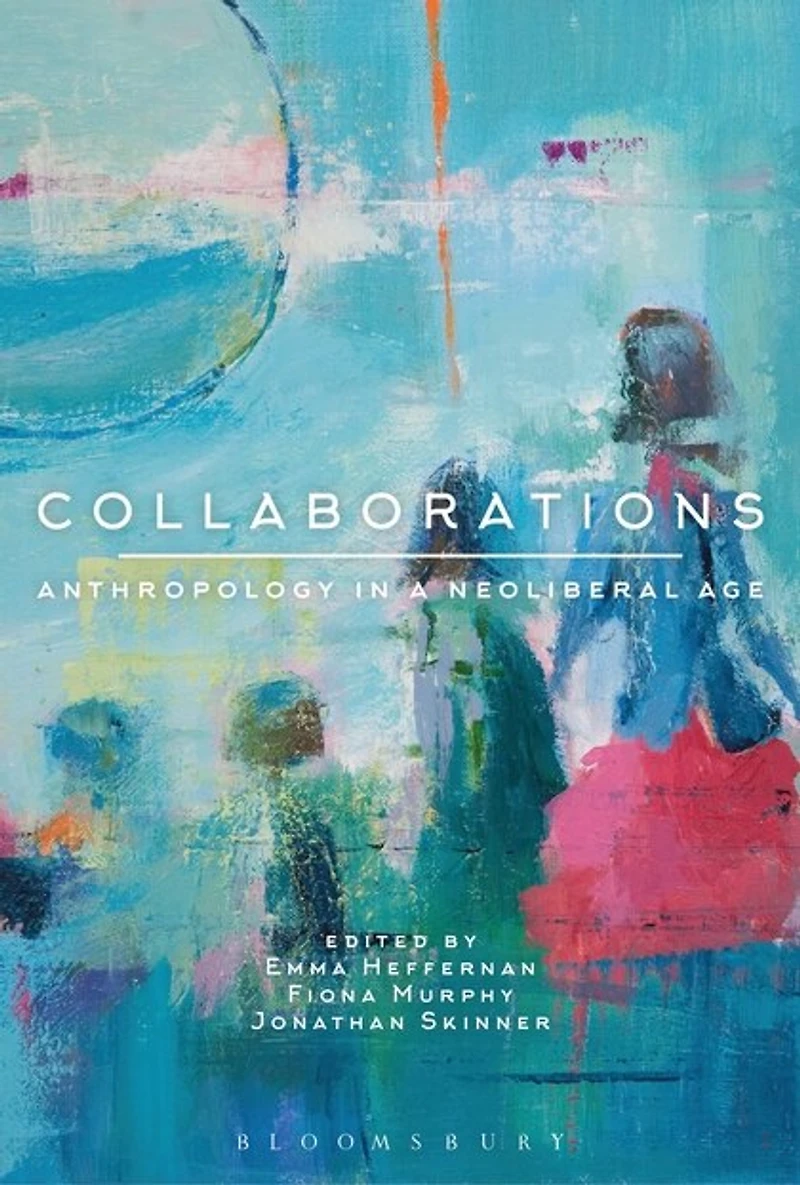
Collaborations: Anthropology a Neoliberal Age
Current price: $244.50

Collaborations: Anthropology a Neoliberal Age
Current price: $244.50
Loading Inventory...
Size: Hardcover
*Product information may vary - to confirm product availability, pricing, shipping and return information please contact Indigo
Collaborations responds to the growing pressure on the humanities and social sciences to justify their impact and utility after cuts in public spending, and the introduction of neoliberal values into academia. Arguing 'in defense of' anthropology, the editors demonstrate the continued importance of the discipline and reveal how it contributes towards solving major problems in contemporary society. They also illustrate how anthropology can not only survive but thrive under these conditions. Moreover, Collaborations shows that collaboration with other disciplines is the key to anthropology's long-term sustainability and survival, and explores the challenges that interdisciplinary work presents. The book is divided into two parts: Anthropology and Academia, and Anthropology in Practice. The first part features examples from anthropologists working in academic settings which range from the life, behavioural and social sciences to the humanities, arts and business. The second part highlights detailed ethnographic contributions on topics such as peace negotiations, asylum seekers, prostitution and autism. Collaborations is an important read for students, scholars and professional and applied anthropologists as it explores how anthropology can remain relevant in the contemporary world and how to prevent it from becoming an increasingly isolated and marginalized discipline.
Collaborations responds to the growing pressure on the humanities and social sciences to justify their impact and utility after cuts in public spending, and the introduction of neoliberal values into academia. Arguing 'in defense of' anthropology, the editors demonstrate the continued importance of the discipline and reveal how it contributes towards solving major problems in contemporary society. They also illustrate how anthropology can not only survive but thrive under these conditions. Moreover, Collaborations shows that collaboration with other disciplines is the key to anthropology's long-term sustainability and survival, and explores the challenges that interdisciplinary work presents. The book is divided into two parts: Anthropology and Academia, and Anthropology in Practice. The first part features examples from anthropologists working in academic settings which range from the life, behavioural and social sciences to the humanities, arts and business. The second part highlights detailed ethnographic contributions on topics such as peace negotiations, asylum seekers, prostitution and autism. Collaborations is an important read for students, scholars and professional and applied anthropologists as it explores how anthropology can remain relevant in the contemporary world and how to prevent it from becoming an increasingly isolated and marginalized discipline.
You May Also Like
















More About Indigo at Erin Mills Town Centre
The largest book retailer in Canada also offers toys, music, home décor, gifts and lifestyle products. What's Inside...Books, Magazines, CD’s and DVD’s, Toys and Gifts, Home Accents, Electronics, Baby’s and Children’s Section, Bath and Body, Kitchen and Bedroom, Stationary Located outside in the exterior plaza.
5015 Glen Erin Dr, Mississauga, ON L5M 0R7, Canada
Find Indigo at Erin Mills Town Centre in Mississauga ON
Visit Indigo at Erin Mills Town Centre in Mississauga ON