

GIVE THE PERFECT GIFT
Erin Mills Town Centre Gift Cards are the perfect choice for your gift giving needs.Purchase gift cards at kiosks near the food court or centre court, at Guest Services, or click below to purchase online.PURCHASE HEREHome
Colonial and Postcolonial Cyprus: Transportal Literatures of Empire, Nationalism, Sectarianism
Indigo
Loading Inventory...
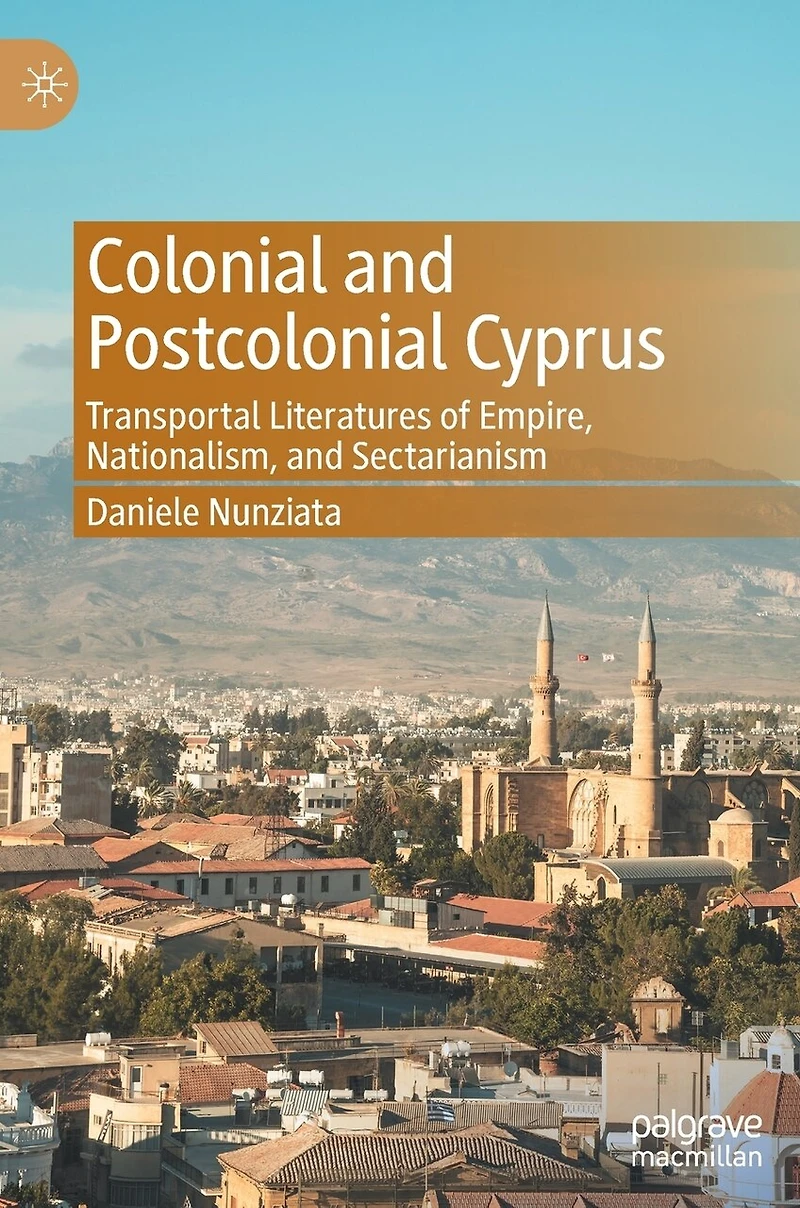
Colonial and Postcolonial Cyprus: Transportal Literatures of Empire, Nationalism, Sectarianism
Current price: $160.95

Colonial and Postcolonial Cyprus: Transportal Literatures of Empire, Nationalism, Sectarianism
Current price: $160.95
Loading Inventory...
Size: Hardcover
*Product information may vary - to confirm product availability, pricing, shipping and return information please contact Indigo
This book analyses colonial and postcolonial writing about Cyprus, before and after its independence from the British Empire in 1960. These works are understood as 'transportal literatures' in that they navigate the liminal and layered forms of colonialism which impede the freedom of the island, including the residues of British imperialism, the impact of Greek and Turkish nationalisms, and the ethnolinguistic border between north and south. This study puts pressure on the postcolonial discipline by evaluating the unique hegemonic relationship Cyprus has with three metropolitan centres, not one. The print languages associated with each centre (English, Greek, and Turkish) are complicit in neo-colonial activity. Contemporary Cypriot writers address this in order to resist sectarian division and grapple with their deferred postcoloniality.
This book analyses colonial and postcolonial writing about Cyprus, before and after its independence from the British Empire in 1960. These works are understood as 'transportal literatures' in that they navigate the liminal and layered forms of colonialism which impede the freedom of the island, including the residues of British imperialism, the impact of Greek and Turkish nationalisms, and the ethnolinguistic border between north and south. This study puts pressure on the postcolonial discipline by evaluating the unique hegemonic relationship Cyprus has with three metropolitan centres, not one. The print languages associated with each centre (English, Greek, and Turkish) are complicit in neo-colonial activity. Contemporary Cypriot writers address this in order to resist sectarian division and grapple with their deferred postcoloniality.
You May Also Like







More About Indigo at Erin Mills Town Centre
The largest book retailer in Canada also offers toys, music, home décor, gifts and lifestyle products. What's Inside...Books, Magazines, CD’s and DVD’s, Toys and Gifts, Home Accents, Electronics, Baby’s and Children’s Section, Bath and Body, Kitchen and Bedroom, Stationary Located outside in the exterior plaza.
5015 Glen Erin Dr, Mississauga, ON L5M 0R7, Canada
Find Indigo at Erin Mills Town Centre in Mississauga ON
Visit Indigo at Erin Mills Town Centre in Mississauga ON