

GIVE THE PERFECT GIFT
Erin Mills Town Centre Gift Cards are the perfect choice for your gift giving needs.Purchase gift cards at kiosks near the food court or centre court, at Guest Services, or click below to purchase online.PURCHASE HEREHome
Colonial Negatives: Picturing History and Identity Morocco
Indigo
Loading Inventory...
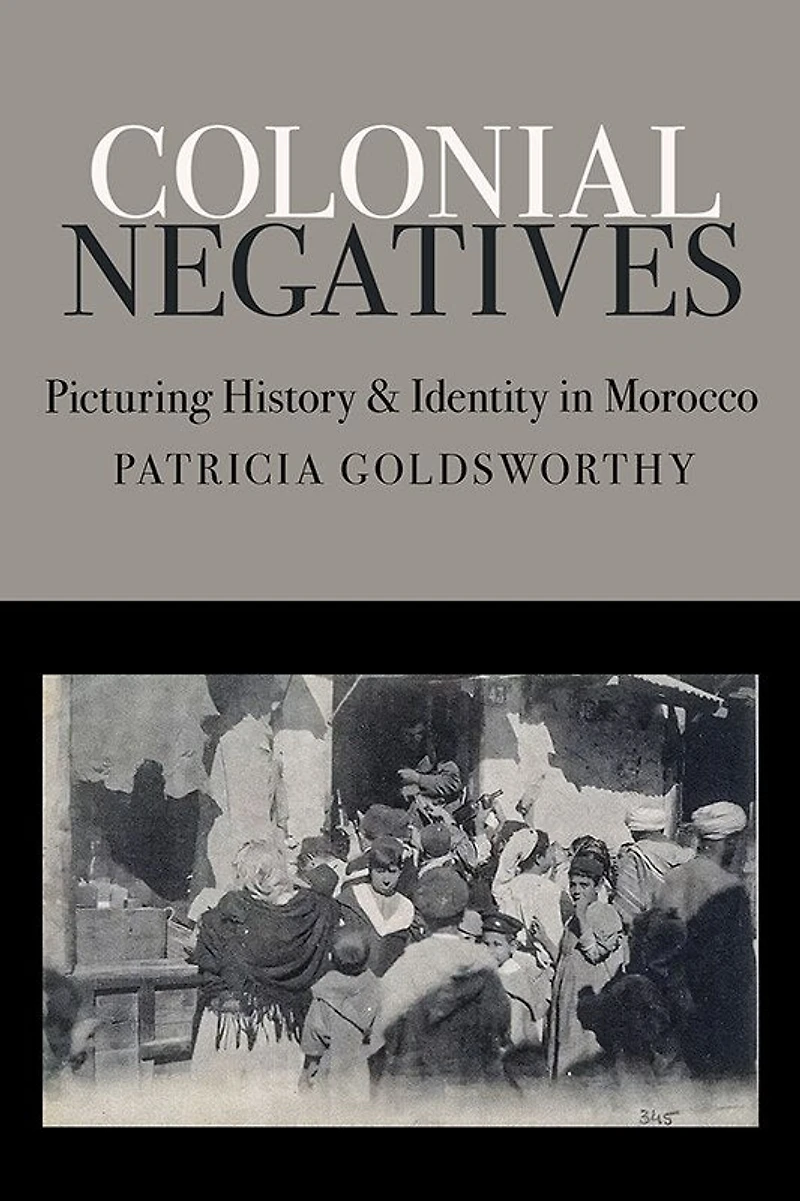
Colonial Negatives: Picturing History and Identity Morocco
Current price: $89.99

Colonial Negatives: Picturing History and Identity Morocco
Current price: $89.99
Loading Inventory...
Size: Hardcover
*Product information may vary - to confirm product availability, pricing, shipping and return information please contact Indigo
In Colonial Negatives **, Patricia Goldsworthy examines the intertwined histories of French, Moroccan Muslim, and Moroccan Jewish photographers in establishing a photography industry in Morocco.** She demonstrates how photography in Morocco became linked to French imperialism when Sultan 'Abd al-'Aziz hired French cinematographer Gabriel Veyre as his private photography instructor. 'Abd al-'Aziz saw photography as a tool of political power and control useful in asserting his authority. For the French, photography was a way to control the international perception of their interventions in Morocco. But throughout the colonial era, photography upheld, questioned, and contradicted stereotypes about Moroccan history and society, shaping debates over conquest and rule. Images of colonial violence demonstrated the oppressive nature of French pacification and were used to oppose colonialism. Moroccan Jews established their own studios and captured images depicting historical events overlooked by European photographers. Colonial Negatives addresses the postindependence reappropriation of colonial imagery and colonial tropes to demonstrate the ongoing role and importance of photography in interpreting and reclaiming Moroccan history.
In Colonial Negatives **, Patricia Goldsworthy examines the intertwined histories of French, Moroccan Muslim, and Moroccan Jewish photographers in establishing a photography industry in Morocco.** She demonstrates how photography in Morocco became linked to French imperialism when Sultan 'Abd al-'Aziz hired French cinematographer Gabriel Veyre as his private photography instructor. 'Abd al-'Aziz saw photography as a tool of political power and control useful in asserting his authority. For the French, photography was a way to control the international perception of their interventions in Morocco. But throughout the colonial era, photography upheld, questioned, and contradicted stereotypes about Moroccan history and society, shaping debates over conquest and rule. Images of colonial violence demonstrated the oppressive nature of French pacification and were used to oppose colonialism. Moroccan Jews established their own studios and captured images depicting historical events overlooked by European photographers. Colonial Negatives addresses the postindependence reappropriation of colonial imagery and colonial tropes to demonstrate the ongoing role and importance of photography in interpreting and reclaiming Moroccan history.
You May Also Like











More About Indigo at Erin Mills Town Centre
The largest book retailer in Canada also offers toys, music, home décor, gifts and lifestyle products. What's Inside...Books, Magazines, CD’s and DVD’s, Toys and Gifts, Home Accents, Electronics, Baby’s and Children’s Section, Bath and Body, Kitchen and Bedroom, Stationary Located outside in the exterior plaza.
5015 Glen Erin Dr, Mississauga, ON L5M 0R7, Canada
Find Indigo at Erin Mills Town Centre in Mississauga ON
Visit Indigo at Erin Mills Town Centre in Mississauga ON