

GIVE THE PERFECT GIFT
Erin Mills Town Centre Gift Cards are the perfect choice for your gift giving needs.Purchase gift cards at kiosks near the food court or centre court, at Guest Services, or click below to purchase online.PURCHASE HEREHome
Combating Online Health Misinformation: A Professional's Guide to Helping the Public
Indigo
Loading Inventory...
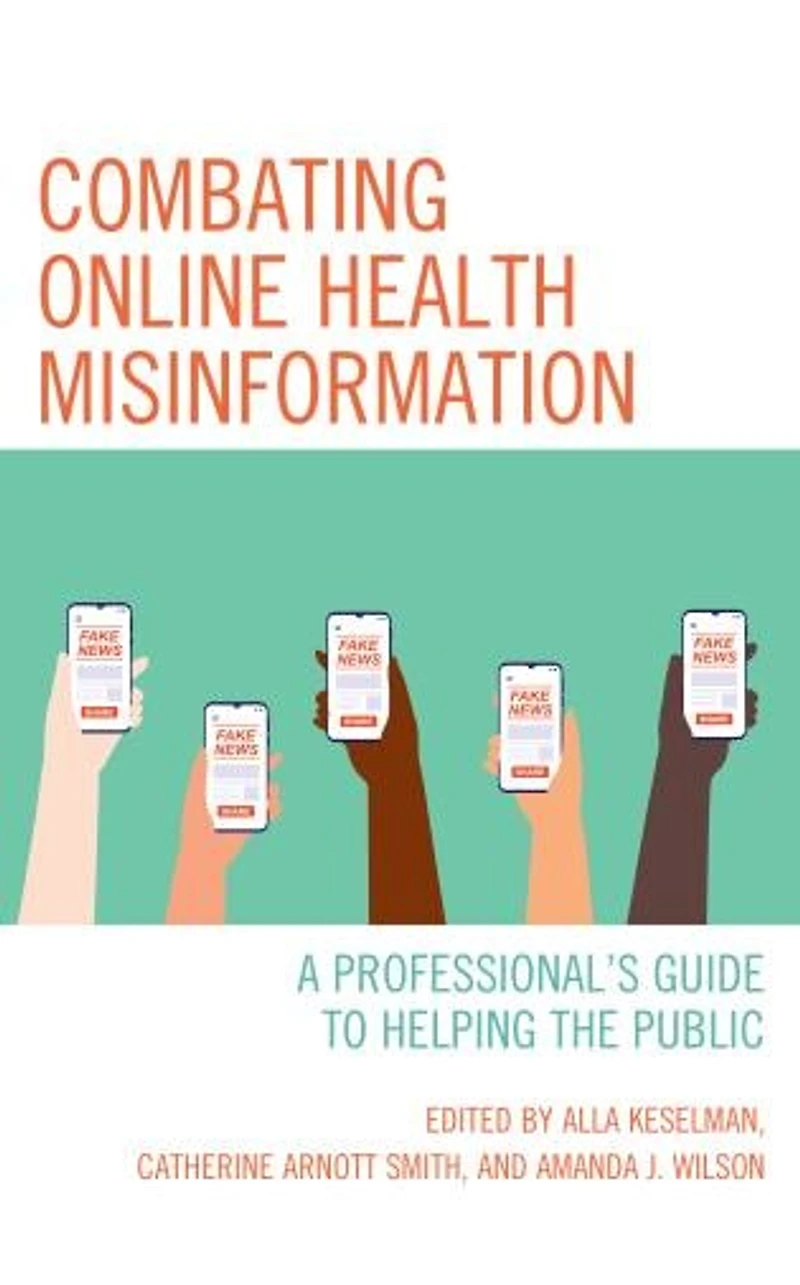
Combating Online Health Misinformation: A Professional's Guide to Helping the Public
Current price: $189.95

Combating Online Health Misinformation: A Professional's Guide to Helping the Public
Current price: $189.95
Loading Inventory...
Size: Hardcover
*Product information may vary - to confirm product availability, pricing, shipping and return information please contact Indigo
Danger of health misinformation online, long a concern of medical and public health professionals, has come to the forefront of societal concerns during the COVID-19 pandemic. Regardless of their motives, creators and sharers of misinformation promote non-evidence-based health advice and treatment recommendations, and often deny health methods, measures, and approaches that are supported by the best evidence of the time. Unfortunately, many infrastructural, social, and cognitive factors make individuals vulnerable to misinformation. This book aims to assist information and health professionals and educators with all phases of information provision and support, from understanding users' information needs, to building relationships, to helping users verify and evaluate sources. The book can be used as a textbook in library and information science programs, as well as nursing, communication, journalism, psychology, and informatics programs. The book, written from the e-health literacy perspective, is unique in its nuanced approach to misinformation. It draws on psychology and information science to explain human susceptibility to misinformation and discusses ways to engage with the public deeply and meaningfully, fostering trust and raising health and information literacy. It is organized into three parts. Part I: The Ecology of Online Health Information' overviews the digital health information universe, showing that misinformation is prevalent, dangerous, and difficult to define. Part II: Susceptibility to Misinformation: Literacies as Safeguards addresses factors and competencies that affect individual vulnerability and resilience. Part III: Solutions focuses on education and community engagement initiatives that help the public locate and evaluate health information. Chapters within the three Parts discuss technological innovation and social media as posing novel risks as well as presenting novel solutions to helping the public connect with high quality information and building trusting relationships among the public and information and health professionals.
Danger of health misinformation online, long a concern of medical and public health professionals, has come to the forefront of societal concerns during the COVID-19 pandemic. Regardless of their motives, creators and sharers of misinformation promote non-evidence-based health advice and treatment recommendations, and often deny health methods, measures, and approaches that are supported by the best evidence of the time. Unfortunately, many infrastructural, social, and cognitive factors make individuals vulnerable to misinformation. This book aims to assist information and health professionals and educators with all phases of information provision and support, from understanding users' information needs, to building relationships, to helping users verify and evaluate sources. The book can be used as a textbook in library and information science programs, as well as nursing, communication, journalism, psychology, and informatics programs. The book, written from the e-health literacy perspective, is unique in its nuanced approach to misinformation. It draws on psychology and information science to explain human susceptibility to misinformation and discusses ways to engage with the public deeply and meaningfully, fostering trust and raising health and information literacy. It is organized into three parts. Part I: The Ecology of Online Health Information' overviews the digital health information universe, showing that misinformation is prevalent, dangerous, and difficult to define. Part II: Susceptibility to Misinformation: Literacies as Safeguards addresses factors and competencies that affect individual vulnerability and resilience. Part III: Solutions focuses on education and community engagement initiatives that help the public locate and evaluate health information. Chapters within the three Parts discuss technological innovation and social media as posing novel risks as well as presenting novel solutions to helping the public connect with high quality information and building trusting relationships among the public and information and health professionals.
You May Also Like








More About Indigo at Erin Mills Town Centre
The largest book retailer in Canada also offers toys, music, home décor, gifts and lifestyle products. What's Inside...Books, Magazines, CD’s and DVD’s, Toys and Gifts, Home Accents, Electronics, Baby’s and Children’s Section, Bath and Body, Kitchen and Bedroom, Stationary Located outside in the exterior plaza.
5015 Glen Erin Dr, Mississauga, ON L5M 0R7, Canada
Find Indigo at Erin Mills Town Centre in Mississauga ON
Visit Indigo at Erin Mills Town Centre in Mississauga ON