

GIVE THE PERFECT GIFT
Erin Mills Town Centre Gift Cards are the perfect choice for your gift giving needs.Purchase gift cards at kiosks near the food court or centre court, at Guest Services, or click below to purchase online.PURCHASE HEREHome
Commanding Petty Despots: the American Navy New Republic
Indigo
Loading Inventory...
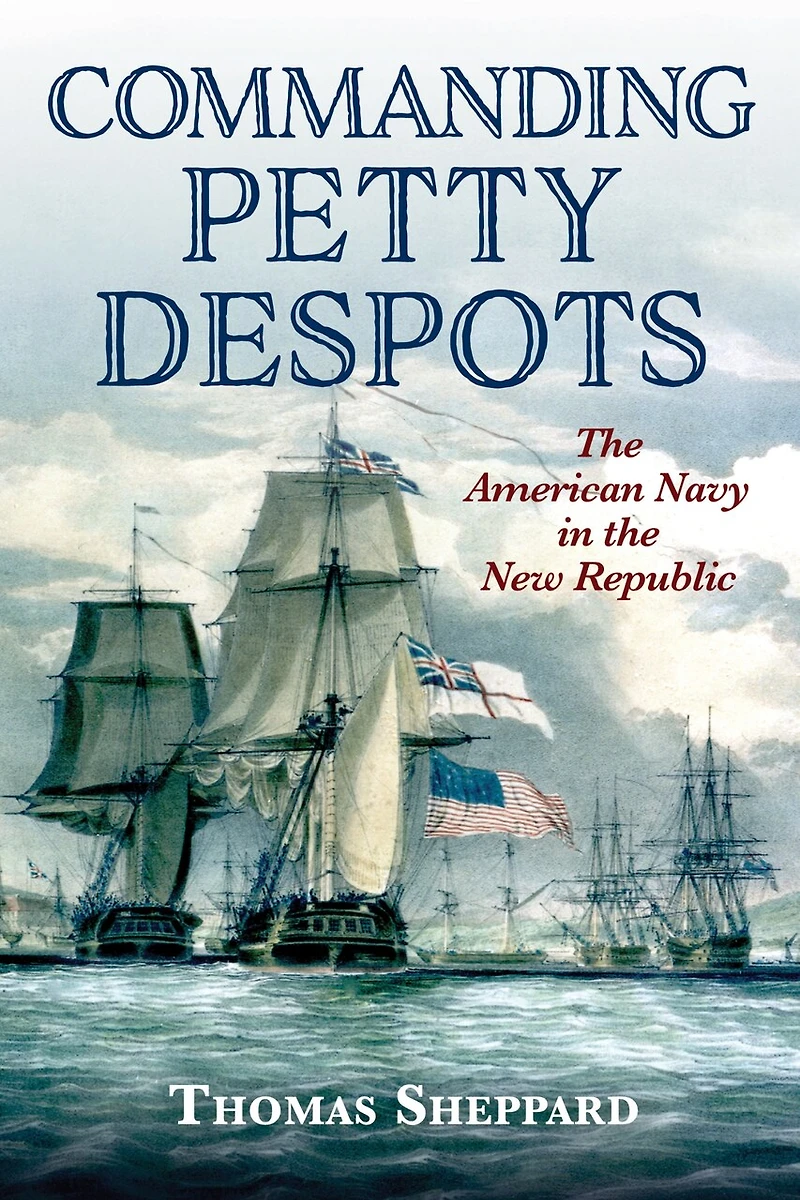

Commanding Petty Despots: the American Navy New Republic
Current price: $69.50

Commanding Petty Despots: the American Navy New Republic
Current price: $69.50
Loading Inventory...
Size: Hardcover
*Product information may vary - to confirm product availability, pricing, shipping and return information please contact Indigo
Winner of the John Lyman Book Award in the category of “U.S. Naval History.”
Commanding Petty Despots: The American Navy in the New Republic tells the story of the creation of the American Navy. Rather than focus on the well-known frigate duels and fleet engagements, Thomas Sheppard emphasizes the overlooked story of the institutional formation of the Navy. Sheppard looks at civilian control of the military, and how this concept evolved in the early American republic. For naval officers obsessed with honor and reputation, being willing to put themselves in harm's way was never a problem, but they were far less enthusiastic about taking orders from a civilian Secretary of the Navy. Accustomed to giving orders and receiving absolute obedience at sea, captains were quick to engage in blatantly insubordinate behavior towards their superiors in Washington. The civilian government did not always discourage such thinking. The new American nation needed leaders who were zealous for their honor and quick to engage in heroic acts on behalf of their nation. The most troublesome officers could also be the most effective during the Revolution and the Quasi and Barbary Wars. First Secretary of the Navy Benjamin Stoddert tolerated insubordination from “spirited“ officers who secured respect for the American republic from European powers. However, by the end of the War of 1812, the culture of the Navy's officer corps had grown considerably when it came to civil-military strains. A new generation of naval officers, far more attuned to duty and subordination, had risen to prominence, and Stoddert's successors increasingly demanded recognition of civilian supremacy from the officer corps. Although the creation of the Board of Navy Commissioners in 1815 gave the officer corps a greater role in managing the Navy, by that time the authority of the Secretary of the Navy--as an extension of the president--was firmly entrenched.
Winner of the John Lyman Book Award in the category of “U.S. Naval History.”
Commanding Petty Despots: The American Navy in the New Republic tells the story of the creation of the American Navy. Rather than focus on the well-known frigate duels and fleet engagements, Thomas Sheppard emphasizes the overlooked story of the institutional formation of the Navy. Sheppard looks at civilian control of the military, and how this concept evolved in the early American republic. For naval officers obsessed with honor and reputation, being willing to put themselves in harm's way was never a problem, but they were far less enthusiastic about taking orders from a civilian Secretary of the Navy. Accustomed to giving orders and receiving absolute obedience at sea, captains were quick to engage in blatantly insubordinate behavior towards their superiors in Washington. The civilian government did not always discourage such thinking. The new American nation needed leaders who were zealous for their honor and quick to engage in heroic acts on behalf of their nation. The most troublesome officers could also be the most effective during the Revolution and the Quasi and Barbary Wars. First Secretary of the Navy Benjamin Stoddert tolerated insubordination from “spirited“ officers who secured respect for the American republic from European powers. However, by the end of the War of 1812, the culture of the Navy's officer corps had grown considerably when it came to civil-military strains. A new generation of naval officers, far more attuned to duty and subordination, had risen to prominence, and Stoddert's successors increasingly demanded recognition of civilian supremacy from the officer corps. Although the creation of the Board of Navy Commissioners in 1815 gave the officer corps a greater role in managing the Navy, by that time the authority of the Secretary of the Navy--as an extension of the president--was firmly entrenched.
You May Also Like

















More About Indigo at Erin Mills Town Centre
The largest book retailer in Canada also offers toys, music, home décor, gifts and lifestyle products. What's Inside...Books, Magazines, CD’s and DVD’s, Toys and Gifts, Home Accents, Electronics, Baby’s and Children’s Section, Bath and Body, Kitchen and Bedroom, Stationary Located outside in the exterior plaza.
5015 Glen Erin Dr, Mississauga, ON L5M 0R7, Canada
Find Indigo at Erin Mills Town Centre in Mississauga ON
Visit Indigo at Erin Mills Town Centre in Mississauga ON