

GIVE THE PERFECT GIFT
Erin Mills Town Centre Gift Cards are the perfect choice for your gift giving needs.Purchase gift cards at kiosks near the food court or centre court, at Guest Services, or click below to purchase online.PURCHASE HEREHome
Commerce, Citizenship, and Identity in Legal History
Indigo
Loading Inventory...
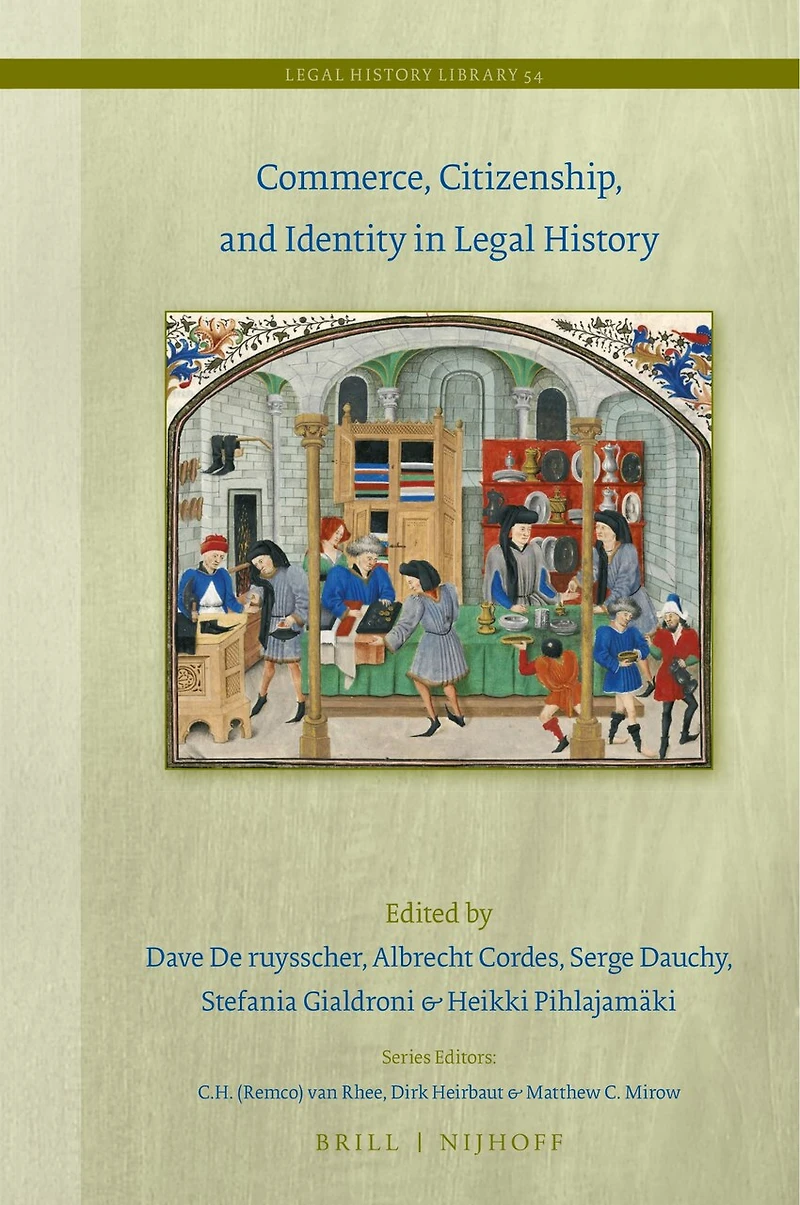
Commerce, Citizenship, and Identity in Legal History
Current price: $171.99

Commerce, Citizenship, and Identity in Legal History
Current price: $171.99
Loading Inventory...
Size: Hardcover
*Product information may vary - to confirm product availability, pricing, shipping and return information please contact Indigo
Legal historians have analysed the characteristics of merchant guilds and nationes (i.e., associations of foreign merchants), as well as the political clout of merchants, including foreign ones. However, how the legal status of citizens related to the merchant class and how its contents were influenced by trade remains largely unclear. Did governments have a policy of citizenship that was tailored to commercial interests? Were foreign merchants belonging to a separate legal category of resident? If so, what defined this category? To what extent could different types of legal status and membership of communities or guilds overlap? And how did all this affect merchants’ identities, their self-images of belonging? This collection of essays provides anwers to these questions.
Contributors are: Sonja Breustedt, Pieter De Reu, Gijs Dreijer, Maurits den Hollander, Marco In’t Veld, Marta Lupi, Manon Moerman, Remko Mooi, Patrick Naaktgeboren, and Joost Possemiers.
Legal historians have analysed the characteristics of merchant guilds and nationes (i.e., associations of foreign merchants), as well as the political clout of merchants, including foreign ones. However, how the legal status of citizens related to the merchant class and how its contents were influenced by trade remains largely unclear. Did governments have a policy of citizenship that was tailored to commercial interests? Were foreign merchants belonging to a separate legal category of resident? If so, what defined this category? To what extent could different types of legal status and membership of communities or guilds overlap? And how did all this affect merchants’ identities, their self-images of belonging? This collection of essays provides anwers to these questions.
Contributors are: Sonja Breustedt, Pieter De Reu, Gijs Dreijer, Maurits den Hollander, Marco In’t Veld, Marta Lupi, Manon Moerman, Remko Mooi, Patrick Naaktgeboren, and Joost Possemiers.
You May Also Like








More About Indigo at Erin Mills Town Centre
The largest book retailer in Canada also offers toys, music, home décor, gifts and lifestyle products. What's Inside...Books, Magazines, CD’s and DVD’s, Toys and Gifts, Home Accents, Electronics, Baby’s and Children’s Section, Bath and Body, Kitchen and Bedroom, Stationary Located outside in the exterior plaza.
5015 Glen Erin Dr, Mississauga, ON L5M 0R7, Canada
Find Indigo at Erin Mills Town Centre in Mississauga ON
Visit Indigo at Erin Mills Town Centre in Mississauga ON