

GIVE THE PERFECT GIFT
Erin Mills Town Centre Gift Cards are the perfect choice for your gift giving needs.Purchase gift cards at kiosks near the food court or centre court, at Guest Services, or click below to purchase online.PURCHASE HEREHome
Commerce, Economy, and Trade Networks in Ancient Rome
Indigo
Loading Inventory...
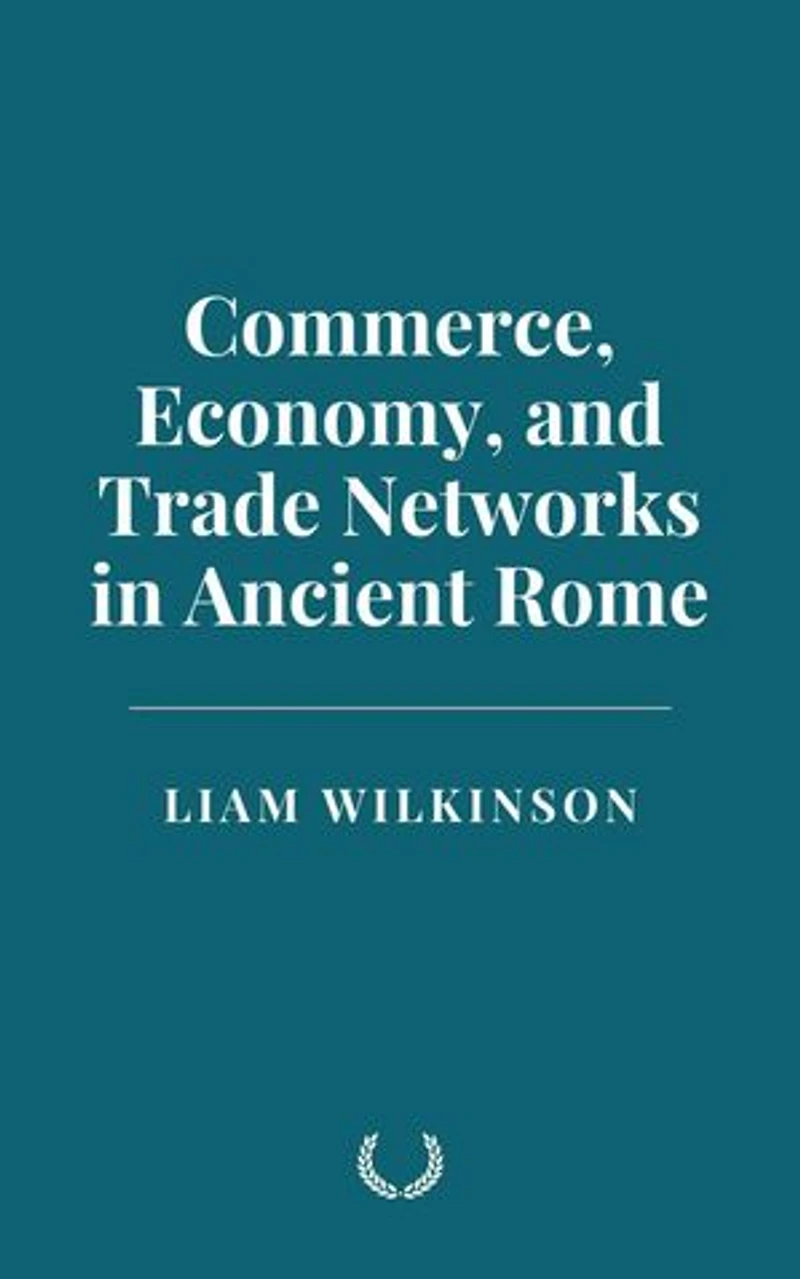
Commerce, Economy, and Trade Networks in Ancient Rome
Current price: $4.99

Commerce, Economy, and Trade Networks in Ancient Rome
Current price: $4.99
Loading Inventory...
Size: Kobo eBook
*Product information may vary - to confirm product availability, pricing, shipping and return information please contact Indigo
This book explores the intricate economic systems of the Roman Empire, delving into the political, social, and economic frameworks that enabled one of history's greatest empires to thrive for centuries. Through an examination of trade networks, agricultural practices, military logistics, and financial systems, the text highlights how Rome's vast empire facilitated the flow of goods, capital, and labor across diverse regions. Beginning with the origins of Roman economic organization, the book traces the evolution of economic thought, the role of infrastructure and public works, and the complex relationship between wealth and power in Roman society.
The narrative also explores the economic implications of Roman law, focusing on the influence of Roman legal concepts on medieval and modern economic systems. It examines how Roman practices, such as coinage, taxation, and the management of resources, laid the groundwork for later economic developments. The book further investigates the impact of Christianity on the Roman economy, particularly its reorganization of wealth, charity, and the state's role in economic life.
This book explores the intricate economic systems of the Roman Empire, delving into the political, social, and economic frameworks that enabled one of history's greatest empires to thrive for centuries. Through an examination of trade networks, agricultural practices, military logistics, and financial systems, the text highlights how Rome's vast empire facilitated the flow of goods, capital, and labor across diverse regions. Beginning with the origins of Roman economic organization, the book traces the evolution of economic thought, the role of infrastructure and public works, and the complex relationship between wealth and power in Roman society.
The narrative also explores the economic implications of Roman law, focusing on the influence of Roman legal concepts on medieval and modern economic systems. It examines how Roman practices, such as coinage, taxation, and the management of resources, laid the groundwork for later economic developments. The book further investigates the impact of Christianity on the Roman economy, particularly its reorganization of wealth, charity, and the state's role in economic life.
You May Also Like








More About Indigo at Erin Mills Town Centre
The largest book retailer in Canada also offers toys, music, home décor, gifts and lifestyle products. What's Inside...Books, Magazines, CD’s and DVD’s, Toys and Gifts, Home Accents, Electronics, Baby’s and Children’s Section, Bath and Body, Kitchen and Bedroom, Stationary Located outside in the exterior plaza.
5015 Glen Erin Dr, Mississauga, ON L5M 0R7, Canada
Find Indigo at Erin Mills Town Centre in Mississauga ON
Visit Indigo at Erin Mills Town Centre in Mississauga ON